What is Orbro LLC Charge on Credit Card?

An Orbro LLC charge on credit card statements deserves a closer look, especially if you have no record of buying a service from that name. Unfamiliar card descriptors are sometimes harmless, but this one has a specific warning from the former company.
The Michigan-based Orbro LLC says on its official website that it stopped processing cards in 2014. Here is how to check whether your entry is a mistaken name, another entity, or an unauthorized charge.
What Is an Orbro LLC Charge on Credit Card?
Orbro LLC was a Michigan web and internet-services business. Its published company notice states that it closed for new business in 2014, wound down by 2020, and has not processed credit card transactions since 2014.
The business specifically says that people asking about phantom Orbro charges should dispute them because the old company did not make those payments. This is unusual and directly relevant information from the business itself.
However, that notice does not identify who submitted your particular transaction. There may be similarly named organizations or a mislabeled merchant record, so confirm the payment details with your credit card issuer.
Why Could Orbro LLC Appear on Your Statement?
A payment might come from an unrelated business that uses a similar name. Card networks and processors can shorten descriptors, and a familiar-looking name may not identify the legal seller.
Your statement may display a merchant description that was entered incorrectly by a processor or payment system. Your issuing bank can sometimes view details that are not shown in your mobile transaction list.
An unauthorized online payment is another possibility if nobody recognizes the purchase. You should not claim a particular fraud scheme without evidence, but you should take an unrecognized posted charge seriously.
Do not rely on online directories listing an old Orbro phone number or address. The company’s official notice explicitly says third-party directory information about its Michigan business is not current.
If you have an old receipt from a different company called Orbro, compare the full registered name and merchant location before drawing a conclusion. Similar names do not mean shared ownership.
Verify the Merchant Before Taking Action
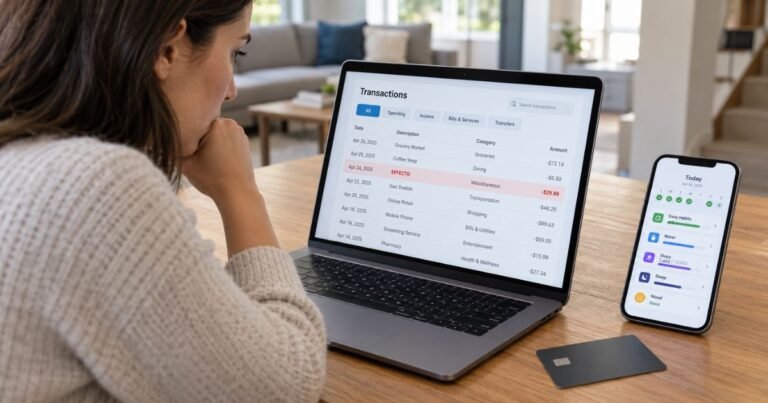
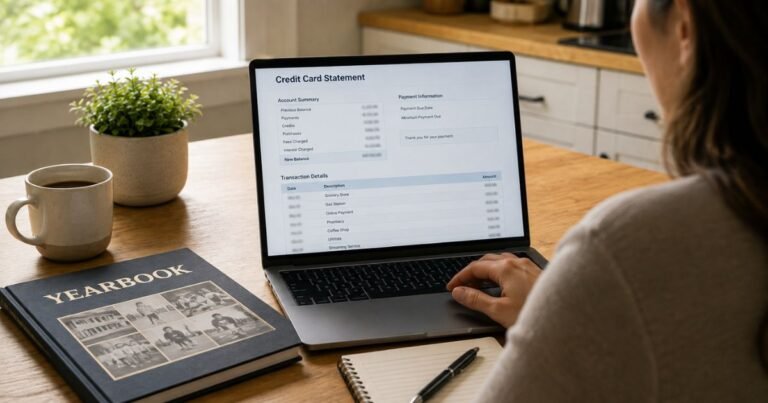
Copy the exact line from your card app, including any punctuation, city, or numeric suffix. Note the amount, date, and whether it has actually posted rather than remaining pending.
Search your email and payment apps for matching amounts and old online-service invoices. Check whether a family member or authorized user remembers placing the order.
Use the number printed on your card to ask the issuer for the full merchant record. Specifically mention that the old Michigan Orbro LLC publicly states it does not currently process cards.
Ask if the issuer can identify a business website, legal merchant name, or processor for this specific transaction. If it cannot, ask which investigation or dispute route is appropriate.
Do not send full card numbers to unfamiliar websites that promise to find the merchant. Your issuer already has the transaction information needed to begin a review.
Should You Contact Orbro LLC?
The former Michigan company says it has no relationship to phantom card charges and cannot assist with them. That makes its published notice useful evidence, but it does not make its old contact details an effective dispute channel.
Start with your credit card company if the transaction is unrecognized. Your bank can identify the merchant of record and handle an unauthorized-use investigation.
If you identify a different active business with a similar name, use contact details confirmed from that business’s own official website. Do not assume that a third-party directory entry belongs to the merchant on your statement.
Save a screenshot of the official company closure statement and your own account records. You can provide this context to your card issuer without exposing sensitive account details.
If you previously bought legitimate online services, verify whether another provider took over the account or billing relationship. Treat any such explanation as a hypothesis until you have an invoice.
Can You Stop Future Orbro Charges?
You usually cannot cancel a payment simply by deleting an email or blocking a website. First determine whether you signed up for a recurring service through an identifiable merchant.
If a real merchant is confirmed, request cancellation through its verified account or support channel and keep proof. Ask when future billing will stop, and do not assume canceling automatically refunds the last payment.
If the merchant remains unknown or the charge is unauthorized, ask your issuer about blocking merchant payments, a replacement card, and further safeguards. Different card networks handle recurring payment tokens differently.
Continue watching subsequent statements after any card replacement. If unexplained charges recur, give the issuer the new transaction details and the earlier case number.
What to Do if You Did Not Authorize the Charge
If you are confident you did not approve the transaction, use the number on the back of your card or the secure banking app. Ask the issuer to review the merchant record, block further unauthorized use, and explain whether replacing the card is necessary.
Describe what you checked, including receipts, family purchases, account histories, and payment apps. Give the exact descriptor, amount, posting date, and transaction reference if your bank displays one.
Ask how to file a dispute and keep the case number. A phone call may start the process, but written notice can also be important to preserve federal credit card billing-error rights.
For many credit card billing errors, the Consumer Financial Protection Bureau says you must send written notice within 60 calendar days after the issuer sends the statement containing the first error. Follow the address and instructions on your own statement, because your payment address may be different.
A chargeback is not a guaranteed refund, and filing a dispute does not automatically cancel a merchant subscription. Tell the issuer about any recurring charges and separately cancel a service you actually agreed to buy when appropriate.
If your physical card is missing, you find multiple unexplained payments, or an unknown person has account access, contact the issuer immediately. You can also change relevant account passwords and review recent authorized-user activity.
Pending Transactions, Duplicate Entries, and Refund Timing
An authorization can appear as pending before the final transaction posts. Restaurants, online merchants, and other businesses sometimes authorize an amount first and settle it later, so the pending and posted descriptions may look different.
If you see two entries, inspect their status before treating them as two completed payments. One may be a temporary hold that later disappears, but two posted transactions require closer review.
A refund or merchant correction may appear as a separate credit rather than removing the original purchase. Keep confirmation emails and check the next statement if you were promised a credit.
Your card issuer can explain whether a line is pending, posted, reversed, or disputed. Do not assume a merchant’s processing time or refund policy is the same for every transaction.
Ways to Reduce Future Statement Surprises
Turn on transaction alerts in your banking app if your issuer offers them. You may receive a notice shortly after a card payment, helping you connect unfamiliar merchant wording with a purchase you still remember.
Save digital receipts in a searchable email folder and name reminders for annual renewals. A receipt that includes the seller’s legal billing name can be more useful than a product name alone.
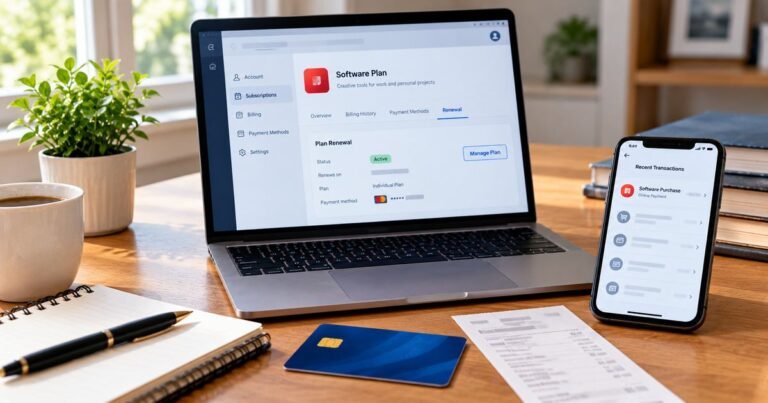
Check recurring payments through the website where you signed up, plus Apple, Google Play, PayPal, or another payment service if relevant. Removing a card from a digital wallet does not always cancel the underlying subscription.
Review authorized users and household purchases before declaring a transaction fraudulent. If the charge is still unexplained, report it rather than waiting for further payments.
FAQs On Orbro LLC
Q: Is Orbro LLC still processing credit card payments?
A: The Michigan business says on its official website that it has not processed card payments since 2014. A current charge under that name needs further investigation.
Q: Does an Orbro LLC charge prove fraud?
A: No. A charge may reflect a different entity or a descriptor error. You should get the merchant’s full identification from your issuer.
Q: Can the former Orbro business refund my charge?
A: It says it has no connection to phantom charges. Follow your credit card issuer’s dispute instructions instead of assuming the old company can reverse a payment.
Q: What should I send when disputing an Orbro LLC charge?
A: Provide the transaction date, amount, exact statement description, why you do not recognize it, and relevant supporting records. Never email your full card number.
Official references: Orbro LLC closure notice and CFPB credit-card dispute guidance.
To learn the difference between a confusing merchant descriptor and a credit card issuer fee, see our credit card charges guide.
Conclusion
Orbro LLC charge on credit card entries should be checked against the actual merchant record, not identified by a short label alone. The old Michigan firm’s public notice makes an unexplained current charge worth checking promptly.
Start with your receipts and account history, then ask the merchant or card issuer for help if the amount remains unexplained. Act quickly if you believe someone used your card without permission.
Disclaimer: This article is for general information only, not financial or legal advice. Issuer rules and merchant policies vary, so verify account-specific questions with the company or your bank.