What is JRC Shinkansen Charge on Credit Card?

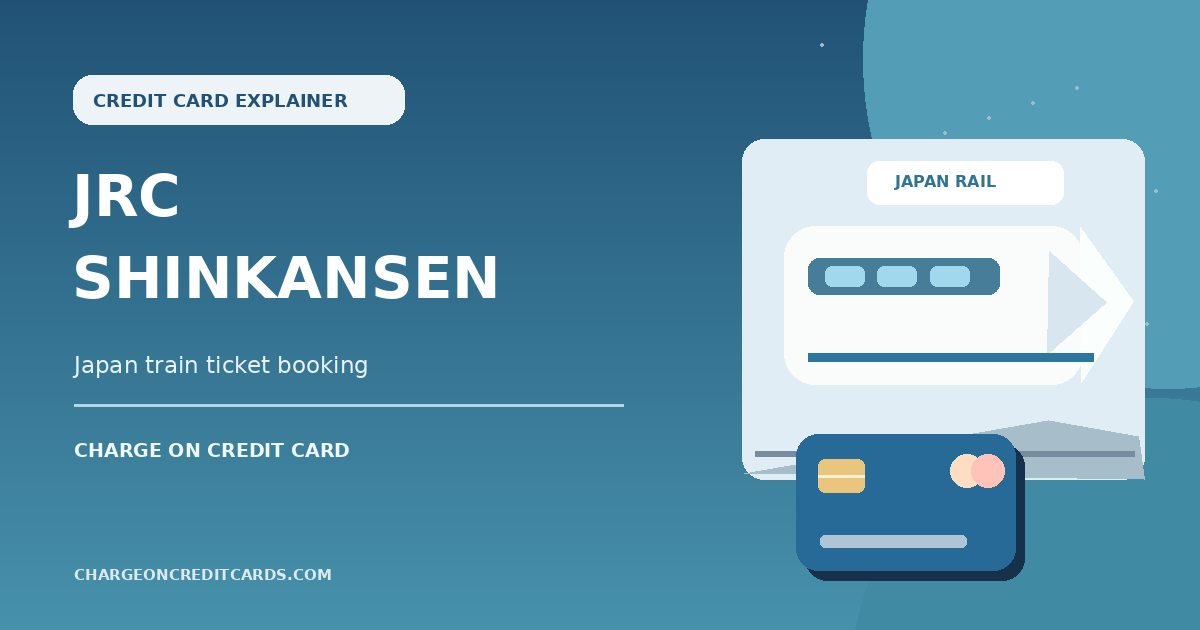
A JRC Shinkansen charge on your credit card commonly relates to a bullet train reservation in Japan. JRC can refer to JR Central, which operates the Tokaido Shinkansen, while the statement may show the service rather than the route you booked.
Japan’s Smart EX booking system charges a registered payment card when a ticket is purchased. This guide explains how to find the reservation, check a changed or canceled ticket, understand yen conversion, and investigate an unfamiliar debit.
What Is JRC Shinkansen Charge on Credit Card?
JRC Shinkansen is a card descriptor consistent with a reservation for Japan’s Shinkansen high-speed rail network through services associated with JR Central. A common booking option is Smart EX.
Smart EX lets travelers reserve journeys on Tokaido, Sanyo, and Kyushu Shinkansen services using a registered credit card. Its official site says the card is charged when a reservation is purchased.
The date a payment posts may differ from the travel date. A ticket might be bought weeks before departure and later changed or refunded under the relevant fare conditions.
Even if you traveled to Japan recently, do not assume the descriptor automatically identifies your own booking. Match the amount, date, reservation number, card, and payment provider.
Why a Japanese Train Payment Can Look Unfamiliar
JR Central is a Japanese railway company and Smart EX is a booking service, so a foreign card issuer might display an abbreviated railway merchant instead of a familiar travel agent name.
You may have reserved a ticket on a route such as Tokyo to Nagoya, Kyoto, or Osaka. A journey can be paid in yen using a card issued outside Japan, depending on accepted card and bank terms.
Travelers may register a transportation IC card for ticketless station access. The actual Shinkansen fare is still charged to the registered credit card, not deducted from the IC card’s stored balance.
Another authorized cardholder may have booked train tickets for a trip or purchased several tickets together. Check the booking count and traveler details rather than guessing the cost of one seat.
If the payment location or date does not match any authorized travel plans, request the issuer’s full merchant information and report the charge if necessary.
How to Find a Smart EX Ticket Receipt
Open the official Smart EX account used for the reservation and review your booking history. Look for the journey date, departure and arrival stations, seat type, and amount.
Search email for Smart EX, Shinkansen, EX reservation, booking confirmation, and the date when the card was charged. A receipt may use yen rather than dollars.
Smart EX confirms payment at booking, so a ticket purchased for a later departure may appear earlier on the card statement. Do not compare only the train travel date.
Check the number of passengers and whether the ticket was for a reserved or non-reserved seat. Several travelers on one booking can produce a higher amount than a single fare estimate.
If you booked through a separate travel seller or agent, review that platform’s receipt as well. Not every Shinkansen ticket is billed directly through Smart EX.
Changes, Cancellations, and Card Authorizations
Smart EX supports reservation changes and refunds under its published rules and product restrictions. Review the conditions of your particular fare instead of assuming every ticket can be changed without cost.
A change can create temporary payment activity or a refund and new debit while the system updates the booking. Keep the original and modified reservation confirmations to reconcile the bank statement.
The official Smart EX guidance notes that some debit and prepaid card transactions can involve temporary duplicate-looking withdrawals during changes or refund processing. Payment behavior varies with card type.
A canceled trip is not always refunded immediately to the same calendar-date view in your card app. Watch for a separate credit and ask the issuer about international refund timing.
If the operator cannot find a booking, request the card issuer’s merchant reference. A completed charge with no authorized itinerary deserves further investigation.
Foreign Currency Fees and Exchange Rates
Japanese train fares are usually displayed in Japanese yen. A US credit card may convert the amount into dollars using the network and bank’s exchange rate.
Some card issuers add a foreign transaction fee. That issuer fee is different from the train fare and may appear as a separate statement entry.
The converted amount can differ slightly from the amount you estimated at checkout because exchange rates and processing dates may vary. Compare the posted original-currency amount where the issuer provides it.
Review your card’s international purchase terms before disputing an exchange-rate difference. Ask whether the original merchant amount, conversion rate, or fee explains the total.
If the charge has a repeated or unfamiliar travel descriptor and you never booked a trip, report the posted debit promptly instead of assuming international processing automatically explains it.
Check the Full Card Entry and Receipts
Open the transaction through the issuer’s secure app or website and copy its complete descriptor, amount, date, and any business location. A shortened merchant name can come from a payment processor, parent company, or legal business you did not see prominently at checkout.
Search the inbox and payment accounts you control for the exact amount and approximate date. Check the original order or service receipt, including tax, booking details, and the last four card digits if available.
Ask authorized card users whether they recognize the payment. A family or business cardholder may have approved an order while the primary cardholder is unfamiliar with its legal billing name.
Check whether the entry is pending or posted. A pending authorization can disappear or be replaced by a settled debit, and the amount can change before it posts. Two apparent lines do not automatically mean two completed payments.
If the description remains unclear, ask your issuer for the merchant of record, transaction method, business country, and available reference numbers. Those details are stronger evidence than a guess based solely on a search result.
What to Do When a Card Payment Is Unauthorized
If nobody approved the posted payment, contact the issuer promptly using the number on your card or its verified banking app. Report the transaction and ask what card-security steps the bank recommends.
For many credit-card billing errors, the Consumer Financial Protection Bureau explains that you must send written notice within 60 calendar days after the statement containing the error was sent. Follow the designated billing-error address rather than an ordinary payment address.
Keep the merchant’s response, your receipt, any cancellation or refund confirmation, and the bank’s dispute case number. A chargeback is an investigation and is not a guaranteed refund.
If you approved a purchase but disagree with the amount, ask the verified merchant for an itemized explanation before describing it as stolen-card use. An incorrect invoice and an unauthorized transaction call for different facts.
Ask the bank whether a temporary card lock, new account number, or password change is appropriate when it suspects misuse. Do not send your full card number or one-time bank codes to an unfamiliar support site.
Refunds, Renewals, and Safer Payments
A refund may appear as a separate credit rather than deleting the original charge. Keep the confirmation and check the final posted account balance instead of relying on a support email alone.
A repeated descriptor can represent a recurring service, separate orders, or a processing error. Compare each payment’s date and reference with a real agreement before assuming a subscription exists.
Cancel any legitimate automatic renewal through the service or billing platform that actually holds the agreement. Removing an app or replacing a payment card does not necessarily cancel a valid contract.
Enable payment alerts and keep receipts in a searchable folder. These habits make it easier to identify a transaction when the merchant’s legal name differs from the brand you remember.
Review statements monthly, including unfamiliar small payments. The amount alone does not establish that a charge was fraudulent, but unexplained posted transactions deserve prompt investigation.
Official Sources and Remaining Questions
The official Smart EX site says Tokaido, Sanyo, and Kyushu Shinkansen ticket reservations are paid with the registered credit card when purchased. Central Japan Railway, commonly called JR Central, operates the Tokaido Shinkansen. This makes a railway reservation a strong explanation for JRC SHINKANSEN, although the individual journey and merchant record still need verification.
See JR Central’s official Smart EX Shinkansen reservation website for the provider-specific guidance described here. The CFPB’s official credit-card billing-error resource explains how to preserve dispute rights, and our charge-identification guide offers additional steps.
FAQs About JRC Shinkansen
Q: Does JRC Shinkansen mean a Japan train ticket?
A: It commonly suggests a JR Central Shinkansen reservation. Check the Smart EX receipt and issuer merchant record to confirm.
Q: When does Smart EX charge the credit card?
A: The official service says payment is collected from the registered card when a reservation is purchased.
Q: Can a ticket change create two card entries?
A: Changes and refunds may create temporary authorization or payment activity, especially with certain card types. Check posting status.
Q: What if I have never booked a Japanese train?
A: Ask authorized users and request full merchant information from the issuer, then report an unauthorized debit.
Conclusion
JRC Shinkansen charge on credit card statements should match a legitimate invoice or card issuer merchant record. The Smart EX journey record and original yen amount are the most useful checks for a Japanese railway charge.
Confirm the actual purchasing account before canceling a service or asking for a refund. If no authorized user recognizes the posted payment, notify the issuer promptly and keep the investigation records.
Disclaimer: This article provides general consumer information, not legal or financial advice. Merchant and card issuer terms may change, so confirm account-specific billing and refund rights with the provider or your bank.