Dispute an Airbnb Charge on Credit Card: Steps


You can dispute an Airbnb charge on credit card statements when you believe there is an unauthorized payment or qualifying billing error. First compare the statement with the booking details, since temporary authorizations and installment plan fees can look like extra Airbnb charges.
The practical goal is to verify the payment and use the correct reporting path without losing important dispute rights. These steps explain the difference between a routine billing question and an unauthorized transaction.
Airbnb Credit Card Charge Dispute: How the Dispute Process Works
A chargeback is a dispute handled through the card issuer rather than a normal refund processed by Airbnb. Airbnb confirms that once a chargeback begins, the bank manages the case and communicates updates. The outcome is not guaranteed and any temporary credit may later be reversed.
An Airbnb reservation may create a hold that changes into a final charge. A bank statement line that says PLAN FEE with Airbnb may also be a fee from the card issuer’s installment plan rather than an Airbnb charge, according to Airbnb’s official help.
First check your trip and payment history
Open Airbnb directly through its website or app, then check Trips, booking confirmation, reservation price breakdown, and payment activity. Compare the exact amount, date, and confirmation code with the card entry. Look for scheduled installment payments or a different booking made through a shared account.
Airbnb says direct charges generally begin with its name and booking code, while issuer plan fees can appear differently. An unfamiliar label does not automatically mean the listing host charged you twice. Ask the issuer for full descriptor details when unsure.
Understand pending holds and actual booking charges
Airbnb explains that some booking requests create a payment authorization and that accepted bookings can turn that hold into a real payment. When a request is declined or expires, the hold or charge may be released or refunded according to the payment method. The release date may vary.
Do not dispute a settled payment simply because the earlier hold briefly appeared in the app. Check whether both line items remain posted. If one is pending and disappears, there may have been no duplicate collection.
Request help through Airbnb first for a booking problem
For a known reservation involving a host, accommodation, or refund question, use Airbnb’s official Resolution Center or support flow. Provide the reservation code and explain the specific problem. Keep messages on the platform where they are easier to document.
Check the cancellation policy that applied to your booking and any Airbnb rules relevant to the problem. Canceling voluntarily may not guarantee a full refund. Distinguish a service complaint from a billing error when deciding whether to ask the merchant or card issuer for help.
When to dispute with your card issuer
If a charge was not authorized, appears twice after settlement, or conflicts with the amount agreed, contact the bank that issued your card. Provide the Airbnb confirmation, receipts, booking message history, and charge details. The issuer determines how the dispute is investigated.
Airbnb says it cannot directly resolve the charge once the bank’s chargeback process is underway, and any chargeback refund comes from the bank. A temporary credit from the bank is not proof the chargeback was successful. Keep checking for a final decision.
How Airbnb says chargebacks proceed
Airbnb’s official guide says a chargeback investigation can take up to 90 days, and you should contact your bank about updates or cancellation. That is Airbnb’s description of its process rather than a promise about every issuer’s statutory time limits. Keep a case number and respond to evidence requests.
If the bank decides the payment was valid, it may reverse a temporary credit. Avoid spending an assumed refund until the dispute has been finalized. Save the result and compare it with your statement.
What if a host requested payment outside Airbnb?
An unexpected request to transfer money outside the platform can raise a separate safety issue. Airbnb tells guests to report suspicious off-platform payment requests. Do not use an unverified wire or direct transfer merely because a person claims it is needed to keep your reservation.
Use official platform messages and report the request promptly. If you already paid someone outside Airbnb, explain the actual payee and payment method to your bank. Airbnb’s ordinary booking chargeback process may not cover an entirely separate transfer.
Check whether the charge has actually posted
A card payment can appear as a pending authorization before the final settlement. The amount may change, disappear, or be replaced by a completed charge. Review the status and wait for the final entry when the problem is an ordinary merchant billing discrepancy, but do not delay reporting suspected stolen-card use.
A pending hold and a posted charge follow different processes. You may be unable to open a standard billing dispute while a transaction remains pending. Ask your issuer whether it has a separate fraud-reporting or authorization inquiry process.
Get the complete merchant details
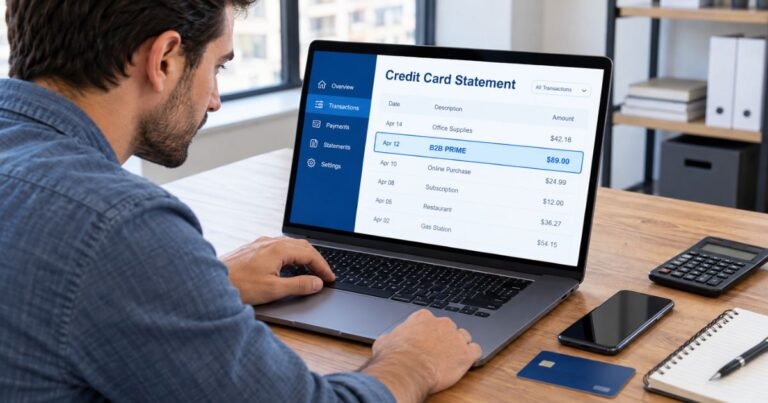
Short statement labels can hide a familiar business, a location, or a payment processor’s legal name. Tap the transaction in your banking app and look for the merchant category, amount, date, and any available contact details. Search matching receipts and account histories before labeling the charge unauthorized.
Ask authorized card users whether they made a purchase. A restaurant tip, a hotel authorization, or a delayed delivery payment may explain a different amount or date. If nothing matches, the issuer may be able to provide further identifying details.
Choose the correct dispute reason
Fraud normally means you did not authorize the transaction at all. A billing disagreement may involve an order you made but were charged twice for, never received, canceled, or received with the wrong amount. Those situations can have different forms and supporting evidence requirements.
State what actually happened instead of selecting the first complaint category. A familiar charge with an incorrect refund is not automatically identity theft. Clear, accurate facts give the issuer a fair basis for reviewing the dispute.
Collect documents before you submit
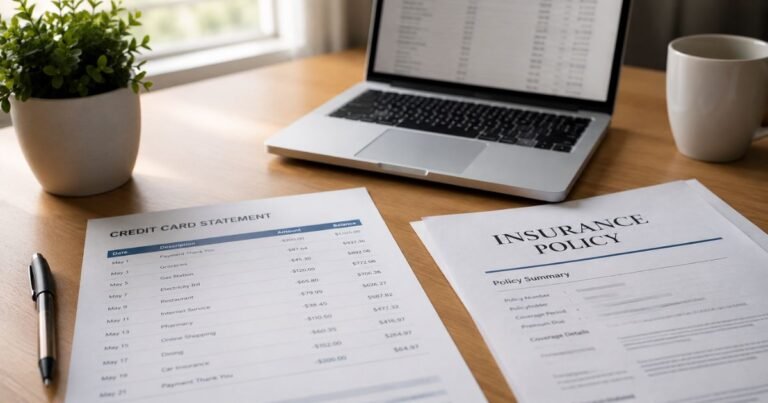
Save the original receipt, booking or order confirmation, statement entry, cancellation confirmation, and correspondence with the seller. Make a brief timeline showing when the purchase occurred, when you first noticed the error, and what you did to resolve it. Keep copies rather than sending irreplaceable originals.
Screenshots should show relevant information without exposing unnecessary account details. A refund promise should be recorded in writing if possible. If your transaction is linked to several installments or related purchases, identify the exact charge that you are challenging.
Understand the written billing-error deadline
The FTC explains that a credit-card billing error generally needs a written notice delivered to the issuer’s billing-inquiries address within 60 days after the first statement showing the error was sent. This deadline is tied to the statement, not always the purchase date. Online or telephone reports may not preserve every statutory right.
Use the dispute address listed on the card agreement or statement, not the payment mailing address. Include the amount, date, reason, and identifying account details through the authorized channel. Keep proof of timely delivery.
Know what happens during investigation
A card issuer may acknowledge the dispute, ask for records, and evaluate the merchant’s response. For qualifying Fair Credit Billing Act disputes, federal rules include acknowledgment and resolution deadlines. A provisional account credit, when offered, is not necessarily a permanent refund.
Continue paying the undisputed part of your statement by the due date. Track issuer messages and deadlines for submitting evidence. The bank may eventually reverse the credit if it decides the original payment was valid under the applicable process.
Official guidance
Airbnb: Disputed charges and chargebacks; Airbnb: Why charged twice; Airbnb: Plan fee versus direct charge; FTC: Billing disputes. Review the current issuer terms for your specific card and dispute.
FAQs On Airbnb Credit Card Charge Dispute
Q: Can I dispute an Airbnb charge if I canceled?
A: Possibly, if there is a genuine billing error, but cancellation alone does not guarantee a refund outside the applicable policy.
Q: Does Airbnb handle a chargeback refund?
A: Airbnb says the bank handles chargeback refunds once the dispute starts.
Q: Why do I see Airbnb twice on my card?
A: One line may be an authorization hold, installment-related fee, or separate payment. Check which amounts posted.
Q: How long does an Airbnb chargeback take?
A: Airbnb says its process can take up to 90 days; ask your card issuer for case-specific updates.
Conclusion
To dispute an Airbnb charge on credit card statements, verify the reservation, check for holds and plan fees, and raise a documented claim with the right party. Use the card issuer for unauthorized payments and qualifying billing errors.
Disclaimer: This is general information, not financial or legal advice. Card issuer policies and legal protections depend on the transaction. Confirm account-specific questions directly with the company and your bank.