What is Unleashed Brands Charge on Credit Card?

An Unleashed Brands charge on credit card statements may relate to a child’s class, adventure park visit, or ongoing membership. You might recognize the local activity business but not the name of its parent organization.
Unleashed Brands operates several youth enrichment companies. This guide explains which brands to check, how to find membership records, and who handles cancellation.
What Is a Unleashed Brands Charge on Credit Card?
Unleashed Brands is a parent organization for youth enrichment businesses, including gyms, activity parks, learning centers, and classes. Its own website lists seven current operating brands.
A cardholder may pay for lessons, memberships, camps, events, or related activities at an affiliated location. A statement may use the parent company or another payment entity rather than the specific location name.
Urban Air, The Little Gym, Sylvan Learning, Premier Martial Arts, Snapology, Class 101, and Water Wings Swim School are the brands listed by the company in October 2026. A previous list from another date could include brands no longer shown.
Your individual charge still needs to match a location’s receipt or enrollment agreement. The parent-company name alone cannot prove a particular child, class, or membership was billed.
Which Unleashed Brands Businesses Might Be Involved?
You may have visited Urban Air for an adventure park activity or bought a related membership. An admission, birthday party booking, or renewal can have different billing terms.
The Little Gym and Premier Martial Arts provide structured children’s physical activities. Tuition and enrollment rules can depend on the individual studio or franchise agreement.
Sylvan Learning and Class 101 focus on education and academic planning. A recurring tutoring or college-preparation payment might be billed using a company name different from the center you visited.
Snapology offers STEM activities, and Water Wings Swim School offers swimming instruction. Check whether anyone in your household enrolled in classes, camps, or special programs.
If you do not use any of these businesses, do not assume the charge belongs to a child-focused company. Ask your issuer for the legal merchant and location before drawing a conclusion.
How to Find the Related Location and Invoice
Search your email for Unleashed Brands and each affiliated brand you have used. Look for an enrollment form, activity reservation, receipt, birthday party confirmation, or membership notice.
Check the date and amount against the local center’s account. The place where you enrolled may manage billing even when the statement uses a broader corporate description.
If your household has several children enrolled in activities, compare each participant’s schedule and billing period. One card can fund more than one membership.
Ask the local center for a copy of the original agreement and payment history. Confirm the location, payment card, service period, and any fees that were disclosed at enrollment.
Do not send a child’s sensitive personal information merely to identify a credit card transaction. The center can usually start with a safe account identifier and the billing amount.
How to Cancel a Membership or Class Plan
Unleashed Brands’ official contact page says membership payment and cancellation questions should go to the individual local location. Contact that center rather than assuming corporate support controls every membership.
Read the enrollment agreement for renewal, minimum commitment, and notice requirements. Different franchises may have different processes, and a cancellation may not take effect immediately.
Ask whether notice must be provided online, by email, or in person. Save a dated confirmation of the cancellation and the final billing period.
If the center has already processed a renewal, ask about its actual refund policy. Do not assume that missed classes or unused visits automatically qualify for a full credit.
If billing continues after the confirmed effective cancellation date, provide both statements and the written agreement. Escalate unresolved card errors to the issuer when appropriate.
One-Time Visits Versus Recurring Payments
A single park ticket is different from a monthly membership or class enrollment. The receipt should say what service you bought and whether another payment is scheduled.
A party deposit can appear months before the event itself. Check the reservation date rather than only the day you visited the venue.
Recurring fees may continue even when your family temporarily stops attending. The applicable membership terms matter more than the last time anyone visited.
If two charges appear in one month, check for separate children, add-ons, event fees, or a processing mistake. Confirm that both entries are posted.
If no authorized adult approved the charge, report it to your card issuer. You are not required to guess which franchise accepted the payment before requesting an investigation.
Check the Actual Transaction Before Requesting a Refund
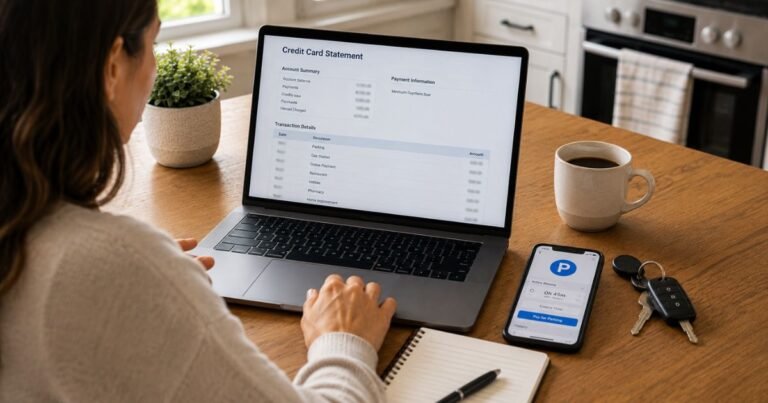
Open the payment in your issuer’s secure app and record the complete descriptor, amount, transaction date, and location. A parent company, billing processor, or abbreviated address may differ from the brand on your original receipt.
Check whether the entry is still pending. An authorization can temporarily reduce available credit and then disappear or change at settlement. See our guide to pending card charges for help interpreting that status. A completed payment is normally labeled posted.
Search your email and account purchase history for the exact amount. Ask anyone authorized to use the card whether they recognize the date or business. This is especially important for household subscriptions and company cards.
Two displayed entries are not always duplicate payments. Confirm whether both actually posted before requesting a correction. A refund also commonly posts as a separate credit.
Ask the card issuer for the full merchant of record when the short label is unclear. The bank may have a longer business name and transaction channel than your statement displays.
Report a Charge You Did Not Authorize
If you do not recognize the charge after basic checks, call the number on the credit card or use the issuer’s verified app. Explain which transaction was not authorized and request its fraud-review procedure.
Ask whether the card needs to be locked or replaced and whether account credentials should be updated. Follow the issuer’s advice rather than using a phone number from a suspicious text.
For many credit-card billing errors, the CFPB explains that written notice should reach the issuer within 60 calendar days after the statement with the first error was sent. Follow the issuer’s specific billing-error address and instructions.
Keep your receipts, cancellation confirmations, support messages, and case number. A chargeback investigation is not an automatic refund, and you should still follow rules for paying undisputed balances.
Do not send a full card number, CVV, or one-time banking passcode to an unknown business claiming to remove a charge. Verified support usually needs only limited payment references.
Prevent Another Unfamiliar Payment
Enable card transaction notifications when available. Seeing the purchase immediately can help you identify the legal billing name shown later on your monthly statement.
Store receipts in a searchable email folder with the order date, total, account email, and renewal terms. A clear record can resolve many confusing statement labels without contacting a bank.
Cancel an existing recurring service through the platform that manages its billing. Deleting an app, removing an authorized user, or replacing a card does not necessarily end a separate merchant contract.
After cancellation, save the confirmation and verify the next card statement. If another payment appears after the confirmed effective date, send that evidence to the merchant and issuer.
Official Sources and What Still Needs Verification
Unleashed Brands’ official October 2026 website names seven operating brands, including Urban Air, Sylvan Learning, The Little Gym, Premier Martial Arts, Water Wings Swim School, Snapology, and Class 101. Its contact page expressly directs membership payment and cancellation questions to the individual local location.
Review Unleashed Brands’ current brand list and local membership instructions for the published business information. The CFPB credit card billing-error guide explains the steps for formally challenging a mistaken card charge.
FAQs On Unleashed Brands
Q: Is Unleashed Brands related to Urban Air?
A: Yes. Urban Air is one of the youth activity brands listed by the Unleashed Brands parent organization.
Q: Which other brands belong to Unleashed Brands?
A: Its current website lists Sylvan Learning, The Little Gym, Premier Martial Arts, Water Wings Swim School, Snapology, and Class 101 alongside Urban Air.
Q: How do I cancel an Unleashed Brands membership?
A: Contact your specific local franchise or center. The parent company’s official contact page directs billing and cancellation questions there.
Q: What if no one in my household enrolled?
A: Ask your issuer to identify the actual merchant and report the unexplained transaction promptly.
Conclusion
A Unleashed Brands charge on credit card statements needs a matching invoice or account record. The correct local location and its signed agreement determine the billing and cancellation process.
Check the official company account and verify the amount before making a cancellation request. If the payment remains unexplained or unauthorized, report it to your card issuer promptly.
Disclaimer: This information is educational only, not financial or legal advice. Merchant terms and card issuer policies vary, so verify account-specific questions with the company or your bank.