What is VIOC Charge on Credit Card?

A VIOC charge on credit card statements can be puzzling if you do not remember the name. It may be linked to an ordinary car-service visit rather than a membership or online subscription.
VIOC is commonly used for Valvoline Instant Oil Change, but you should match the amount and location with your own service record. This guide explains the likely purchase, how to find your invoice, and what to do if it is not yours.
What Is a VIOC Charge on Credit Card?
VIOC stands for Valvoline Instant Oil Change, a service business offering drive-through oil changes and other vehicle maintenance services. A card entry using that abbreviation typically points to a transaction at a service center.
Valvoline’s official site describes oil changes, vehicle inspections, and related maintenance at participating locations. Services and prices depend on the vehicle, location, products selected, and work authorized.
Do not assume the transaction is a subscription just because you see the word VIOC. A visit for one-time maintenance is a more direct explanation, though you still need a matching receipt.
A descriptor may include VIOC, a store identifier, or a city. Your issuer can sometimes show a fuller name or location than your statement displays.
Common Reasons for a VIOC Card Payment
You may have bought a conventional, synthetic-blend, or full-synthetic oil change. The amount can vary because different engines require different oil types or quantities.
You may also have agreed to another service while at the center, such as replacing a filter or checking a vehicle component. Review your itemized invoice rather than assuming every additional cost is an error.
A family member may have used the shared card for vehicle maintenance. Ask about recent oil changes or other stops at a Valvoline location.
The payment may include tax or other disclosed charges. Look at the final receipt to separate the advertised service price from the total billed amount.
An incorrectly keyed amount, duplicate capture, or unauthorized card use is possible, but the label alone does not establish which explanation applies.
How to Match VIOC to Your Service Visit
Look at the purchase date and compare it with your vehicle service calendar. Also review text messages, appointment reminders, emailed invoices, or service stickers that mention the last visit.
Search for a Valvoline Instant Oil Change receipt showing the same amount. An itemized invoice should help you identify the oil, parts, labor, any discount, and sales tax.
If the payment includes a location number or city, compare it with the service center where you visited. Your card issuer can sometimes provide the full merchant location.
Contact the service center through contact details on Valvoline’s official location finder or your original receipt. Give a date, amount, and any invoice number without sharing your full card details.
If the visit happened through a work or family vehicle, check whether another authorized person paid with your card. Keep in mind that a charge date may differ slightly from the service date.
Can You Cancel a VIOC Charge?
If you already received a one-time oil change, there usually is no ongoing VIOC subscription to cancel. You would be asking for a billing correction or refund rather than stopping future renewal.
If you are dissatisfied with the service or believe you were billed for work you did not authorize, ask the center for its written explanation. Bring your itemized receipt and vehicle details.
Coupons and promotional offers have restrictions that can vary by location. A discount may not apply to all products or may not be combined with another offer.
If the location confirms it made a billing mistake, ask when and how a credit will be issued. Check your posted statement for the actual credit.
If you never visited a Valvoline center and no authorized user recognizes the charge, report it through your card issuer. Do not try to cancel an imaginary subscription to resolve possible fraud.
What to Look for on the VIOC Receipt
Compare the full service total rather than the oil price displayed in an advertisement. Vehicle-specific oil capacity, filter selection, taxes, and approved extra work can affect the total.
Ask for line-by-line clarification if the final bill includes products you do not recognize. A clear invoice should explain what work was performed on your vehicle.
Keep maintenance receipts for warranty and service-history purposes. They also help you identify a VIOC statement charge months after the visit.
If the card transaction appears more than once, verify whether an earlier authorization is still pending. Contact the business or issuer if two separate payments have posted.
If You Cannot Recognize the Transaction
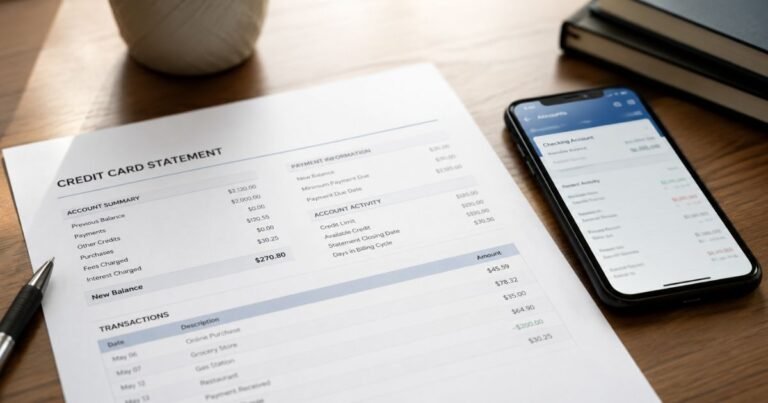
Start by opening the transaction details in your credit card’s secure app. Note the full descriptor, exact amount, transaction date, and whether it is pending or posted.
Compare the payment with your email receipts, purchase history, calendar entries, and any shared-card purchases. You may recognize the amount even when the merchant’s legal name looks unfamiliar.
Ask a spouse or another authorized user whether they recognize the transaction, without making assumptions. A family purchase can be legitimate even if you were not present.
If no one recognizes the payment, contact your card issuer using the number printed on the card. Ask for the complete merchant record and how to report a potentially unauthorized payment.
The issuer may recommend a dispute, a temporary card lock, or replacement if card information was compromised. Whether those steps are needed depends on what the bank finds.
Do not share your full card number, verification codes, or banking password with a caller who offers to remove a charge. You should contact your bank through a verified channel.
Pending, Posted, and Reversed Charges
A pending charge is often an authorization rather than the final completed payment. The amount or label may change when the merchant submits the transaction for settlement.
A pending entry and the later posted entry can briefly appear together. Before treating them as a duplicate, check whether both actually posted.
Two different posted entries may represent separate items, additional services, an installment, or a genuine billing error. Compare each line with individual receipts or statements.
If a refund is issued, it may appear as a separate credit. You should not assume the original charge will simply disappear from your history.
Refund and reversal timing varies by merchant, payment network, and bank. Keep the confirmation and check the posted account activity rather than relying only on a verbal promise.
How to Request a Billing Correction
If you recognize the merchant but disagree with the amount, contact the business through its official billing or customer-service channel. Explain which service, item, or fee appears incorrect.
Ask for the itemized receipt and the terms that applied when you paid. Save the response, especially if the merchant agrees to a partial or full credit.
If the company cannot resolve a billing error, ask the issuer about its dispute process. A chargeback is an investigation, not an automatic refund or a substitute for canceling future services.
For many credit card billing errors, the Consumer Financial Protection Bureau says you must mail or otherwise send qualifying written notice within 60 calendar days after the first statement that shows the error. Follow the billing-error address and instructions supplied by your card issuer.
Keep copies of your written notice, statement, emails, and case reference number. Do not withhold unrelated payments on your card based solely on an unverified charge.
Report a truly unauthorized payment promptly rather than waiting for more charges. Your issuer can tell you which fraud protections and account changes apply to the situation.
Preventing Surprises on Future Statements
Enable transaction notifications if your bank supports them. Checking a payment soon after it happens makes it easier to remember where you used the card.
Keep searchable receipts and confirmation emails for purchases, memberships, and renewals. Include the date, amount, and the seller’s displayed billing name when possible.
Review the saved payment methods in your online accounts and shopping apps. If you decide to cancel a subscription, use the actual subscription-management setting rather than merely removing an app.
Check your monthly card statement for extra payments and unfamiliar merchant spellings. If you cannot explain a line after reasonable checks, follow up with the issuer.
FAQs On VIOC
Q: Is VIOC a subscription service?
A: A VIOC card charge usually relates to a service-center purchase. Review your receipt before assuming any recurring plan exists.
Q: Can VIOC mean Valvoline Instant Oil Change?
A: Yes. VIOC is commonly used as an abbreviation for Valvoline Instant Oil Change.
Q: Why is the charge higher than I expected?
A: Oil type, vehicle requirements, approved extras, taxes, or coupon conditions may affect the total. Compare the final invoice.
Q: What if no one in my household visited Valvoline?
A: Request full merchant details from your issuer and report a suspected unauthorized payment promptly.
Official references: Valvoline oil-change services; Valvoline pricing factors; CFPB dispute guide.
If you are unsure whether a statement entry is a store purchase or an issuer fee, see our guide to credit card charges.
Conclusion
VIOC charge on credit card is best understood by matching a real transaction to a receipt and merchant record. The service invoice should identify which maintenance visit, parts, or fees you paid for.
Review your account history and ask the merchant for documentation if appropriate. Contact your bank promptly when a charge remains unexplained or appears unauthorized.
Disclaimer: This article provides general information, not financial or legal advice. Billing policies and card issuer procedures vary, so verify questions about your specific account with the company or your bank.