What is EB Charge on Credit Card?

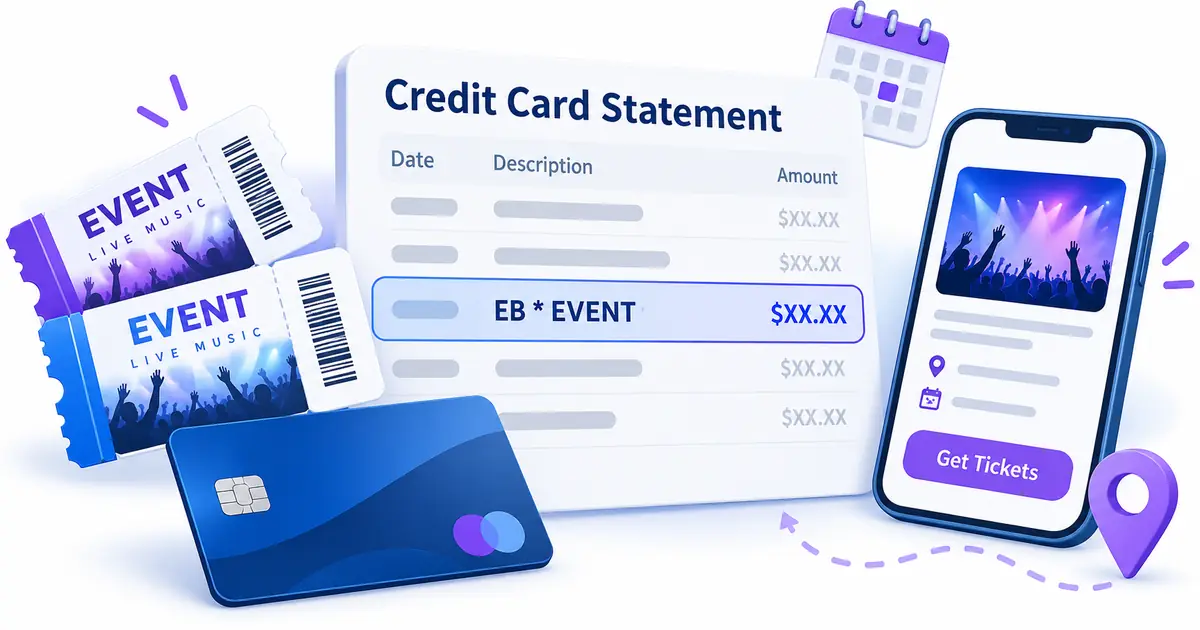
An EB charge on credit card entry can be confusing when the statement name does not match a purchase you remember. Many unfamiliar labels are legitimate, but the wording alone does not show whether you authorized the payment.
This guide explains possible causes, how to find the matching record, and what to do if a billing error or unauthorized payment remains.
What Is an EB Charge on Credit Card?
An EB * followed by an event name often identifies an Eventbrite ticket purchase or organizer-related payment. Eventbrite confirms this statement format, but the two letters EB alone can also be used by unrelated businesses.
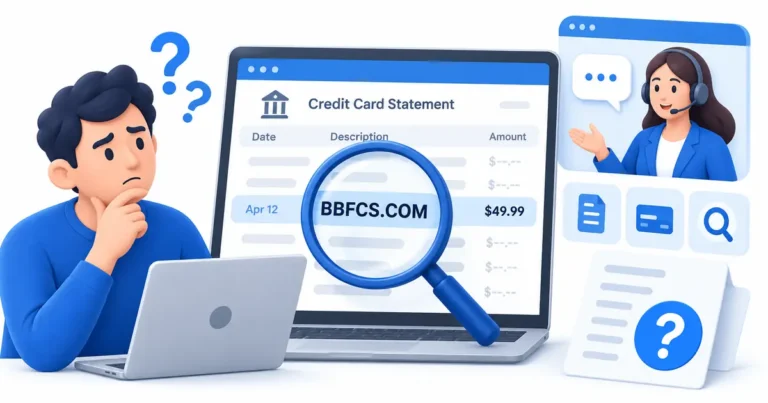
A merchant descriptor is the short name passed through the payment system and displayed by the card issuer. It may show a processor, company registration, or location rather than the product that was bought. Verify the transaction against an actual account record.
Why EB Might Appear on Your Statement
You bought tickets on Eventbrite for an event or class. Match the transaction or customer authorization to a written record before you draw a conclusion.
An event organizer made an Eventbrite-related payment or adjustment. Check the original order or service date, which may differ from the card’s posting date.
A pending card authorization from an event ticket attempt has not cleared. Ask whether an authorized user made the purchase before assuming card misuse.
A different company uses the initials EB in the shortened billing description. Do not treat a possible explanation as confirmed without matching the money and merchant.
How to Identify the Exact EB Payment
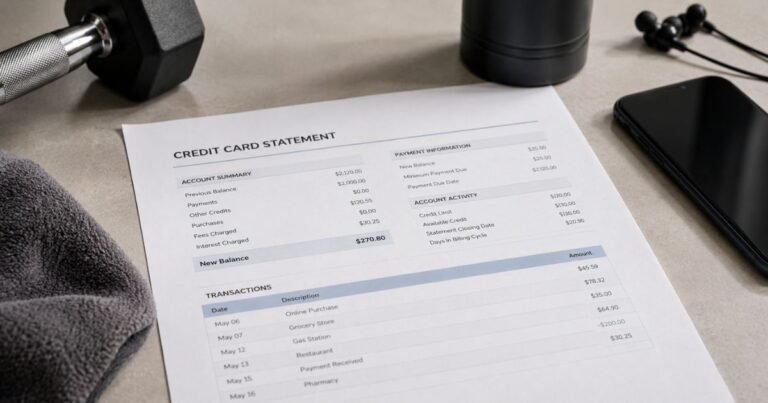
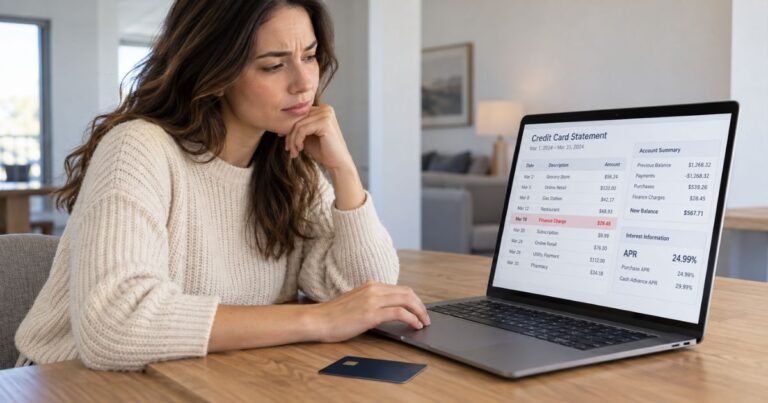
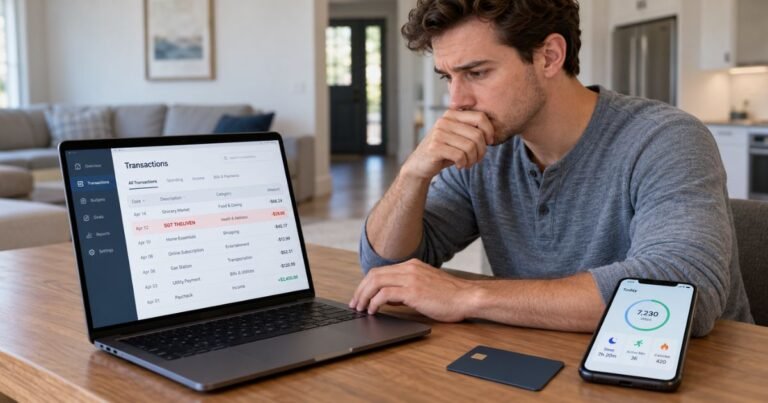
Open the card transaction and note the full statement wording, date, currency, amount, and payment status. Check whether the bank marks the entry as pending, posted, reversed, or credited. That distinction changes what you should do next.
Inspect whether the descriptor includes an event title after EB *. Keep the relevant screenshot or account record for later reference.
Search Eventbrite tickets, order confirmations, and refund messages. Confirm the amount and account instead of searching for a broad merchant name alone.
Compare event dates with the date the purchase was made. Check whether the purchase or payment came from an older profile or different email address.
Ask the issuer for merchant identity if the description is only EB. Contact verified support if the records conflict or you cannot finish the check.
What the Statement Label Does and Does Not Prove
Eventbrite says card statements can show EB * followed by a shortened event title and San Francisco as the location. That location may reflect the platform, not the place where you attended the event.
A statement name can be abbreviated and may not show the actual seller. A familiar city or amount is only a clue until it matches a receipt or official record. Ask the issuer for the registered merchant identity when the wording stays unclear.
Do not identify a business from an acronym or web search alone. The complete merchant category and card network transaction information may be more reliable. Your issuer can often help with those details.
Pending Holds, Duplicate Entries, and Posting Dates
A pending authorization is a temporary request against available credit, not necessarily a completed sale. When settlement occurs, the merchant may post a final amount and the earlier hold may disappear. Review both entries before treating them as duplicate purchases.
Processing delays, exchange rates, taxes, or adjustments may cause a different posted date or final total. Do not assume a specific fee applies unless you find it in the agreement or receipt. Ask the bank to explain the final calculation if necessary.
If two completed charges remain and only one purchase or payment was authorized, keep screenshots and the receipt. Contact the merchant or processor using a verified support route. If that does not resolve the problem, ask the issuer about a billing-error dispute.
How to Prevent Another EB Charge
Determine whether the transaction was a one-time order or an ongoing agreement. Repeat payment dates can be a clue, but they do not prove that the seller enrolled you in a subscription. Check the agreement and account billing settings.
A pending attempt after checkout is not necessarily an extra completed sale. Confirm whether duplicate lines actually posted before reporting a second ticket payment.
When a genuine recurring plan is no longer wanted, cancel through official account settings or a confirmed support channel. Save the cancellation date and message. Removing an app or replacing a card may not automatically end your agreement.
How to Request a Refund or Correct a Billing Error
If you know the company but the amount seems wrong, compare the seller’s receipt with your statement. Explain the exact issue, such as duplicate billing, a missing order, or an unwanted renewal. Ask for a written answer and keep the case number.
A cancellation and a refund are different outcomes. The contract and applicable policies determine whether previous payments qualify for a credit. Keep supporting receipts and watch your card statement for the actual reversal.
If the billing descriptor belongs to a processor, find out whether the merchant or processor handles the correction. The company visible on your statement may not control the underlying product or service. Follow verified instructions rather than an unknown card-lookup website.
What to Do if You Never Authorized the Payment
If nobody authorized to use the card recognizes the payment, report it promptly to the issuer. Use the phone number on your card or the official app. Ask about merchant identification, dispute options, and account protection.
Watch for additional small charges and check your online account security. Save the time and date of your report, your bank’s instructions, and any supporting messages. Do not give a stranger one-time banking codes or passwords.
For many qualifying U.S. credit-card billing errors, a written notice may be required within 60 days after the bank sent the first statement showing the problem. A phone call alone may not protect every right. Pay undisputed balances while your issuer investigates.
Related COCC Guides and Official Help
For related details, see contesting a charge, stopping future charges. Each link covers a different payment label or billing situation, so do not assume the same rules apply everywhere.
Check Eventbrite’s official statement descriptor guide for verified product-specific guidance. Support steps, prices, and eligibility may change. Use the correct account and country before relying on those instructions.
FAQs On EB Charge on Credit Card
Q: Is a EB charge automatically a scam?
A: No. The name may be associated with a real transaction, but it is not enough to prove that this particular payment was authorized. Verify the receipt, amount, and registered merchant.
Q: Could a EB charge be recurring?
A: That depends on the service and the agreement you accepted. Review transaction dates and any active payment plans or subscriptions before assuming a renewal.
Q: How do I identify the exact EB purchase?
A: Check the full card descriptor, receipts, authorized users, and matching account history. If nothing matches, ask the issuer for merchant details.
Q: What if I did not approve the EB payment?
A: Report it promptly through the issuer’s official number or app. Ask about a dispute and card security, then monitor for additional unexpected payments.
Conclusion
An EB charge on credit card should be identified through the complete statement entry and the account or receipt behind it. Avoid treating a short name as proof of a specific seller or fraudulent transaction.
If you cannot match a legitimate purchase, contact your issuer promptly. Save what you learned, and check the next statement for any credits or repeat charges.
Disclaimer: This article provides general information, not financial or legal advice. Policies and rights vary by issuer and location. Verify account-specific details with the company or your bank.