Block a Charge on Credit Card: What Works

Can I block a charge on my credit card? You may be able to prevent some future payments or lock the card, but most issuers cannot simply erase a completed transaction on request. The right action depends on whether the charge is pending, recurring, posted, or fraudulent.
The most useful next step is to check the actual terms and transaction records, not rely on a guessed statement description. Below are practical questions and steps for your situation.
How to Block a Charge on Credit Card
Blocking a credit card charge can mean several different things: temporarily locking a payment card, asking an issuer to decline a merchant, canceling a recurring authorization, or disputing an already posted item. These procedures are not interchangeable. Issuers vary in the controls they offer.
A card lock may help reduce certain new purchases, but it may not stop authorized recurring payments or transactions that were already approved. A posted card payment normally requires a refund or dispute rather than a simple block.
Can you stop a pending credit card charge?
Sometimes an issuer can provide guidance on a pending transaction, but the ability to cancel an authorization may be limited. A merchant can sometimes void an unsettled charge, while some pending holds simply expire or settle automatically. Ask both parties about the actual transaction status.
Never assume that tapping Lock card retroactively cancels an authorization. If you suspect fraud, report it immediately even if the transaction is pending. The bank can advise whether replacement of the card or other security controls are needed.
Can you block one merchant?
Some credit card issuers offer merchant-specific payment controls or subscription management tools. Others require contacting customer service and may not guarantee a permanent block. Confirm whether the rule covers only future authorizations, only online transactions, or certain recurring payments.
Ask the issuer to explain what happens if the merchant submits a new descriptor or uses a payment-network updater. A block may not terminate a contract or unpaid balance. Cancel the service directly when you are responsible for the agreement, using the steps in our recurring-charge cancellation guide.
What does locking your card actually do?
A temporary lock is intended to restrict certain new card activity while you find a lost card or check suspicious transactions. Exactly which transaction types are stopped differs by issuer. Previously authorized purchases, recurring bills, refunds, or digital wallet payments may be treated differently.
Review your issuer’s lock feature before treating it as a general subscription cancellation tool. If card details have been stolen, ask whether a full fraud report and replacement card are needed. Follow official bank instructions rather than experimenting with transactions.
How to prevent another subscription payment
Sign into the merchant or original app store and cancel the recurring service using the official billing controls. Keep a dated confirmation. If necessary, ask the issuer whether a merchant block is available, especially when valid cancellation attempts have failed.
Changing a card number alone is not a dependable way to terminate subscriptions. Some recurring merchants may continue using updated card credentials. The underlying service agreement needs to be addressed so the provider stops submitting future payments.
What to do if the charge already posted
For a legitimate order you no longer want, request a cancellation, return, or refund under the merchant’s terms. If the amount is wrong, the product was not delivered as agreed, or you never authorized the payment, ask the issuer about the appropriate billing dispute. Different facts require different categories.
The FTC explains that consumers can dispute certain credit card billing errors and should provide timely written notice. Keep records of your communications and copies of receipts. Continue paying any undisputed balance while the matter is reviewed.
When to report fraud instead of seeking a refund
A card transaction you never made or authorized should be raised with the issuer promptly. Ask about securing the account, replacing card credentials, and checking other activity. Do not send complete card details to a merchant you cannot verify.
A purchase that you regret is not automatically fraud, even if you would like the charge reversed. Explain accurately whether the problem was an unauthorized transaction, a canceled subscription, an incorrect amount, or an undelivered order. This helps determine the correct response.
Can you block cash advances or online purchases?
Some cards support spending restrictions for categories such as online payments, international transactions, or cash withdrawals. The available options vary widely by bank. Check your app and customer service documentation for the exact controls attached to your account.
These controls may be helpful for prevention but do not necessarily reverse older charges. A spending limit is different from a merchant-specific block, and neither automatically ends an active subscription agreement. Ask the issuer how each feature works.
Identify the payment before you try to stop it
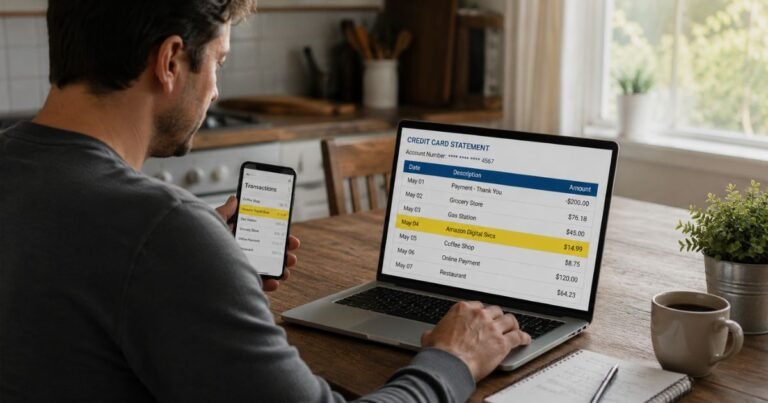
Read the exact merchant descriptor, amount, date, and transaction status. Check receipts, household purchases, and subscriptions connected to other email addresses. A pending authorization is not necessarily a final posted charge, and the same merchant may use more than one billing description.
When you do not recognize the payment at all, prioritize card security. Use the official banking app or the number printed on the card. Do not give a stranger your full card number to investigate a charge.
Understand pending, posted, and future transactions
A pending payment is still being authorized or settled. A posted charge has generally been finalized on the card account. A planned subscription renewal is a potential future transaction, not yet a posted billing error.
Your options may differ for each stage. The card issuer can explain what can be done with an authorization or merchant block, while a posted dispute follows a separate process. Canceling a service affects future billing obligations but does not guarantee reversal of the past payment.
Save evidence before changing account settings
Keep a copy of the statement line, receipt, cancellation email, and any prior communications. Record the date you asked the merchant to stop billing and the name or case number of the representative. These details become important if a renewal appears later.
If the bank requests supporting documents, provide only the relevant records through its secure official channel. Remove account numbers and private information from material shared elsewhere. Good evidence makes it easier to distinguish unwanted authorized charges from actual fraud.
Cancellation and card replacement are different
Deleting an app, locking a card temporarily, or requesting a replacement number may not end a subscription contract. Payment networks offer account-updater services that can sometimes support continuing authorized subscriptions when cards change. That is why canceling through the original merchant matters.
If the underlying agreement is still active, the company may still consider payments due even if one transaction is declined. Read the terms and keep a record of proper cancellation. Ask your issuer what blocking options are available on your particular card.
Understand the billing dispute deadline
The FTC advises consumers to act quickly and send written notice for credit card billing errors within the applicable 60-day window measured from the first statement containing the error. The exact address for billing disputes may differ from the address for payments. A phone call alone may not preserve all statutory rights.
Include the disputed amount, date, reason, and supporting information. Continue paying the portion of your statement that is not disputed. The issuer will explain what happens while it reviews the claim and whether a provisional credit is available.
Sources and official guidance
FTC: Using credit cards and disputes; FTC: Cancel subscriptions; FTC: Dispute sample letter. Confirm current terms with the relevant provider or bank before making a financial decision.
FAQs On Block a Charge
Q: Will a card lock cancel a pending purchase?
A: Not necessarily. Previously authorized transactions can still settle, depending on the issuer and payment status.
Q: Can I block only one company?
A: Some issuers offer merchant controls, but availability and effectiveness vary. Ask your issuer for specific options.
Q: Can a bank reverse a completed charge immediately?
A: A refund or dispute may be available, but the issuer normally must review the circumstances. Reversal is not guaranteed.
Q: Does a new credit card number stop subscriptions?
A: Not reliably. Some authorized recurring payments can continue through payment-card updating systems.
Conclusion
To block a charge on my credit card, first identify whether you are trying to prevent a future payment or challenge one that has posted. Cancel recurring services with the merchant, use issuer security controls when appropriate, and promptly dispute unauthorized activity.
Disclaimer: This material is for information only and is not financial or legal advice. Fees and policies vary by issuer, merchant, and individual agreement. Verify account-specific questions with your card issuer or the relevant company.