What is TELEGALOR.US Charge on Credit Card?

A TELEGALOR.US charge on credit card statements is hard to identify if you did not recognize the name. We could not verify a dependable official business description or prove the source of every payment using this web-style descriptor.
The goal is to identify the payment from reliable records instead of guessing from a statement label. The sections below explain the likely clues and the appropriate next steps.
What Is TELEGALOR.US Charge on a Credit Card?
The words TELEGALOR.US resemble a domain name, but that does not independently prove a business identity, subscription, or purchase. Some informal online complaints contain the name, yet they do not verify the legal company responsible for your transaction or show that your card payment was unauthorized.
You should obtain fuller merchant details from the issuer and compare the amount to your own accounts. Treat unconfirmed website links and numbers cautiously because a charge-description search can lead to impersonation and phishing pages.
Why a web address is not enough evidence
A domain-like statement descriptor can refer to an older billing domain, a merchant account, or a separate processing company. Similar names sometimes get copied into unrelated online pages. The appearance of a domain alone does not identify the product or legal entity.
Avoid claiming it must be legal advice, entertainment, or a subscription without an actual invoice. If a website claims to resolve the charge, verify it independently first. Do not use a guessed merchant identity as the basis for sharing sensitive information.
Read the bank’s transaction record
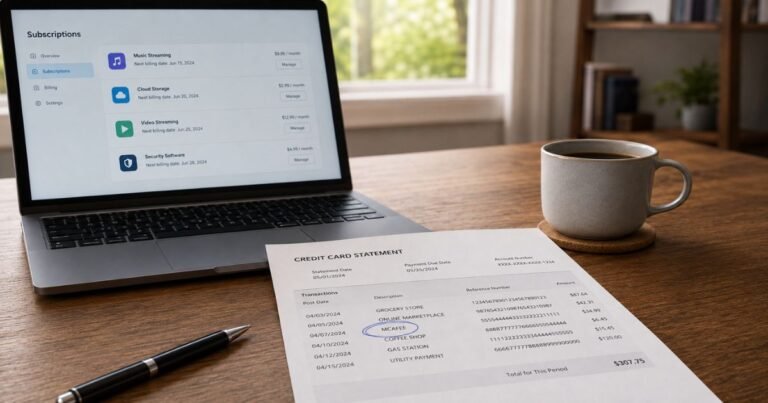
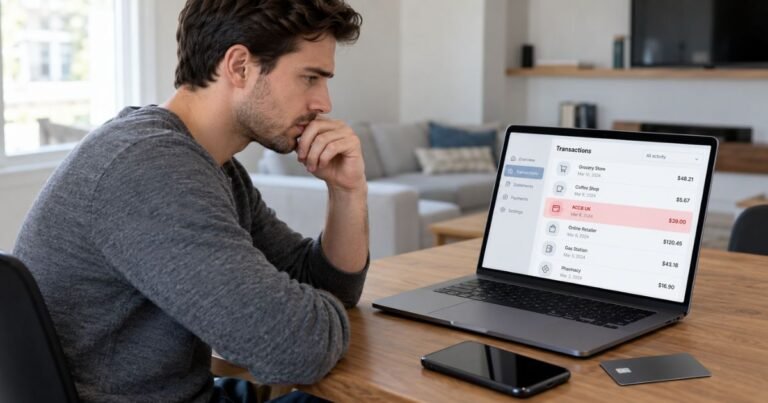
Capture the exact statement wording, date, currency, amount, and merchant location. Find out whether the entry is pending or posted. Sometimes an unfamiliar purchase date results from delayed settlement.
Check shopping receipts, previous memberships, and accounts held by authorized card users. Search by amount as well as the descriptor. If you cannot find a match, ask the bank what registered merchant details are available.
Be careful with unsolicited billing emails
Someone claiming to provide TELEGALOR.US support may ask you to click a link or confirm your card details. Avoid using contact paths you cannot independently verify. Log into your bank separately and compare the claim with your real statement.
If you already entered credentials on a suspicious page, change passwords and notify the bank. Ask whether your card or wallet token should be replaced. Keep suspicious messages for the fraud team.
Look for a possible subscription pattern
Several similarly sized payments might suggest a renewal, but they could also be separate purchases or multiple unauthorized attempts. Do not assume a binding agreement exists just because a payment repeats. Search for an actual signup record and billing terms.
When a real merchant has been verified, use its documented cancellation steps and request written confirmation. If you never authorized the arrangement, report that clearly to the issuer.
Do not pay an advance fee to remove the charge
A suspicious support site may promise a refund if you supply extra payment credentials or transfer money first. That is not a reliable cancellation or chargeback method. Your bank can advise on available dispute and card-security steps without requiring you to trust a stranger.
Never share a CVV, password, or one-time code to supposedly unlock funds. Use only official support from the issuer and a merchant identified with evidence. Record any suspicious demand.
How to challenge the payment
If the transaction is not yours, report it promptly through your issuer’s official channel. Give the exact descriptor and explain that the merchant identity has not been confirmed. Ask whether additional security measures are necessary.
Keep documents and follow written billing-dispute instructions for qualifying errors. The outcome may depend on bank and payment-network investigations. Do not assume a refund is guaranteed from the descriptor alone.
Read the full transaction, not just the short name
Start with the exact descriptor, payment amount, date, and merchant location supplied by your bank. Some apps show extra detail after you open the transaction. A processor or legal company name may differ from the store name you remember, so the first impression can be misleading.
Ask your issuer for a fuller merchant record or transaction reference if the displayed label is unclear. Do not treat a search result about another person’s card as confirmation of your own payment. You need evidence linking the exact charge to a real purchase.
Search all the accounts you actually use
Look for matching receipts in your email, shopping history, and app-store purchases. Search by amount and date as well as by the descriptor, because billing names can be shortened. Check the spam folder and any other email address used to sign up for services.
If your card has other authorized users, ask whether they recognize the purchase without disclosing full account details. A subscription or an order placed through an older account can be forgotten. A corresponding invoice is far more helpful than a third-party guess.
Understand pending holds and posted charges
A pending authorization may only reserve available credit while a merchant processes a payment. It may disappear, change amount, or become a completed charge later. Check the transaction status before assuming the same purchase was billed twice.
If both transactions actually post, save both entries and ask for an explanation. When the merchant is entirely unfamiliar and you suspect card misuse, alert the issuer immediately even if the charge is pending. Card security questions need not wait for settlement.
Use careful wording when the merchant is unknown
A statement description is not always a verified legal name, product category, or proof of wrongdoing. Similar letters can appear in unrelated companies’ billing descriptions. Public articles, social media posts, and consumer forums may contain unconfirmed associations.
Separate what the issuer or company has verified from possibilities you are still checking. Avoid accusing a particular company without supporting records. If identification remains uncertain, tell the bank that the transaction is not recognized rather than guessing its origin.
Check whether the amount repeats
Review previous statements for the same descriptor and similar amounts. Repetition may point to a subscription or installment schedule, but it can also reflect separate purchases. Compare transaction IDs, posting dates, and any renewal emails.
If you identify a genuine membership, check its terms, account holder, and upcoming billing date. A pattern alone cannot establish that you authorized the charges. If a repeated payment is not yours, ask the issuer about both disputing it and preventing further misuse.
Get support contact details from a reliable source
Use the official business website confirmed by a matching receipt or the merchant information provided by your issuer. Avoid trusting phone numbers in search advertisements or random charge-identification blogs. Fraudulent support pages may ask for full card numbers or one-time login codes.
Provide only the limited details needed to locate the payment, such as the date, amount, and last four digits of the card through a verified channel. Save the support case and written response. Stop if someone demands an advance fee to release a refund.
How to cancel an actual subscription
If you confirm that the payment belongs to a real subscription you signed up for, open the correct account or app store and use its cancellation controls. Follow all steps until you receive written confirmation and an effective date. Deleting an app is not a reliable way to cancel recurring billing.
Canceling a future renewal does not automatically undo an earlier settled payment. Ask about the actual refund policy and keep copies of the terms. Monitor the next statement to confirm that new charges do not continue after valid cancellation.
Official sources and guidance
FTC billing rights; FTC sample dispute letter. Confirm current terms directly with your issuer and any verified merchant.
FAQs On TELEGALOR.US Charge
Q: Does TELEGALOR.US definitely identify a company?
A: Not from the statement name alone. We did not verify one authoritative merchant identity.
Q: Is the charge automatically fraud?
A: No. Verification depends on whether you authorized the payment and what the issuer records show.
Q: Should I enter card details on a matching website?
A: Not until the merchant and website are independently confirmed as legitimate.
Q: Can my credit card issuer investigate it?
A: Yes. Ask your issuer for fuller merchant details and the appropriate dispute or fraud-reporting route.
Conclusion
A TELEGALOR.US charge on credit card statements does not establish a verified product or merchant by itself. Check fuller issuer records and report any unauthorized payment promptly without entering information on unverified sites.
Disclaimer: This content provides general information, not financial or legal advice. Policies and dispute outcomes vary by merchant and issuer. Verify account-specific questions directly with the company or your bank.