Stop a Recurring Charge on Credit Card: Steps

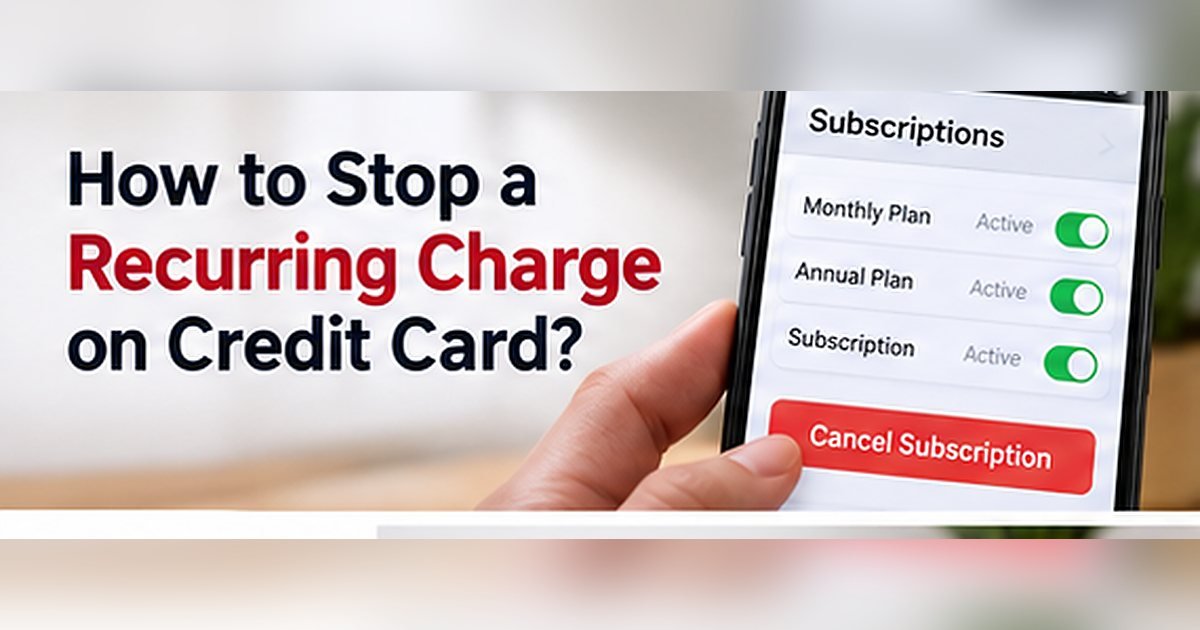
To stop a recurring charge on credit card statements, you generally need to cancel the subscription or payment authorization with the correct billing company. Blocking a single transaction or replacing the physical card may not end the underlying contract.
The most useful next step is to check the actual terms and transaction records, not rely on a guessed statement description. Below are practical questions and steps for your situation.
How to Stop a Recurring Charge on Credit Card
A recurring card charge is a payment a business collects again under an ongoing authorization, such as a monthly subscription or service plan. The correct first step is to identify the biller and the account that authorized it, then use that provider’s cancellation process.
The FTC advises consumers to contact the subscription company, keep records of cancellation, review subsequent statements, and dispute charges that continue improperly. Your issuer can also help with genuinely unauthorized transactions.
Find the subscription behind the descriptor
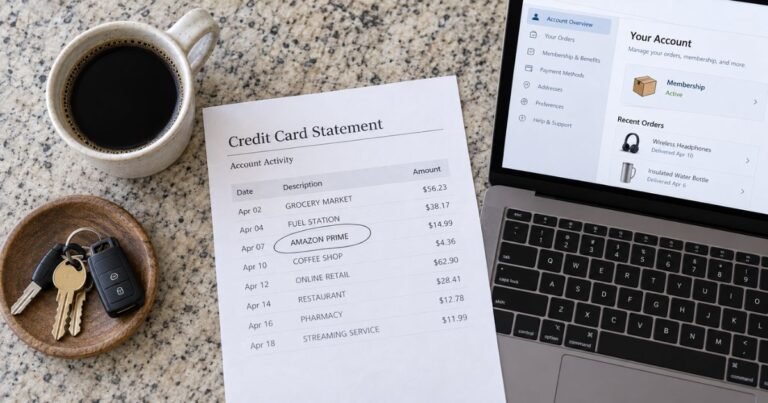
Open the card transaction and search for the full merchant name, amount, and last payment date. Compare receipts, email confirmations, app-store subscriptions, and services used by authorized household members. An abbreviated descriptor can hide the service’s everyday brand name.
Make a list of active monthly and annual plans under each email address. An annual charge may seem new simply because a full year passed since the last payment. Confirm the exact agreement before asking the issuer to treat a recognized subscription as fraud.
Cancel through the place you subscribed
If you enrolled on a merchant website, go to that account’s subscription or billing settings. Follow all cancellation steps and save confirmation. If you subscribed through Apple or Google Play, use the matching app-store account because the merchant may not control the platform billing.
Check when the cancellation becomes effective. Some plans end immediately while others remain usable until the paid period expires. A provider may have conditions about ending a contract, so review the terms instead of assuming any button erases existing obligations.
Revoke future billing authorization clearly
When contacting the merchant, state that you want to stop the recurring card authorization and identify the account. Explain separately whether you are also canceling the service contract. Request written confirmation and keep an exact copy of the message or chat.
If the company says the renewal cannot be canceled, ask it to cite the applicable agreement and escalation path. The FTC advises consumers to save records of their efforts. This evidence may be useful if the company bills again after a valid cancellation.
Ask the card issuer about merchant blocking
Some banks offer merchant controls, subscription management features, or ways to block particular recurring merchants, while others do not. Ask the card issuer which tools are available and what they actually prevent. A merchant block is not the same as a refund or cancellation of a contract.
Do not rely solely on a temporary card lock, which may not affect all recurring authorization types. Ask how replacements and digital wallet tokens are handled. If the transaction was unauthorized, report it promptly as a security issue.
What if another charge posts after cancellation?
Gather the cancellation confirmation and the new statement entry. Ask the merchant to reverse an incorrect post-cancellation charge. If that does not resolve the issue, contact the card issuer and explain that you canceled but were billed again.
Use the issuer’s dispute category that accurately describes the event. An unwanted renewal under a disputed contract is not necessarily identical to stolen-card fraud. Preserve the relevant written dispute deadline and continue paying the undisputed part of your bill.
How to handle a free trial that converted to paid
Review the email or checkout terms from when you enrolled. Determine the trial end date, stated renewal price, and whether you agreed to automatic payment. Then compare these terms with the posting date and amount.
If the trial converted according to valid terms, cancellation may stop the next payment but does not guarantee reversal of the current one. Ask the merchant about its refund policy. If the billing terms were misrepresented, document that concern accurately for the provider and issuer.
Avoid another recurring-charge surprise
Maintain a subscription calendar with each plan’s price, billing source, renewal date, and account email. Turn on card transaction notifications and check monthly statements for small renewals. Remember that annual plans can be just as easy to forget as monthly ones.
Delete unused subscriptions using their official cancellation processes. Keep confirmation emails in a folder you can search. If you change card numbers, revisit active merchants instead of assuming the change has terminated every recurring arrangement.
Identify the payment before you try to stop it
Read the exact merchant descriptor, amount, date, and transaction status. Check receipts, household purchases, and subscriptions connected to other email addresses. A pending authorization is not necessarily a final posted charge, and the same merchant may use more than one billing description.
When you do not recognize the payment at all, prioritize card security. Use the official banking app or the number printed on the card. Do not give a stranger your full card number to investigate a charge.
Understand pending, posted, and future transactions
A pending payment is still being authorized or settled. A posted charge has generally been finalized on the card account. A planned subscription renewal is a potential future transaction, not yet a posted billing error.
Your options may differ for each stage. The card issuer can explain what can be done with an authorization or merchant block, while a posted dispute follows a separate process. Canceling a service affects future billing obligations but does not guarantee reversal of the past payment.
Save evidence before changing account settings
Keep a copy of the statement line, receipt, cancellation email, and any prior communications. Record the date you asked the merchant to stop billing and the name or case number of the representative. These details become important if a renewal appears later.
If the bank requests supporting documents, provide only the relevant records through its secure official channel. Remove account numbers and private information from material shared elsewhere. Good evidence makes it easier to distinguish unwanted authorized charges from actual fraud.
Cancellation and card replacement are different
Deleting an app, locking a card temporarily, or requesting a replacement number may not end a subscription contract. Payment networks offer account-updater services that can sometimes support continuing authorized subscriptions when cards change. That is why canceling through the original merchant matters.
If the underlying agreement is still active, the company may still consider payments due even if one transaction is declined. Read the terms and keep a record of proper cancellation. Ask your issuer what blocking options are available on your particular card.
Understand the billing dispute deadline
The FTC advises consumers to act quickly and send written notice for credit card billing errors within the applicable 60-day window measured from the first statement containing the error. The exact address for billing disputes may differ from the address for payments. A phone call alone may not preserve all statutory rights.
Include the disputed amount, date, reason, and supporting information. Continue paying the portion of your statement that is not disputed. The issuer will explain what happens while it reviews the claim and whether a provisional credit is available.
Sources and official guidance
FTC: Stop auto-renewing subscriptions; FTC: Dispute a card charge. Confirm current terms with the relevant provider or bank before making a financial decision.
FAQs On Stop a Recurring
Q: Will locking my card stop recurring charges?
A: Not necessarily. Some recurring authorizations may still process, so cancel with the merchant and ask your issuer about blocking options.
Q: Can I stop an annual subscription renewal?
A: Usually you can cancel future renewal under the service’s terms. Check deadlines and obtain confirmation.
Q: What if a merchant refuses to cancel?
A: Keep records, request escalation, and ask your card issuer about a dispute and future-charge controls.
Q: Does replacing my credit card cancel subscriptions?
A: Not reliably. Account updater services may help valid recurring payments continue on replacement cards.
Conclusion
To stop a recurring charge on credit card accounts, identify the true biller, cancel through the original channel, and save proof. Ask the issuer about blocking tools and promptly dispute unauthorized or improper follow-up charges.
Disclaimer: This material is for information only and is not financial or legal advice. Fees and policies vary by issuer, merchant, and individual agreement. Verify account-specific questions with your card issuer or the relevant company.