What is CTLP Service Works Charge on Credit Card?

A CTLP Service Works charge on credit card statements may come from a self-service machine that used a cashless reader. You may remember a laundry room or tire-inflation machine, while the bank displays the payment technology and operator instead.
CSC ServiceWorks has publicly described a partnership with USA Technologies to add cashless payment readers to air vending equipment. This guide shows how to check the machine location, avoid mistaking holds for duplicates, and request a correction.
What Is CTLP Service Works Charge on Credit Card?
CTLP Service Works resembles billing descriptions that combine a cashless-payment provider with CSC ServiceWorks. CSC operates shared laundry equipment and certain air or vacuum vending machines, while payment technology partners help the machines accept cards.
In 2019, CSC and USA Technologies announced an arrangement using the ePort payment platform for air vending equipment. A later company name or ticker associated with the payment provider may appear in some statements.
This does not mean every CTLP transaction automatically came from laundry. The exact machine type, location, and amount must be checked against your own activity and the issuer’s record.
Machine payments can appear with shortened company names, reader-provider prefixes, or a processing location rather than the physical site you visited. A legitimate system name is not proof that your individual charge was approved.
Machines That May Explain the Descriptor
You may have used a washer or dryer in an apartment complex, college residence, or shared laundry room. The payment could reflect a direct card transaction or a wallet top-up, depending on the equipment.
CSC also serves air and vacuum vending equipment at convenience stores and gas stations. Its official announcement discusses cashless readers for machines used to inflate tires.
A cashless reader may show a payment processor’s name even when the machine itself has CSC branding. Inspect any receipt, app history, or signage you remember from the location.
Several small transactions on the same day may reflect separate uses of a machine. A larger amount might be a wallet refill rather than one washing cycle, but you should confirm that explanation from your account.
If you have not used any shared laundry or vending machines, do not assume the charge is safe. Request full merchant details from the issuer, including location and payment method.
How to Locate the Specific Machine
Compare the transaction time with your laundry schedule, fuel stop, or travel history. A vending machine payment may settle later than the time of use.
Check your CSC app history if you used CSC GO or CSCPay. Your mobile wallet activity may show a top-up that matches the bank amount but does not equal the price of a single cycle.
Look for a machine ID and property address on any receipt or picture you saved. If the equipment malfunctioned, those details can help official support trace the payment.
If you used a tire-air machine, review the gas station and the type of reader you tapped. The gas station’s store purchase may have a separate descriptor from the outdoor machine.
Ask your card issuer for the expanded merchant name and geographic information if your records are incomplete. Do not give your full card number to an unverified kiosk-support number.
Machine Failure, Refunds, and Duplicate Charges
If a washer did not start or an air machine failed, gather the machine number, time, amount, and location. Use the official operator’s support channel to ask for a refund review.
Check whether the bank shows a pending authorization that might be reversed. Small card-reader transactions can sometimes be authorized before a final completed amount is posted.
A second completed charge should be matched to an actual second machine use. If you paid once but two amounts posted, ask for the provider’s transaction records.
A credit to a laundry wallet is not always the same as a refund to the credit card. Ask how the correction will appear and save any confirmation.
If the business agrees to a credit, check your card account for the posted adjustment. A support ticket alone does not establish that a refund has already arrived.
CTLP and CSC Are Not the Same Role
The machine operator and payment technology supplier may be separate businesses. The prefix in a descriptor can identify a payment system, while the rest identifies the machine service.
The older USA Technologies and CSC agreement is evidence of a real connection, but it does not prove that the companies operated your particular machine on the date of your charge.
Do not assume a monthly subscription just because the same descriptor appears repeatedly. Separate laundry cycles or vending purchases can create repeated small amounts.
If you have a recurring stored-value wallet arrangement, review the app terms before canceling. Stopping wallet refills may be different from closing the account.
For an entirely unexplained payment, your bank can investigate authorization and potential card compromise without requiring you to locate a physical machine first.
How to Check the Card Transaction
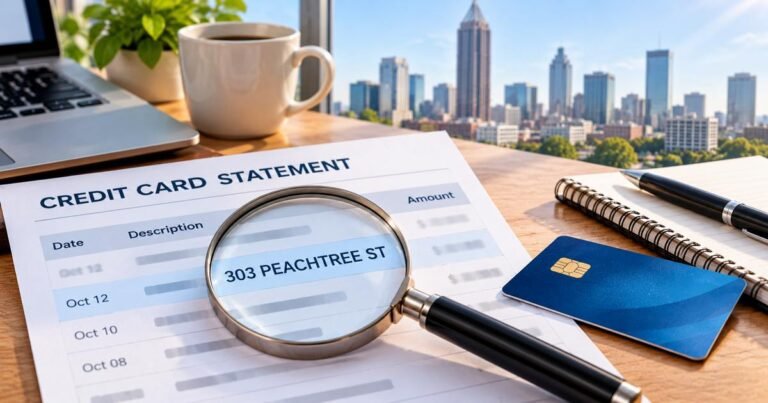
Open your credit card account through the verified app or website. Copy the exact statement descriptor, amount, date, and any merchant location. A short name can hide details that the issuer sees in its full transaction record.
Check whether the entry is pending or posted. A pending authorization can be a temporary hold that disappears or changes at settlement. If both a pending and a posted line appear, do not assume two completed charges without checking their status.
Search your receipts and email for the matching amount and date. Ask authorized cardholders whether they recognize the transaction. A legitimate household purchase can look unfamiliar when a business uses its legal name or payment processor.
Two different posted amounts need separate explanations. Look for a second purchase, renewal, adjustment, or refunded transaction. Keep the final statement and any merchant emails together when asking about a billing error.
When the Charge May Be Unauthorized
If you and other authorized users cannot explain a posted payment, contact the bank using the number on the card. Ask for the full merchant identity and report possible unauthorized use promptly. Avoid calling a number sent to you in an unexpected text message.
Ask whether the issuer recommends locking or replacing the card and changing relevant account passwords. Protecting your account does not automatically cancel a real subscription or recurring contract you already agreed to.
For many credit card billing errors, the CFPB says you should send written notice within 60 calendar days after the first statement containing the error was sent. Follow the issuer’s designated billing-error address, which may differ from its payment address.
Save the dispute case number, copies of statements, receipts, and support responses. A chargeback is an investigation, not a guaranteed refund. Continue paying any undisputed balance under the card’s terms.
How to Avoid Future Statement Surprises
Enable purchase alerts if your card issuer offers them. A notification near checkout may help you remember which business you used even when the later descriptor is abbreviated.
Keep a searchable folder of order confirmations and recurring-payment notices. Include the seller’s legal billing name, amount, purchase date, and renewal date when available.
Cancel a real ongoing plan through the service or billing platform that controls it. Removing an app or changing the payment card alone may not terminate the agreement or erase a balance owed.
Do not give full card numbers, verification codes, or passwords to a third-party charge-lookup service. Use merchant account pages and the issuer’s secure customer support tools instead.
What Is Verified, and What Needs Confirmation
CSC ServiceWorks’ official 2019 announcement documents a cashless-payment partnership with USA Technologies for air vending machines. CTLP is associated with the Cantaloupe payment-technology brand, but an individual CTLP* CSC descriptor still requires a real machine transaction or merchant record.
See CSC ServiceWorks’ cashless-payment partnership announcement for the company or payment process discussed here. You can also consult the CFPB billing-error guide for formal dispute steps. An online article cannot verify the transaction in your individual card account.
FAQs On CTLP Service Works
Q: Is CTLP Service Works linked to CSC laundry?
A: It may be. CSC operates laundry and vending equipment, and its official records describe a cashless reader partnership.
Q: Could CTLP mean a tire-air machine?
A: Possibly. CSC’s announcement specifically describes air vending equipment using cashless payment readers.
Q: Why do I see multiple CTLP entries?
A: Check whether they are separate machine uses, a wallet reload, or pending authorizations before treating them as duplicates.
Q: How do I get a refund if the machine failed?
A: Collect the machine ID, location, amount, and date, then contact the verified equipment operator or card issuer.
Conclusion
CTLP Service Works charge on credit card statements should be matched with a documented purchase or account history. A machine receipt or account log is the best way to confirm whether the charge came from laundry, tire air, or another self-service transaction.
Start with the merchant’s verified tools and any receipts you have. If nobody authorized the transaction, contact your credit card issuer promptly and keep records of the investigation.
Disclaimer: This article is for general information only, not financial or legal advice. Merchant terms and card issuer policies vary, so confirm account-specific questions with the business or your bank.