What is VetMedUX Charge on Credit Card?

A VetMedUX charge on credit card statements may be linked to professional veterinary education or clinical-reference tools. The name may not look familiar if your clinic or school subscribed through a different product brand.
VetMedux publishes resources for veterinary professionals. This guide explains how to look for a matching subscription or training purchase, request a billing correction, and respond when nobody recognizes the charge.
What Is VetMedUX Charge on Credit Card?
VetMedux is a veterinary education and clinical-reference business offering professional tools and content. Its products are aimed at veterinary clinicians, students, and other animal-health professionals rather than ordinary pet-care retail shoppers.
A payment can potentially relate to a subscription, training course, or another professional resource bought through its brands or services. The exact product needs confirmation from the invoice or account history.
The term VetMedUX on your bank record may use capitalization or abbreviation that differs from the website brand. Similar merchant names are not enough to prove a particular account exists.
You should not assume the payment is a veterinary hospital charge for treatment of a pet. Professional software, publications, and education are different from an animal clinic’s medical invoice.
Why Veterinary Professionals May See the Charge
You may have paid for a clinical reference tool used at a veterinary practice. A provider of digital information can bill separately from your clinic’s medical supply or patient-care vendors.
A veterinary student or employee might have purchased a training resource under an approved professional budget. Ask the team member who manages education purchases whether the amount matches an invoice.
Your workplace could have renewed a subscription that was started earlier. Review the billed account, renewal schedule, and organization name before assuming a new purchase occurred.
Some services provide multiple subscription tiers or access periods. The amount could differ by account type, promotional terms, or purchase channel, so rely on the current invoice.
If nobody connected to your card has used veterinary reference services, do not assume the payment is legitimate. The issuer can investigate the merchant and whether the card details were used without permission.
Find the Product or Training Invoice
Search your email for VetMedux, veterinary education, clinical reference, invoice, renewal, and the transaction amount. A receipt might be sent to a practice manager rather than the person checking the card.
Sign in to the professional account you actually control and review subscriptions or order history. Compare the purchase date, billing period, and service name with the posted transaction.
If the card is owned by a clinic, check its accounting software, purchase orders, and shared vendor accounts. A card can be used by more than one authorized employee.
Use the company’s official website to locate customer support for the product you identify. Do not send client medical records or full payment credentials when asking about a card charge.
If you cannot find a matching invoice, request expanded merchant details from the issuer. That can help distinguish VetMedux from a similarly named provider or an unrelated merchant.
Cancelling a Subscription or Preventing Renewal
First confirm that the transaction is a recurring subscription rather than a one-time course or product purchase. Do not infer a monthly billing cycle merely because the company sells digital resources.
If a recurring plan is confirmed, review the renewal notice and the cancellation options tied to that account. Some plans may require administrator access or support assistance.
Keep written confirmation that you requested cancellation and the effective date. A plan can remain accessible until the paid period ends, depending on its actual contract.
If the amount was billed after a properly completed cancellation, give support the confirmation and ask for an invoice review. A refund is not automatic and depends on the applicable terms.
If no account belongs to an authorized user, report the card payment through your issuer rather than opening a new subscription just to try to cancel one.
VetMedux Versus Veterinary Clinic Charges
A charge for an animal’s appointment typically has the clinic’s merchant name or payment processor. VetMedux’s professional education business should not be assumed to be your pet’s veterinarian.
Review clinic invoices if the amount happens to match recent veterinary spending, but do not treat a coincidence as proof. The merchant record and receipt should identify the billing business.
Clinics may buy software and education resources for staff with a business card. A client-facing invoice and the clinic’s own overhead subscription are separate expenses.
Some company names appear in app-store subscription receipts if a service is purchased through a platform. Check the actual billing channel shown in the account before contacting the provider.
If the entry is on your personal card but was a business expense, keep the invoice and reimbursement record. Reimbursement from an employer does not erase the original purchase from the statement.
How to Check the Card Transaction
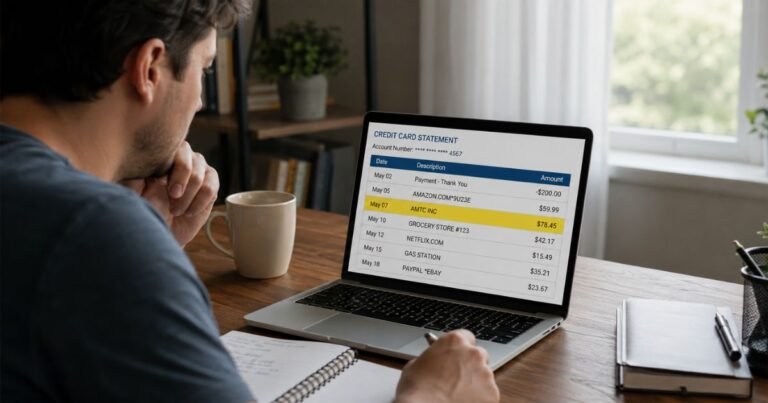
Open your credit card account through the verified app or website. Copy the exact statement descriptor, amount, date, and any merchant location. A short name can hide details that the issuer sees in its full transaction record. Our credit card charges guide explains how to read these entries.
Check whether the entry is pending or posted. A pending authorization can be a temporary hold that disappears or changes at settlement. If both a pending and a posted line appear, do not assume two completed charges without checking their status.
Search your receipts and email for the matching amount and date. Ask authorized cardholders whether they recognize the transaction. A legitimate household purchase can look unfamiliar when a business uses its legal name or payment processor.
Two different posted amounts need separate explanations. Look for a second purchase, renewal, adjustment, or refunded transaction. Keep the final statement and any merchant emails together when asking about a billing error.
When the Charge May Be Unauthorized
If you and other authorized users cannot explain a posted payment, contact the bank using the number on the card. Ask for the full merchant identity and report possible unauthorized use promptly. Avoid calling a number sent to you in an unexpected text message.
Ask whether the issuer recommends locking or replacing the card and changing relevant account passwords. Protecting your account does not automatically cancel a real subscription or recurring contract you already agreed to.
For many credit card billing errors, the CFPB says you should send written notice within 60 calendar days after the first statement containing the error was sent. Follow the issuer’s designated billing-error address, which may differ from its payment address.
Save the dispute case number, copies of statements, receipts, and support responses. A chargeback is an investigation, not a guaranteed refund. Continue paying any undisputed balance under the card’s terms.
How to Avoid Future Statement Surprises
Enable purchase alerts if your card issuer offers them. A notification near checkout may help you remember which business you used even when the later descriptor is abbreviated.
Keep a searchable folder of order confirmations and recurring-payment notices. Include the seller’s legal billing name, amount, purchase date, and renewal date when available.
Cancel a real ongoing plan through the service or billing platform that controls it. Removing an app or changing the payment card alone may not terminate the agreement or erase a balance owed.
Do not give full card numbers, verification codes, or passwords to a third-party charge-lookup service. Use merchant account pages and the issuer’s secure customer support tools instead.
What Is Verified, and What Needs Confirmation
VetMedux publicly offers veterinary clinical resources and professional education content. That confirms its business category but does not show the plan, product, or merchant details for your specific card payment.
See VetMedux’s official website for the company or payment process discussed here. You can also consult the CFPB billing-error guide for formal dispute steps. An online article cannot verify the transaction in your individual card account.
FAQs On VetMedUX
Q: Is VetMedUX a veterinary clinic charge?
A: The VetMedux business provides professional education and reference tools; the descriptor alone does not prove an animal clinic billed you.
Q: Could VetMedUX be a subscription?
A: Possibly. Compare the charge with veterinary resource invoices and any active plan in your account.
Q: How do I stop a VetMedux renewal?
A: Find the actual product and billing account, follow its cancellation process, and save written confirmation.
Q: What if I am not a veterinary professional?
A: Check other authorized users and request the issuer’s complete merchant record. Report the payment if nobody approved it.
Conclusion
VetMedUX charge on credit card statements should be matched with a documented purchase or account history. The correct next step is identifying the product and account, rather than treating every veterinary-related name as a clinic bill.
Start with the merchant’s verified tools and any receipts you have. If nobody authorized the transaction, contact your credit card issuer promptly and keep records of the investigation.
Disclaimer: This article is for general information only, not financial or legal advice. Merchant terms and card issuer policies vary, so confirm account-specific questions with the business or your bank.