What is Game Gabble Charge on Credit Card?

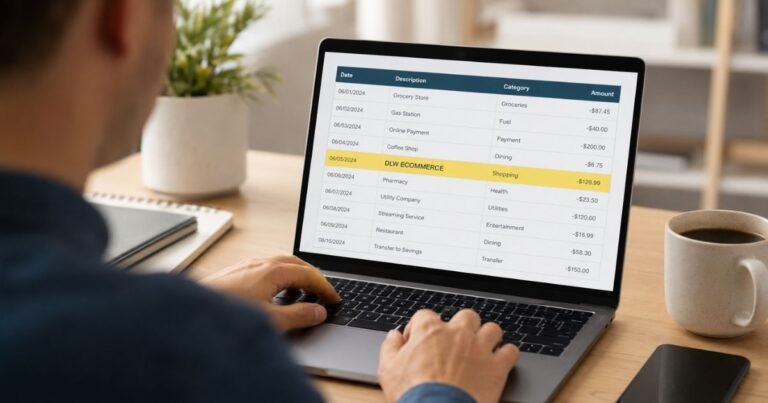
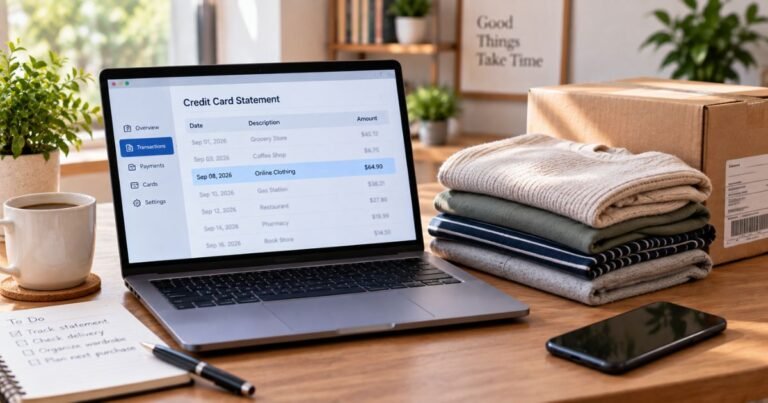
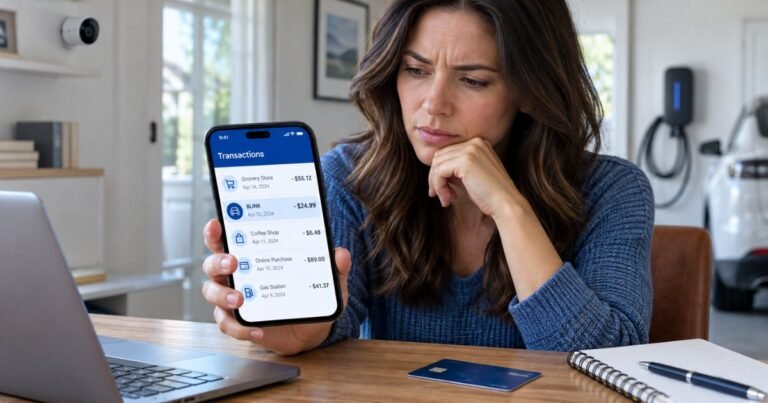
You check your credit card statement and notice a charge labeled “Game Gabble,” “GAME GABBLE,” or something very close. It does not match any store or service you clearly remember, so the natural question is whether it is legitimate or a problem.
Unfamiliar gaming-related names appear often because many apps, board games, community platforms, and payment processors use short or branded descriptors.
This article walks through the most likely explanations, how to confirm the charge, and the practical steps that protect your money.
Quick Answer
A Game Gabble charge on credit card is most often linked to a gaming purchase, subscription, or board-game sale rather than a major mainstream retailer.
It may come from the Gabble party game, a small gaming community or app, or a payment descriptor used by a related service.
Match the date and amount to recent activity first, then contact the merchant or your card issuer if it remains unexplained.
What “Game Gabble” Usually Refers To
Public records and product listings point to a few real sources that can produce a similar name on statements.
One common match is the physical board game Gabble (also sold as Games 2 Go Gabble or Outset Media Gabble). It is a fast-talking team guessing game sold through retailers such as Amazon and specialty toy stores.
Purchases can post under the publisher name, the seller, or a shortened product descriptor.
Another possibility is a gaming community site called Game Gabble (gamegabble.com). The platform describes itself as a place for gamers to connect, share news, and join groups.
At the time of writing it does not publicly advertise paid subscriptions, yet smaller community or content sites sometimes process one-time or membership charges under their brand name.
A separate app called Gabble focuses on live video debates and has features that involve tickets or cash elements. In-app purchases or related billing can appear under variations of the app name.
Older listings also mention a real-money gaming platform once called Gabble Game that has since shut down. Residual or processed charges from legacy accounts occasionally surface under similar names.
Because merchant descriptors are limited in length, the exact wording on your statement can be abbreviated or slightly altered by the card network.
Why the Name Looks Unfamiliar
Credit-card networks limit the number of characters that appear on a statement. Companies often use a legal entity name, a brand nickname, or a processor label instead of the friendly storefront name you saw at checkout.
Gaming purchases are especially prone to this. In-app buys, digital downloads, party-game orders, and small community platforms frequently post under short or branded descriptors.
The same pattern appears with many other game-related charges that people later search for online.
Is the Charge Fraudulent?
Most of the time the answer is no. The charge usually matches a real purchase of a board game, digital item, or membership that the cardholder or someone in the household authorized.
Still, treat every unrecognized line as something that needs checking. Children sometimes make in-app purchases without fully understanding they spend real money. Forgotten free trials can convert to paid plans. Stolen card details remain a real risk.
Step-by-Step What to Do Next
1. Note the exact date, amount, and full descriptor.
Write them down or take a screenshot. Small differences in spelling or extra letters matter when you search later.
2. Search your email and order history.
Look for receipts from Amazon, game stores, app stores, or any gaming community you joined around that date.
3. Think about recent activity.
Did anyone in the household buy a party game, join a gaming group, or try a new debate or social app?
4. Contact the possible merchant.
If you identify a board-game purchase, reach the retailer or publisher. For an app or community site, use the support contact listed on their website or in the app store listing.
5. Check for recurring billing.
Log into any gaming or app accounts linked to the card and look for active subscriptions. Cancel anything you no longer want.
6. Dispute with your card issuer if needed.
If you cannot confirm the charge and the merchant does not respond or refund, call the number on the back of your card. Most issuers limit liability for unauthorized charges and will investigate. Provide the date, amount, and any communication you already had.
Common Situations That Produce Similar Charges
- Buying the physical Gabble board game online or in a store.
- In-app purchases or ticket systems inside debate or social gaming apps.
- One-time or membership fees on small gamer community platforms.
- Residual processing from older real-money gaming sites that have closed.
- Family members or children making digital game purchases on a shared card.
How to Reduce Future Surprises
- Turn on transaction alerts in your banking app so you see charges the same day.
- Use parental controls or require a password for every in-app purchase.
- Prefer prepaid cards or gift cards for gaming accounts when possible.
- Review statements weekly instead of waiting for the monthly bill.
- Keep a simple note of recent digital or board-game purchases until the statement arrives.
When to Act Quickly
Contact your bank the same day if the amount is large, multiple similar charges appear, or you notice other unfamiliar transactions at the same time. Early reporting improves the chance of a full recovery and lets the issuer block further use if the card was compromised.
FAQs On Game Gabble Charge on Credit Card
Can I get a refund for a Game Gabble charge I do not recognize?
Yes. First try the merchant or platform support. If they cannot help or the charge is unauthorized, file a dispute with your credit-card issuer. Most issuers follow federal rules that limit your liability and require them to investigate.
Is Game Gabble a major payment processor?
No. Unlike large processors that routinely appear under one consistent name, Game Gabble matches smaller product, app, or community brands. That is why the descriptor can feel more obscure.
Could this be an in-app purchase my child made?
It is possible. Many free-to-play and social games allow quick purchases once a card is stored. Check device purchase history, app-store accounts, and any shared family settings.
What if the charge keeps appearing every month?
That usually signals a subscription. Cancel it inside the relevant app or website account, then confirm the cancellation with the company. If the charges continue, dispute them with your card issuer and ask them to block future attempts from that merchant.
Conclusion
A Game Gabble charge on credit card most often traces back to a board-game purchase, a small gaming community or app, or a related digital transaction rather than a large household-name retailer. The unfamiliar wording is common with gaming descriptors.
Start by matching the date and amount to recent activity, search your email and accounts, and contact the likely merchant. If the charge remains unexplained, dispute it promptly with your card issuer.
Regular statement checks and simple parental or spending controls prevent most of these surprises from becoming problems.
Disclaimer: This article is for general information only and does not constitute financial, legal, or fraud advice. Merchant names and descriptors can change. Always verify charges directly with your card issuer and the company involved. Transaction details and company status may differ by region and over time.