What is DLW Ecommerce Charge on Credit Card?

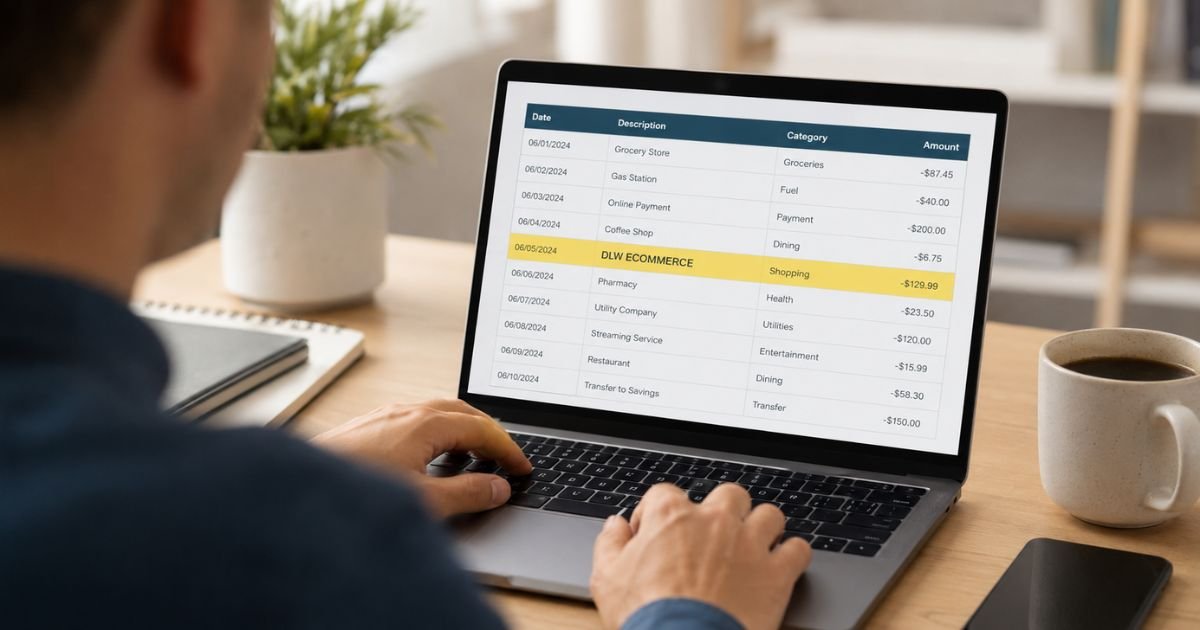
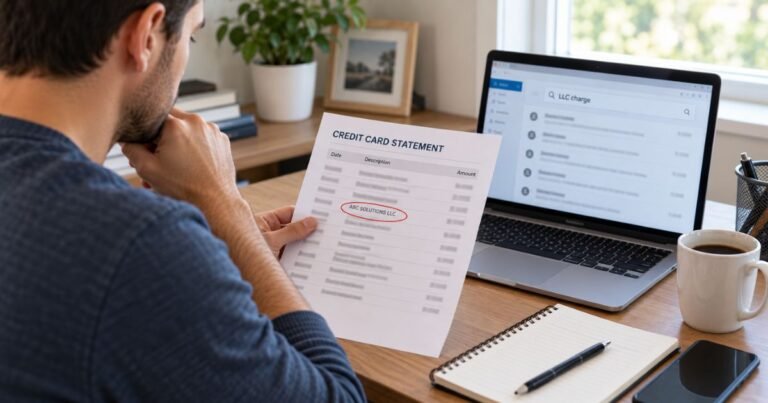
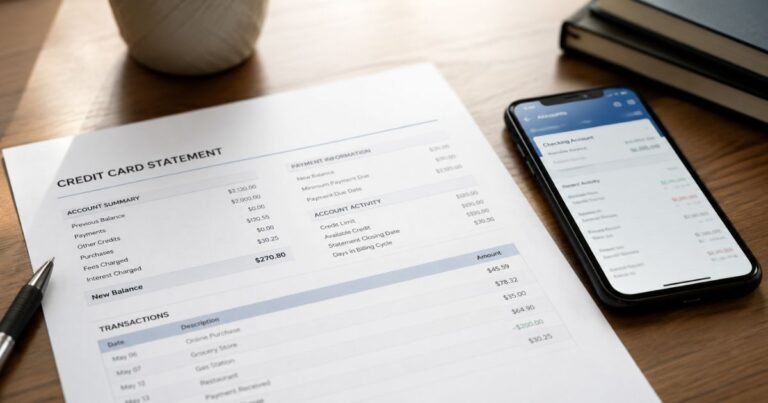
You check your credit card statement and see a charge labeled DLW Ecommerce or DLW ECOMMERCE. The name does not match any store you remember shopping at, so it raises questions.
This descriptor is linked to online payment processing rather than a single well-known consumer brand. Understanding what it represents helps you match it to a real purchase or take action if it looks unauthorized.
Here is a clear breakdown of what the charge usually means and the practical steps to take.
Quick Answer
A DLW Ecommerce charge on credit card is typically a legitimate online purchase processed under that merchant name. It is connected to e-commerce payment systems associated with DLW Ecommerce (including an entity in Mexico) and related infrastructure.
The statement often shows the processor name instead of the individual store. Match the date and amount to recent online orders or email receipts first. Contact your card issuer if the charge remains unexplained.
What Is DLW Ecommerce?
DLW Ecommerce refers to a merchant descriptor used for certain online transactions.
Public information links it to DLW Ecommerce SA de CV (based in Durango, Mexico) and operations connected to DLW Fortress, a company involved in infrastructure and hosting that supports e-commerce platforms with real payment processing.
When you buy something from an online store that uses this processing or related systems, the charge can appear on your statement as DLW Ecommerce (or a close variation) rather than the store’s brand name.
This is similar to how other payment processors or platform names sometimes replace the merchant’s familiar name.
It is not a widely recognized retail brand itself. The charge usually represents an actual product, digital item, or service order placed through an online storefront.
Why Does the Charge Appear This Way?
Credit card statements frequently use the legal or processing entity name instead of the customer-facing store name. This happens with many e-commerce setups, marketplaces, and payment gateways.
Possible reasons you see DLW Ecommerce include:
- A one-time purchase from an online store using related payment processing
- A subscription or recurring digital service billed through the same system
- An order placed on a site hosted or processed via infrastructure linked to these entities
The exact product or store is not always obvious from the statement alone, which is why the charge can look unfamiliar.
How to Identify the Specific Purchase
Follow these steps:
- Compare the exact date and dollar amount with recent online orders.
- Search your email (including spam and promotions) for order confirmations, receipts, or shipping notices around that date. Look for unfamiliar store names as well.
- Check browser history, shopping apps, and saved payment methods for recent activity.
- Expand the full transaction details in your banking or credit card app. Look for any extra location, phone number, or reference information.
- Ask household members who share the card whether they made an online purchase.
Most people can match the charge to a real order within a few minutes once they check emails and recent activity.
Is the DLW Ecommerce Charge Legitimate?
In most cases, yes. It represents a real e-commerce transaction processed under that merchant descriptor. There are no widespread reports identifying DLW Ecommerce itself as a scam operation.
Treat any charge as potentially unauthorized only after you have checked your own records and still cannot find a matching purchase. Small or unexpected amounts should still be investigated promptly.
What to Do If You Recognize the Charge
If you find a matching order:
- Contact the original store or seller for questions about the product, shipping, or a refund.
- Use any order number or confirmation email when reaching out.
- If it is a subscription you no longer want, cancel it through the store’s account settings or customer service.
Keep records of the order and any communication.
What to Do If You Do Not Recognize the Charge
- Contact your credit card issuer using the phone number on the back of your card.
- Ask for the full merchant details they have on file (sometimes more information is available on their side).
- Report the charge as unauthorized if you still cannot identify it.
- Request that future charges from this merchant be blocked if appropriate, and consider a replacement card if you suspect your details were compromised.
- Monitor your account for any additional unknown activity.
U.S. credit card rules generally limit your liability for unauthorized charges when you report them promptly. Act within the issuer’s dispute window (often 60 days from the statement date).
Do not share full card numbers or personal details with unofficial websites or random phone numbers found online.
Common Mistakes to Avoid
- Assuming every unfamiliar processor name is fraud without first checking emails and recent orders.
- Ignoring the charge because the amount seems small.
- Calling unverified phone numbers instead of the number on your card.
- Waiting too long to contact the bank, which can make disputes harder.
- Providing sensitive card information to anyone who contacts you about the charge.
Practical Tips
Enable real-time transaction alerts from your bank or credit card app.
Review statements regularly rather than waiting for the full monthly bill.
Keep order confirmation emails in a searchable folder for a few months.
Use virtual card numbers for new or unfamiliar online stores when your bank offers them.
FAQs On DLW Ecommerce Charge on Credit Card
Is DLW Ecommerce a real company?
It is a merchant descriptor linked to e-commerce payment processing entities (including DLW Ecommerce SA de CV). The charge usually reflects a real online purchase rather than a standalone consumer brand.
Why doesn’t the store name appear on my statement?
Many online transactions are processed under the payment platform or legal entity name. The individual store or product brand may not show up.
How can I find out exactly what I bought?
Match the date and amount to email receipts or order history. Your card issuer may also be able to provide additional merchant details.
What if the charge is unauthorized?
Contact your card issuer immediately to dispute it. Report any suspected fraud and monitor your account for further activity.
Conclusion
A DLW Ecommerce charge on credit card is most often a legitimate online purchase processed under that merchant name. It is connected to e-commerce payment systems rather than a single well-known retail brand, which is why the descriptor can look unfamiliar.
Start by matching the date and amount to recent orders and email confirmations. If you recognize the purchase, handle any refund or cancellation through the original seller.
If you cannot identify it, contact your card issuer right away to investigate or dispute the charge. Checking your own records first usually resolves the question quickly and keeps your account secure.
Disclaimer: This article is for general informational purposes only and does not constitute financial, legal, or professional advice. Merchant descriptors and company details can change. Always verify information with your card issuer and official channels. If you suspect fraud, report it promptly to your financial institution.