What is BlueSnap Charge on Credit Card?

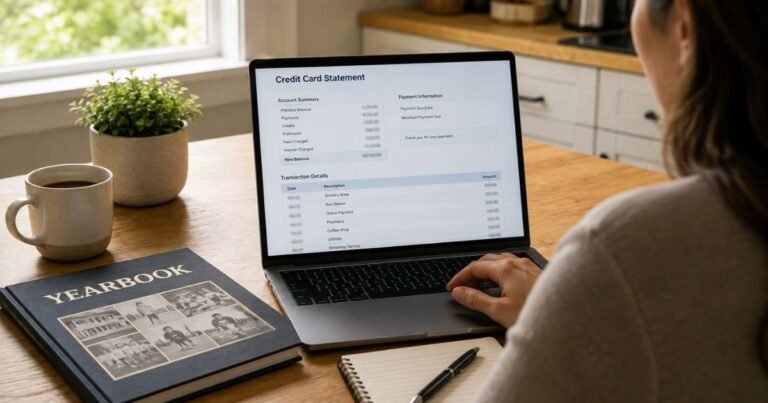
You check your credit card statement and notice a charge labeled BlueSnap, BLS, or BLS*. If you don’t recognize the name, it can feel confusing or concerning.
This guide explains exactly what a BlueSnap charge means, how to identify the real merchant, how to cancel recurring payments, and what steps to take if the charge looks wrong or unauthorized.
Quick Answer
A BlueSnap or BLS charge on credit card means a merchant used BlueSnap’s payment system to process your purchase or subscription. Look for the merchant name or phone number in the full statement descriptor, check your email for receipts, and log into the BlueSnap Shopper Account if available.
What Is BlueSnap?
BlueSnap is a global payment platform (also called a payment gateway or Merchant of Record service). Businesses that sell online use it to accept credit cards, debit cards, and other payment methods.
When you buy something from a merchant that uses BlueSnap, the charge often appears under BlueSnap’s name instead of the store’s name.
This is common with software subscriptions, digital products, online courses, memberships, and many other e-commerce sites.
BlueSnap itself does not sell products to consumers. It simply processes the payment on behalf of the merchant.
Why Am I Seeing a BlueSnap Charge on My Credit Card?
Here are the most common reasons:
Legitimate one-time purchase
You bought something online from a website that uses BlueSnap for checkout. The statement shows BlueSnap because that is the processor, not the store name.
Recurring subscription
Many merchants set up automatic monthly or annual billing through BlueSnap. If you signed up for a trial or membership and did not cancel, the charge continues.
Statement descriptor format
The charge often appears as:
- BLUESNAP
- BLS*
- BLS* MerchantName followed by a phone number
The merchant can customize the text after the BLS* prefix, so the full line usually includes the business name or product and a support phone number.
Pending vs. settled charges
Banks sometimes show temporary authorizations. These can look like multiple charges but usually clear within a day or two once the final amount settles.
Someone else used your card
A family member, shared account, or (in rare cases) unauthorized use can trigger the charge.
How to Identify the Real Merchant Behind the Charge
- Look at the full statement descriptor. Many banks show extra characters such as a phone number or website after “BLS*” or “BlueSnap.”
- Search your email for recent receipts. BlueSnap and the merchant usually send order confirmations that include the product name, amount, and merchant contact details. Check spam and promotions folders.
- Log into the BlueSnap Shopper Account at cp.bluesnap.com using the email address from the order. Some merchants give shoppers access to view orders, update cards, and cancel subscriptions there.
- Note the exact date, amount, and any reference number. These help when you contact support.
How to Cancel a BlueSnap Subscription
BlueSnap processes the payments, but the merchant controls the subscription rules.
Best first step
Contact the merchant directly using the email or phone on your receipt or the statement descriptor. Most subscriptions must be canceled with the seller.
If the merchant uses BlueSnap’s Shopper Portal
- Go to the BlueSnap Shopper Account login page.
- Sign in with the email used for the purchase.
- Find the subscription and select the option to change status or cancel.
- Confirm the cancellation and save a screenshot.
After canceling, monitor your next statement to make sure the charge does not repeat. Some merchants keep billing until the end of the current period even after cancellation.
What to Do If the Charge Is Unexpected or Unauthorized
Start with these steps in order:
- Contact the merchant – Use the details on your receipt or statement. Request a refund or cancellation confirmation in writing.
- Reach BlueSnap Shopper Support – Submit a request through their official shopper support form if the merchant does not respond or the issue involves the payment itself. BlueSnap can help with payment-related questions but does not handle product refunds.
- Call your credit card issuer – Report the charge as unauthorized or disputed. Ask them to block future BlueSnap transactions if you want extra protection. Most banks have time limits (often 60–120 days), so act quickly.
- Secure your accounts – Change passwords for email and any sites that stored your card. Review other recent transactions for anything else unusual.
Keep records of every conversation, email, and screenshot. These help if you need to escalate the dispute.
Common Reasons People Dispute BlueSnap Charges
- Forgotten free trial that converted to paid
- Subscription that was hard to cancel
- Charge from a merchant the cardholder does not recognize
- Double billing or amount that does not match the invoice
- Suspected fraud
Note that some higher-risk merchants (certain digital goods, memberships, or past problematic sellers) have used processors like BlueSnap.
This is one reason unexpected charges sometimes appear. Always verify the actual product or service behind the payment.
Practical Tips to Avoid Future Surprise Charges
- Use virtual credit card numbers or one-time cards for online trials whenever possible.
- Set calendar reminders for free trial end dates.
- Check statements weekly instead of waiting for the monthly bill.
- Remove saved payment methods from accounts you no longer use.
- Prefer merchants that clearly display their own name on statements.
FAQs About BlueSnap Charge on Credit Card
What does BLS or BlueSnap mean on my credit card statement?
It means the payment was processed by BlueSnap for one of its merchant clients. BlueSnap is the payment platform, not the company that sold you the product or service.
How do I find out which company charged me through BlueSnap?
Check the full statement line for a merchant name or phone number, search your email for the receipt, or log into the BlueSnap Shopper Account with the email used at checkout.
Can I get a refund for a BlueSnap charge?
Refunds are handled by the merchant, not BlueSnap. Contact the seller first. If they refuse and the charge is incorrect or unauthorized, dispute it with your credit card company.
How do I stop future BlueSnap charges?
Cancel the subscription with the merchant (or through the Shopper Portal if available). Then ask your bank to block the merchant or BlueSnap if you want an extra safeguard.
Conclusion
A BlueSnap charge on credit card almost always comes from a purchase or subscription processed through their payment system for another company. The key is identifying the real merchant using the statement descriptor, receipt emails, or the BlueSnap Shopper Account.
Once you know who charged you, contact that merchant to cancel or request a refund. Use BlueSnap’s shopper support form or your bank if the issue remains unresolved. Acting quickly and keeping clear records gives you the best chance of resolving unexpected billing.
Always verify details on the official BlueSnap support pages, because processes can change.
Disclaimer: This article is for general informational purposes only and does not constitute financial, legal, or customer-service advice. Payment processors, merchants, and bank policies change over time. Always confirm information directly with BlueSnap, the merchant, and your credit card issuer.