What is Afterpay Charge on Credit Card?

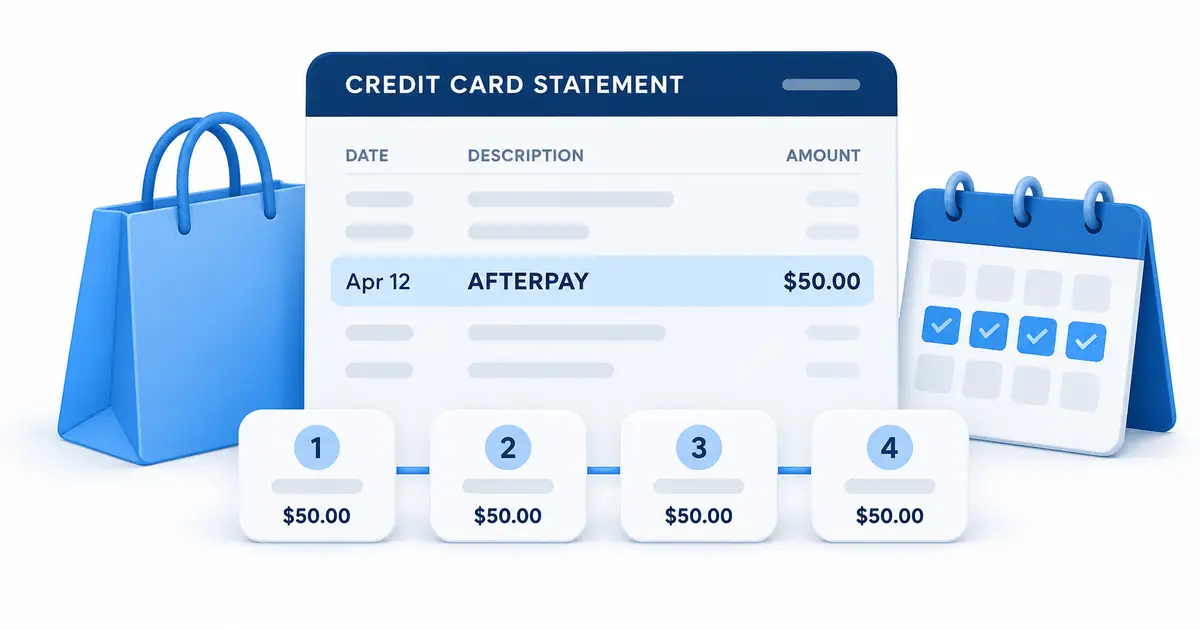
An unfamiliar Afterpay charge on credit card entry can feel confusing when you do not recall making the payment. Many statement labels belong to real purchases, but the name alone does not prove you authorized this transaction.
This guide explains what the descriptor may mean, which records help identify it, and how to stop or dispute a payment when appropriate.
What Is an Afterpay Charge on Credit Card?
Afterpay is a buy-now-pay-later service that lets eligible shoppers divide an eligible purchase into scheduled payments. A card entry showing Afterpay may be an installment rather than a new order placed that day.
A billing descriptor is the short merchant name passed through the card payment system. The displayed name may be shortened or may belong to a payment processor instead of the seller you remember. Compare the full statement entry with a real invoice before drawing conclusions.
Why Afterpay Might Appear on Your Statement
You chose Afterpay at an online or in-store checkout. Check the receipt or account activity that would confirm the purchase rather than treating this possibility as certain.
An installment for an earlier order became due. The posted date can fall after the original checkout, so a same-day search may miss a valid match.
You had several Afterpay orders with payment dates near each other. An authorized user can explain an unfamiliar transaction without suggesting that your card was stolen.
A saved card was used for automatic or manually scheduled repayment. If you cannot match the amount and merchant record, ask your issuer to identify who actually received the payment.
How to Verify a Afterpay Payment
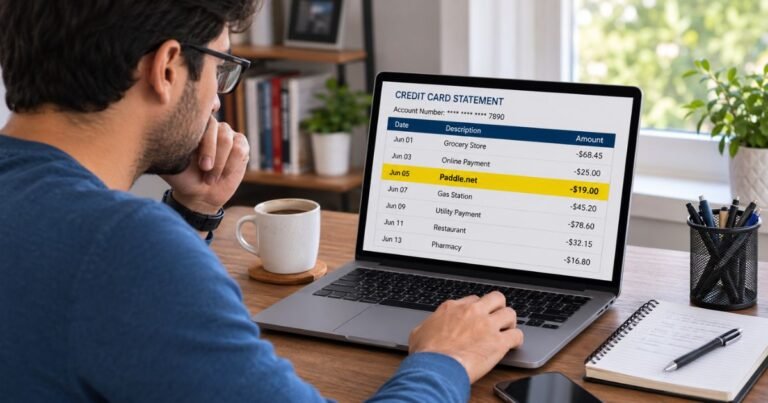
Open your card app and write down the complete description, amount, currency, and date. Also note whether the item is pending, posted, refunded, or reversed. Those details help you avoid reporting the wrong payment.
Review your Afterpay orders and payment schedule. Use the statement amount as your starting point, but allow for a different purchase and posting date.
Compare each installment amount with its original retail order. Check both the main account and any older email address that could have received the original receipt.
Check which saved payment card is being charged. Look for the actual invoice number, item, or payment schedule rather than relying on the brand name alone.
Look at payment history for changes, refunds, and any missed payments. Keep a copy of the supporting record if you find a likely match; it will help if you need a correction.
Why the Merchant Name May Look Different
Banks often shorten the text that identifies a payment. Some entries include a website, a payment company, a location, or a transaction reference instead of the storefront name. Your issuer may have more detail than its mobile app displays.
A familiar dollar amount is only a clue. Compare the seller, last four card digits, receipt reference, and date together. If several household members use the card, check authorized purchases privately.
Afterpay payment-method eligibility, card acceptance, and late-fee rules vary by location and order. Returns often need to be processed through the seller and reflected in the installment plan before you assume future payments have stopped.
Pending Holds, Double Charges, and Posting Dates
A pending authorization reduces available credit temporarily but may never become a final sale. A completed charge is different because the merchant has submitted it for settlement. Check both entries before assuming you paid twice.
Some merchants first authorize one amount and later post a final amount. Processing delays, exchange rates, or taxes may also change what you see. Ask the merchant or issuer for a transaction breakdown rather than guessing at a fee.
If both entries settle and no receipt explains them, keep screenshots of both transaction details. Ask the merchant whether there was a duplicate submission. Your issuer can explain the dispute process if the merchant cannot fix it.
How to Stop Future Afterpay Charges
Determine whether this was a one-time purchase or a recurring arrangement. Similar amounts on different dates can suggest repeat billing, but only the agreement or merchant records can confirm an active subscription.
A missed installment or canceled shopping order does not automatically erase what remains owed. Follow the actual repayment agreement and confirm adjustments in your account.
For a legitimate subscription, cancel through the verified account or company’s support channel and save the confirmation. Removing an app or replacing a card may not end a valid billing agreement. Check the effective cancellation date and any remaining balance.
How to Request a Refund or Correction
When you recognize the company but the amount is wrong, contact the seller with the receipt and transaction date. Explain the exact problem, such as an unwanted renewal, duplicate billing, or missing service. Avoid sending your complete card number by email.
A canceled membership and an approved refund are not the same thing. The seller’s contract, refund policy, and consumer-protection rules determine the options available. Ask for a written response and watch for the actual account credit.
If you paid through an intermediary, ask whether the product seller or the processor handles the request. A processor’s name on the statement does not automatically mean it controls the product or cancellation. Keep the invoice reference and all support messages.
What to Do if You Never Authorized the Charge
If no receipt or authorized card user explains the payment, contact the credit-card issuer promptly. Use the phone number on the card or the bank’s own app. Ask about protecting the account and disputing the transaction.
Review other recent activity for unfamiliar small payments and repeated billing. Change passwords on affected services and enable transaction alerts if possible. Do not give anyone a banking verification code to investigate a mystery charge.
For many qualifying U.S. credit-card billing errors, written notice should reach the issuer within 60 days after it sent the first statement showing the error. A call is useful, but written notice may be needed to protect your rights. Keep paying amounts you do not dispute.
Helpful Related Guides and Official Support
To compare other statement labels and next steps, read another installment billing example, how to handle unwanted payments. These topics may look similar but do not necessarily involve the same merchant or the same payment agreement.
For account-specific guidance, consult Afterpay’s official help center. Use official support pages directly rather than entering sensitive card information on a search-result website. Review any instructions for your particular account and location.
FAQs On Afterpay Charge on Credit Card
Q: Is a Afterpay charge always fraudulent?
A: No. Afterpay can be associated with a legitimate purchase or account entry, but the descriptor alone cannot prove authorization. Check your own receipt and ask the issuer for merchant details if needed.
Q: Can a Afterpay transaction repeat?
A: It depends on the seller’s arrangement and the service you used. Check transaction dates, order history, and any active membership or payment schedule before assuming a subscription.
Q: How can I identify the exact Afterpay payment?
A: Compare the full description, amount, date, receipt, and linked account. If none matches, use the verified company’s support channel or your issuer’s merchant-identification help.
Q: What if I do not recognize or approve the charge?
A: Report it promptly to your card issuer through an official contact method. Ask about a dispute and account protection, then save the case number and later statements.
Conclusion
A Afterpay charge on credit card is easier to understand when you compare the full descriptor with a real order, invoice, or account record. Do not assume the name alone identifies the exact item or proves fraud.
If you cannot explain the transaction or believe it was unauthorized, act promptly through verified support or your card issuer. Save the outcome and monitor your next statement.
Disclaimer: This article is for general information, not financial or legal advice. Policies and deadlines may vary by issuer and country. Verify account-specific questions with the merchant or your bank.