What is 702 SW 8th St Charge on Credit Card?

A 702 SW 8th St charge on credit card statements can look like an unknown address instead of a business. That street address was Walmart’s former corporate headquarters in Bentonville, Arkansas, and it can be a clue when checking Walmart-related purchases.
Walmart moved its headquarters to 1 Customer Drive in May 2025, so the old address should not be presented as its current headquarters. This guide explains what to check in your orders, subscriptions, and pending transactions before deciding whether the payment is yours.
What Is a 702 SW 8th St Charge on Credit Card?
Other statement entries show an address rather than a retail name. Our 2711 Centerville Road guide explains why an address cannot identify every seller.
702 SW 8th Street, Bentonville, Arkansas, was Walmart Inc.’s principal executive office for years. Walmart’s May 15, 2025 filing states that it moved its headquarters to 1 Customer Drive, so 702 SW 8th St is now a historical corporate-address clue.
Some payment statements may use an address or corporate billing location rather than the website or store name you recognize. When Walmart or Bentonville appears alongside the address, Walmart order history is a logical first check.
An address alone cannot prove whether the payment was a Walmart.com order, a membership renewal, or another merchant using similar location information. Ask the issuer for the full merchant record.
If your charge is related to Walmart, the amount may reflect a completed order, an adjusted final total, a separate membership, or a pending authorization. The actual order and payment status determine what you owe.
Why a Walmart Payment Could Include This Address
You may have ordered merchandise through Walmart.com or the Walmart app. Some card statements display corporate or processing details rather than the name of the local pickup store.
A pickup or delivery order can result in a temporary bank authorization before the final charge. Walmart says the final total is normally charged once an order is picked up, delivered, or shipped.
If your groceries include items sold by weight or substitutions, the authorized amount may differ from the final total. Check whether the statement line is a temporary hold rather than an extra purchase.
A Walmart+ membership or related membership add-on can have separate billing and a renewal date. Check the actual membership settings before assuming a card line is an ordinary product order.
If another authorized cardholder bought something from Walmart, the charge can appear even when you never traveled to Bentonville. The corporate-address clue does not mean the person visited Arkansas.
How to Check Walmart Purchase History
Open Walmart.com or the Walmart app using an account you control and review Purchase History. Compare the order total, date, card, delivery method, and any adjustments with the posted transaction.
Check emailed order confirmations and receipts for the same amount. Your final order may include substitutions, items priced by weight, bag fees, or changes to the number of products delivered.
If you use Walmart+, review membership billing separately. Walmart’s own help center says Walmart+ and some add-on subscriptions can appear as separate card charges.
Look at any credits from canceled, returned, or unavailable items. A refund or adjustment may be posted separately rather than simply erasing the original line.
If you do not see a matching purchase, check other authorized Walmart accounts or use the company’s official support chat. Do not provide card credentials to a random site claiming to trace an Arkansas address.
Pending Holds, Tips, and Final Amounts
Walmart’s official help explains that an order estimate can create a temporary authorization hold. The bank releases the hold according to its policies after the final order processing.
The final amount may change with weighted products or substitutions. A pending hold higher than your delivered goods total is not necessarily a completed overcharge.
A tip or service-related adjustment can produce an amount that differs from the original cart estimate. Match the final receipt and payment history before assuming a separate transaction is fraudulent.
If two similar entries appear, check their statuses. Two posted charges require closer investigation, but a pending authorization and a settled payment can reflect one order.
Walmart says some canceled orders still show a temporary hold until the bank releases it. If you see no matching order and the charge is posted, contact the issuer promptly.
Walmart+ and Unauthorized Charge Checks
A recurring Walmart+ entry should be compared with the membership plan and next renewal date shown in your Walmart account. The statement may not literally say 702 SW 8th St every time.
To stop a legitimate membership, use Walmart’s official membership settings and retain the cancellation confirmation. Canceling after a completed renewal does not automatically establish refund eligibility.
Walmart’s support page for unrecognized charges directs customers to its official chat and recommends notifying the bank or card issuer. It also advises reviewing account security when a card may have been compromised.
If the payment does not match any account, change compromised passwords as advised by Walmart and ask your issuer whether replacement or transaction blocking is necessary.
Do not assume that the Walmart connection proves authorization. A merchant’s real address and a legitimate brand can still appear on a purchase made by someone who was not allowed to use your card.
How to Read the Charge in Your Bank Account
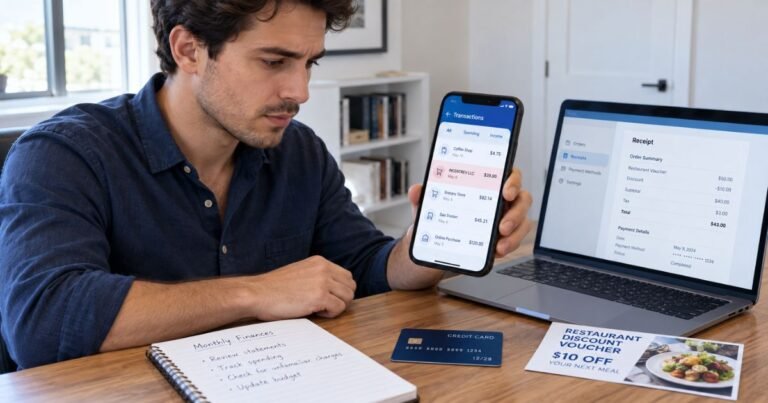
Open your issuer’s secure mobile app and tap the transaction for more details. Record the exact descriptor, date, total, and any merchant location. A shortened statement name cannot establish which product, appointment, or order created the amount.
Check whether the bank marks the transaction as pending or posted. An authorization may be temporary and may not become a final settled payment. One pending entry and a later posted charge do not always mean two purchases.
Compare your receipts, order histories, email confirmations, and approved card users. Your household may have used the card with permission even when you personally do not recognize the charge.
If two completed charges appear, compare the amounts and transaction references. They could reflect separate purchases or an actual billing error. Request an itemized explanation instead of immediately assuming fraud.
What to Do If the Payment Was Not Authorized
Call your issuer using the phone number printed on your credit card or the secure banking app. Ask the bank to identify the full merchant of record and explain why you believe the payment was not approved.
If you suspect fraud, ask whether you need to lock the card, replace it, or change account passwords. Do not give your entire card number or verification codes to a stranger claiming to remove an unfamiliar charge.
According to the CFPB, many credit card billing errors require written notice within 60 calendar days after the issuer sent the first statement with the error. Follow your issuer’s instructions and designated billing-error address.
Keep the statement, receipt searches, emails, and case number. Paying the undisputed portion of your balance may still be required. A dispute does not guarantee a credit or automatically cancel a legitimate ongoing agreement.
How to Prevent Future Unrecognized Payments
Enable transaction alerts if your card provider offers them. An immediate notification can help you connect the description with something you recently paid for.
Keep online receipts, booking confirmations, renewal reminders, and cancellation messages in a searchable folder. Record both the brand name and the legal name when the invoice shows them.
Check saved payment cards and renewals in accounts you control. If you need to stop a real subscription, use the verified billing system rather than assuming deleting an app or replacing a card cancels it.
Use only the official merchant support site or your bank’s secure channels when investigating. Avoid third-party charge lookup services that demand your full payment credentials.
Official Information and Limits
Walmart’s May 15, 2025 SEC filing confirms that 702 S.W. 8th Street was its former principal executive office and that the headquarters moved to 1 Customer Drive in Bentonville, Arkansas. The old address is a clue, not proof of a particular charge.
The relevant primary source is Walmart’s May 2025 SEC filing announcing its headquarters move. For credit card dispute procedures, see the CFPB’s billing-error explanation. Neither source can confirm the specific cardholder responsible for your transaction.
FAQs On 702 SW 8th St
Q: Does 702 SW 8th St belong to Walmart?
A: Walmart’s SEC filing confirms it was the company’s former headquarters address in Bentonville. The headquarters moved in May 2025.
Q: Is the address proof of a Walmart.com purchase?
A: No. It is a useful clue, but your bank’s merchant record and Walmart Purchase History are needed to match the transaction.
Q: Why is the pending amount higher than the order?
A: Walmart says estimated holds can account for substitutions, weighted items, and other adjustments before the final total is charged.
Q: What if I have no Walmart order matching the charge?
A: Check authorized users and membership billing, then contact Walmart through official support and report unauthorized use to your issuer.
Conclusion
A 702 SW 8th St charge on credit card statements should be matched with your own receipt and bank transaction status. The historical Walmart address narrows the search, but your order and issuer details are needed to determine whether the payment was authorized.
Check the service or merchant account you actually control, then ask your issuer for help if the payment remains unrecognized. Report any unauthorized use promptly.
Disclaimer: This article is for informational purposes only, not financial or legal advice. Company policies and card issuer procedures may vary, so verify account-specific questions with the company or your bank.