What is Box Bootcamp Charge on Credit Card?

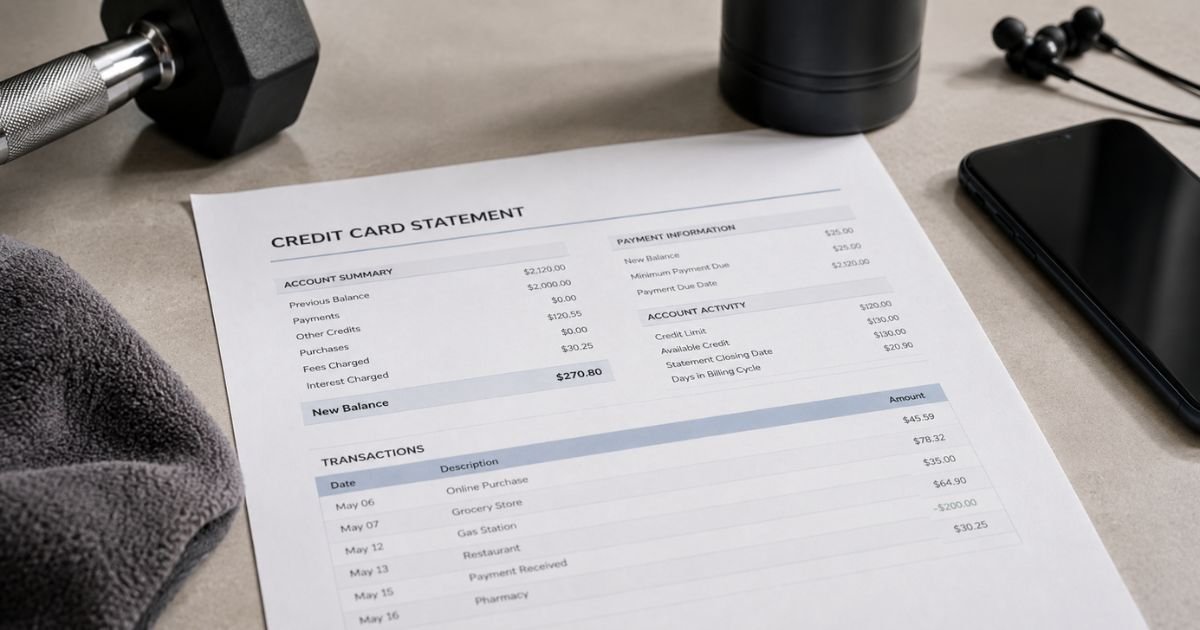
You check your credit card statement and notice a charge labeled Box Bootcamp or something similar. You do not remember signing up for a fitness class, online course, or subscription with that name. The surprise can feel unsettling.
This guide explains the most common reasons a Box Bootcamp charge appears, how to identify the exact source, and the practical steps to stop future billing or dispute the charge.
Quick Answer
A Box Bootcamp charge on credit card is usually tied to a fitness class, online training program, or digital course. It may appear under names like Box Bootcamp, BOXBOOTCAMP, or a similar variation. Check recent emails and your account history first.
If you do not recognize it, contact the merchant if possible and dispute the charge with your bank. Some related websites have low trust scores, so act quickly.
What a Box Bootcamp Charge Usually Means
Credit card statements show the merchant name registered with the payment network. When the name includes “Box Bootcamp,” it most often points to one of these:
- A fitness or boxing-style bootcamp class or membership
- An online course about starting a subscription box business (sometimes called Subscription Box Bootcamp)
- A digital product or training program sold through a third-party processor
Some users searching this exact phrase report charges linked to websites that independent checkers have flagged with low trust scores. One site, box-bootcamp.com, has received negative reviews and a caution rating from scam-checking tools.
The charge itself is not always fraudulent. Many people sign up for free trials or short programs and later forget the billing details. The key is to verify the source quickly.
How the Charge May Appear on Your Statement
Banks limit the length of merchant names, so the exact wording varies. Common patterns include:
- BOX BOOTCAMP
- BOXBOOTCAMP
- BOX BOOTCAMP * or similar suffixes
- A combination with a city, processor name, or short code
The amount can range from a one-time class fee to a recurring monthly membership. Look at the date and dollar amount. Matching those details against recent emails or account logins is the fastest way to confirm legitimacy.
How to Identify the Exact Source of the Charge
Follow these steps in order:
- Search your email inbox (including spam) for “Box Bootcamp,” “bootcamp,” or the exact amount charged. Look for receipts, welcome messages, or cancellation links.
- Check any fitness or course platforms you have used in the past 30–60 days.
- Log into your credit card account online and click the charge for more details if available. Some issuers show the full merchant descriptor or a phone number.
- If the charge came through a known processor, use that company’s lookup tool with the amount, date, and last four digits of your card.
If nothing matches, treat the charge as unrecognized and move to dispute steps.
Steps to Cancel a Legitimate Box Bootcamp Subscription
If you confirm the charge is for a real service you signed up for:
- Locate the original confirmation email and use any “manage subscription” or “cancel” link.
- Visit the company’s website and log into your account. Most fitness and course platforms offer self-service cancellation.
- Contact their support with your order number, email, and the last four digits of the card.
- Request written confirmation that billing has stopped.
Keep screenshots of every step. Cancellation usually stops future charges but does not always produce an automatic refund for the current period.
What to Do If the Charge Is Unauthorized
Unauthorized charges require faster action.
- Contact your bank or credit card issuer the same day. Report the charge as unauthorized and ask them to block further transactions from that merchant.
- Request a formal dispute or chargeback. Provide the date, amount, and any evidence that you did not authorize it.
- Change passwords on email and any fitness or course accounts that share the same login details.
- Monitor your statement for additional activity over the next few weeks.
Most banks have time limits for disputes, often 60 to 120 days from the statement date. Acting quickly improves your chances of a full refund.
Common Reasons These Charges Appear
- Free trial that converted to paid without a clear reminder
- Shared family card used by someone else
- Recurring membership you forgot to cancel
- Purchase made through a third-party payment processor that uses a different name
- In rare cases, compromised card details used for a fitness or digital product sale
Fitness-related charges are common because many studios and online programs rely on recurring billing. Always read the fine print on free trials.
Practical Tips to Avoid Surprise Fitness and Course Charges
- Use a virtual card or prepaid card with a low limit for free trials.
- Set calendar reminders a few days before any trial ends.
- Keep a simple list of active subscriptions with the email used and next billing date.
- Prefer paperless statements so you can search them quickly by keyword.
- Review your credit card activity weekly instead of waiting for the monthly statement.
These habits catch most unexpected charges before they become a bigger problem.
When to Be Extra Cautious
Independent site checkers have flagged certain domains connected to “Box Bootcamp” searches with low trust scores and negative user feedback.
If a website pressure you into entering card details for a “limited-time” fitness program or online course, pause. Legitimate companies make it easy to find contact information, clear cancellation policies, and customer support.
If you already paid and the company is unresponsive, your bank dispute process remains the strongest protection.
Conclusion
A Box Bootcamp charge on credit card is most often linked to a fitness class, online training program, or digital course. It can also appear from a source you no longer recognize.
The fastest way to resolve it is to match the amount and date against your emails and account history, cancel any active subscription, and dispute unauthorized charges with your bank right away.
Check your statements regularly, use temporary payment methods for trials, and keep records of cancellations. Clear action keeps control of your card and prevents repeated billing.
FAQs On Box Bootcamp Charge on Credit Card
Is a Box Bootcamp charge always a scam?
No. Many charges come from real fitness programs or online courses. However, some related websites have low trust ratings, so verify the source and contact your bank if you do not recognize the charge.
How do I stop future Box Bootcamp charges?
Cancel through the original company’s account portal or support if possible. Then ask your bank to block the merchant. Save confirmation emails.
Can I get a refund for an unrecognized Box Bootcamp charge?
Yes. Contact your credit card issuer and open a dispute. Provide the date, amount, and any evidence you did not authorize the charge. Act within your bank’s time limit.
Why does the charge not show the full company name?
Banks limit the length of merchant descriptors. The name may be shortened or use a payment processor label. The full details are usually available when you look up the transaction online or contact the issuer.
Disclaimer: This article provides general information based on publicly available reports and common user experiences as of 2026. Merchant names and policies can vary. It is not financial or legal advice. Always verify charges with your own statement and contact your card issuer or the merchant for account-specific help.