What is Cofiroute USA Charge on Credit Card?

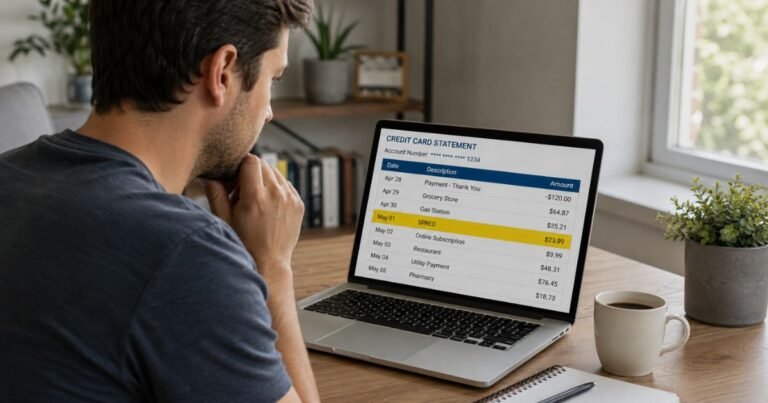
A Cofiroute USA charge on credit card statements may relate to an electronic toll payment or a toll-account transaction. The name is unfamiliar to many drivers because road authorities often use service contractors behind the scenes.
VINCI Highways says Cofiroute USA was combined with TollPlus into ViaPlus, which provides toll services in several US locations. Here is how to match a charge to your vehicle and toll records without guessing a route or fee.
What Is a Cofiroute USA Charge on Credit Card?
For another example of a toll-related statement descriptor, see our ERAC Toll charge guide. It explains how rental-car tolls and separate processing fees may appear on a card.
Cofiroute USA was a toll-services business involved in toll processing, collection, and customer account operations. A 2023 VINCI Highways announcement describes a merger with TollPlus into the ViaPlus business.
That announcement identifies toll-service operations associated with Austin and Tyler, Texas, and California’s 91 Express Lanes. It does not mean every entry labeled Cofiroute USA must be connected to those roads.
A charge may relate to a toll payment, transponder account replenishment, past toll invoice, or administrative charge under the applicable authority’s rules. You need the exact statement record to know which.
Do not infer a fine, a violation, or a particular toll rate just from the descriptor. Toll amounts and collections procedures depend on the road operator, travel history, and payment account.
Why a Toll Contractor Might Bill You
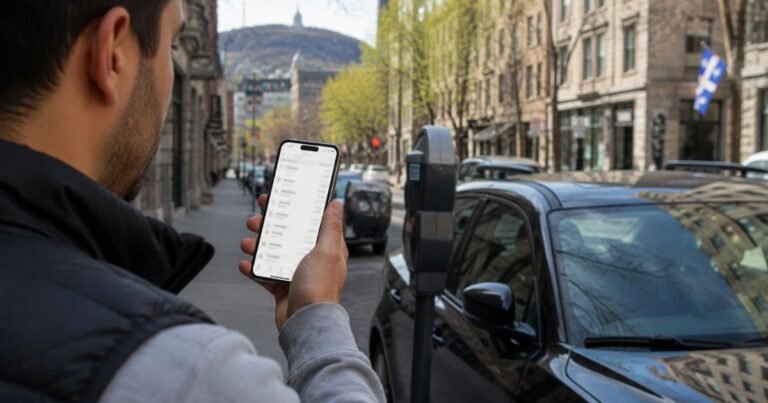
You may have used an electronic toll road where a third-party provider processes customer transactions. The roadway or toll agency you recognize may not be the same name shown on the card.
A toll account may replenish its balance automatically when it falls below a specified level. Check your account’s replenishment history if the amount does not match an individual trip.
An unpaid toll or invoice could be paid later than the travel date. Compare posting dates with the date of service rather than expecting every toll payment on the same day.
A rented or shared vehicle can make toll activity harder to identify. If you drove a rental car, review the rental company’s toll program before assuming a separate charge belongs to the operator.
If no vehicle or account under your control matches, ask the issuer to identify the merchant of record. A similar company name is not proof of an authorized toll.
Find the Road, Date, and Vehicle
Open any toll statement or transponder account you actually use and compare payments with the card amount. Look for the vehicle plate, transponder ID, date of passage, and account balance history.
If a payment appears to be from a Texas authority or California express lane, visit that toll operator’s verified website. Do not assume a single Cofiroute customer portal handles every former account.
Ask the provider to identify the road or invoice linked to your payment. You may need the invoice reference and last four digits of the card rather than your entire account number.
If you use an auto-replenishment feature, compare the amount against the account’s configured refill threshold. A larger account reload may cover several future trips, not just one.
Use care with toll payment texts and emails. Go directly to the toll authority’s official website instead of clicking a short link that demands immediate payment.
Can You Cancel or Dispute a Toll Payment?
You generally cannot cancel a toll that was validly incurred simply because it was processed by an unfamiliar company. You can, however, ask the agency to explain a payment you cannot identify.
If you have recurring automatic replenishment, review the account settings of your toll provider. Disabling a payment method may not eliminate outstanding toll obligations.
If you believe the wrong vehicle was billed, collect plate details, account history, and any proof of the vehicle’s location at the relevant time. Ask the operator about its adjustment or appeal procedure.
A toll violation notice may have its own appeal deadline. Do not treat a credit card dispute as a substitute for responding to an official notice under the authority’s rules.
For an unauthorized card payment unrelated to your toll history, report it to your credit card issuer. A bank investigation addresses card authorization, while the road operator handles toll-account records.
Toll Payment Versus Account Replenishment
An ordinary toll charge can correspond to one road trip or a group of transactions billed together. Your toll account statement is needed to see the underlying activity.
An auto-replenishment is money added to a prepaid toll balance. It may be larger than the price of your most recent road usage, so do not assume the extra amount is an incorrect toll.
Collection or administrative amounts can have separate rules. Ask for the invoice and published fee basis if the charge contains more than the unpaid road toll.
A delayed toll settlement may create a charge after you returned home from travel. Compare the dates and locations rather than focusing only on the day the entry appeared.
Keep copies of toll invoices, rental agreements, and payment confirmations. They help you distinguish valid travel costs from duplicate or unauthorized transactions.
Recognize an Authorization or Duplicate
When a Cofiroute USA charge on credit card accounts first appears, check whether the bank marks it as pending. An authorization may be replaced by a posted charge, sometimes with an updated date or merchant description.
One pending entry and a later posted payment do not always mean you paid twice. If two transactions both post, compare separate invoices or orders before deciding whether the business charged you in error.
Check your account for credits, returns, and split payments. A refund is often shown as its own credit instead of deleting the original line.
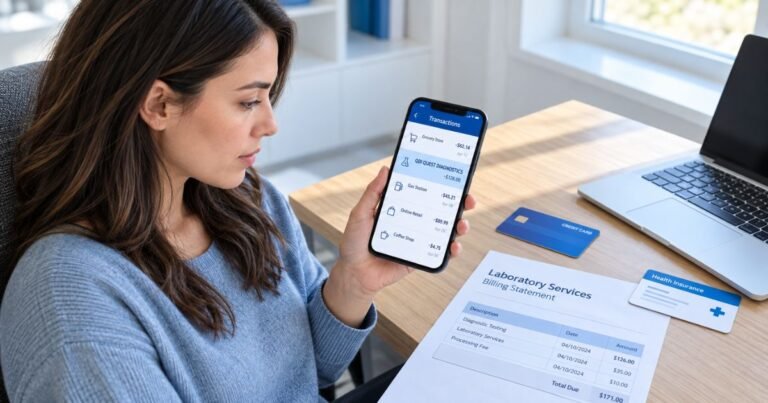
If a charge is incorrect, ask the merchant for an itemized explanation. Keep the invoice and screenshot of the card entry while the details are still available.
What to Do About an Unauthorized Payment
Ask any authorized cardholder or family member whether the amount looks familiar. That quick check can prevent confusing an ordinary purchase with possible fraud.
If you cannot identify the charge, contact your credit card issuer using the number printed on the card. Request the full merchant name and ask how to report an unauthorized transaction.
The bank may advise temporarily locking the card, replacing it, or changing compromised account credentials. Follow your issuer’s security instructions rather than responding to texts from unknown billing agents.
The CFPB says that for many billing errors you should send written notice within 60 calendar days after the issuer sends the first statement showing the error. The billing-error address may differ from the address used for payments.
Keep copies of messages, receipts, cancellation confirmations, and dispute reference numbers. You generally remain responsible for the undisputed portion of your card balance.
Keep Future Statements Easier to Check
Turn on purchase alerts if your bank provides them. You are more likely to recognize a payment descriptor when the notification arrives close to the transaction.
Save your order and subscription confirmations in a searchable folder. Include the amount, date, invoice number, billing account, and any renewal date.
Review other users who can charge the same card. Also check whether your card is saved in digital wallets or online shopping accounts.
Do not share your complete card number or security code with an unfamiliar website that promises to reveal unknown payments. Use official merchant support and the secure account tools offered by your bank.
What Is Verified and What Needs Checking
The ViaPlus/VINCI source establishes the historical Cofiroute USA connection to toll-services operations. It does not identify your particular road, transponder, vehicle, toll amount, or whether you approved the payment.
Consult ViaPlus and VINCI Highways’ toll-services announcement for the relevant company policy. If you suspect a credit card error, the Consumer Financial Protection Bureau explains the formal dispute process.
FAQs On Cofiroute USA
Q: Is Cofiroute USA connected with toll roads?
A: Yes. Cofiroute USA was part of a toll-services business later combined into ViaPlus, according to VINCI Highways.
Q: Why did the charge appear after my trip?
A: Toll billing and card settlement dates may differ. Compare your toll account’s trip and payment history.
Q: Can I dispute a toll charged to the wrong license plate?
A: Ask the toll operator for its adjustment or appeal process and keep vehicle records. The card issuer handles separate unauthorized-card concerns.
Q: What if I never traveled on a toll road?
A: Check shared vehicles, rentals, and authorized card users. Ask your issuer for the merchant record if no legitimate activity matches.
Conclusion
A Cofiroute USA charge on credit card statements should be checked against your own receipts and the merchant’s verified records. Start with toll-account records and the relevant authority rather than guessing which highway created the payment.
If you recognize the transaction but believe its amount is wrong, ask the business to explain it. If nobody authorized the payment, report it through your credit card issuer promptly.
Disclaimer: This article is for information only, not financial or legal advice. Merchant policies and card issuer rules vary, so confirm account-specific questions with the company or your bank.