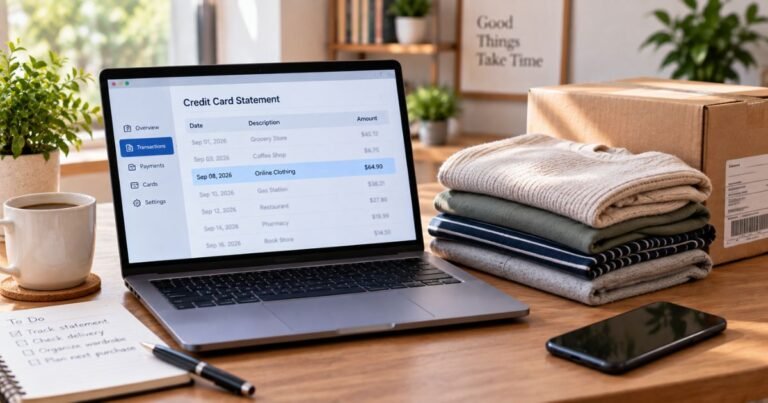
What is CiteTech Charge on Credit Card Statement?

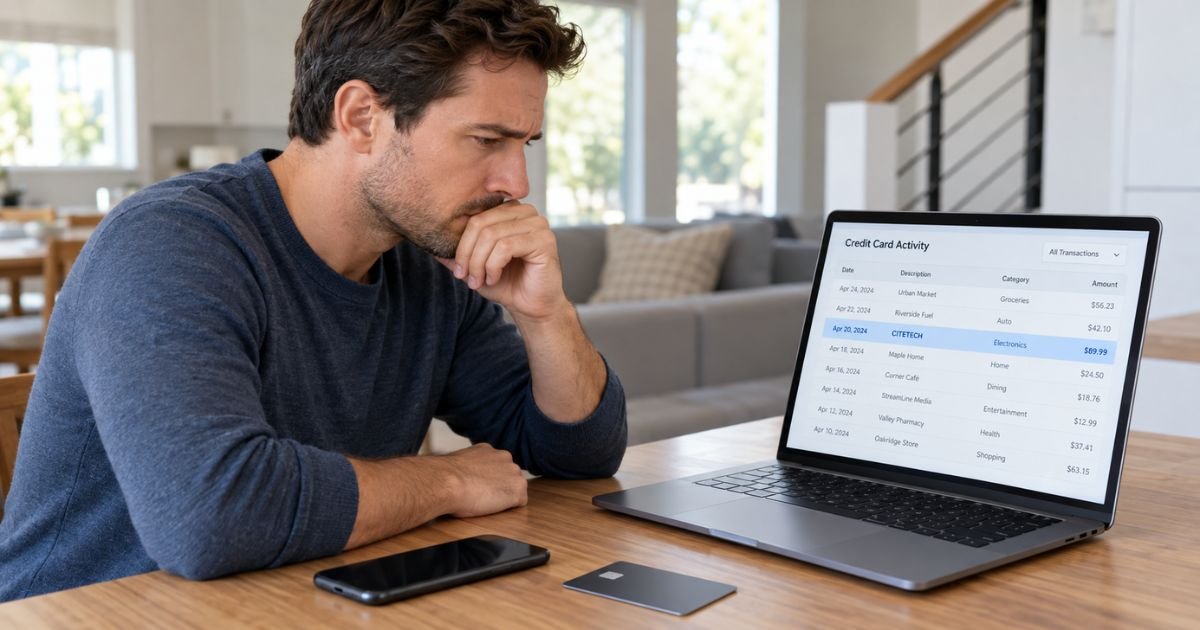
A CiteTech charge on credit card can feel confusing if you don’t remember buying anything from a company with that name. An unfamiliar descriptor doesn’t always mean fraud because the billing name may differ from the website or store you remember.
However, the name “CiteTech” alone doesn’t identify one specific transaction with certainty. You should check the complete statement description, amount, date, and your recent online purchases before deciding what caused it.
What Is a CiteTech Charge on Credit Card?
A CiteTech charge on credit card is generally a transaction processed under a billing descriptor containing CITETECH, CITE TECH, or a similar variation. Public information suggests that several different-looking transactions may use wording involving CiteTech.
One legitimate U.S. business is Cite Technology Solutions LLC, an IT services company in Lafayette, Louisiana. However, that company specifically warns that charges labeled “CITETECH WANCHAI” are not associated with its U.S. business.
This distinction is important. Seeing CiteTech on your statement doesn’t automatically mean you paid the Louisiana company.
What Does CITETECH WANCHAI Mean?
If your statement specifically says CITETECH WANCHAI, you shouldn’t assume it belongs to Cite Technology Solutions in the United States. The U.S. company states that it has received reports about unrelated overseas transactions using a similar name.
“Wanchai” may generally refer to Wan Chai in Hong Kong. However, the descriptor alone doesn’t prove which company actually processed your particular payment.
If you don’t recognize the transaction, you should compare it with your recent online orders. You should contact your card issuer if you still can’t identify it.
What Is CITETECH SUPPORT@BULET?
Some cardholders have also reported statement descriptions such as:
- CITETECH SUPPORT@BULET
- CITETECH SUPPORT@BULET HK
- CITE TECH SUPPORT@BULET
These descriptions have appeared in consumer reports involving online purchases. Some consumers recognized a purchase after checking their order history, while others reported that they couldn’t identify the transaction.
For example, one consumer report connected a CiteTech Support descriptor with an online retail purchase made under a different store name. That doesn’t prove that every charge using the descriptor comes from the same merchant.
The identity behind “BULET” isn’t clearly established through reliable public information. You shouldn’t assume it represents a specific company without checking your transaction details.
Could the CiteTech Charge Be From an Online Purchase?
Yes, it may be. Consumer reports suggest that some CiteTech-related descriptors have appeared after purchases from online stores whose customer-facing names were different from the billing descriptor.
This can happen because the name appearing on your card statement may generally belong to a merchant’s legal entity, payment account, or billing operation rather than the storefront name you remember.
Some consumers have reported recognizing CiteTech charges after reviewing recent purchases from advertisements or unfamiliar online stores. These reports can help explain the descriptor, but they don’t establish the source of every CiteTech transaction.
Is a CiteTech Charge Fraud?
Not necessarily. An unfamiliar billing name doesn’t automatically mean someone stole your card information.
The charge may generally come from a purchase you made under another store name. It could also involve a transaction made by another authorized cardholder.
However, you should take an unexplained charge seriously. If nobody authorized to use your card recognizes it, the transaction may be unauthorized.
You shouldn’t rely only on internet comments to decide whether a charge is fraudulent. Your bank can generally see additional merchant information that isn’t displayed on your normal statement.
How to Verify a CiteTech Charge
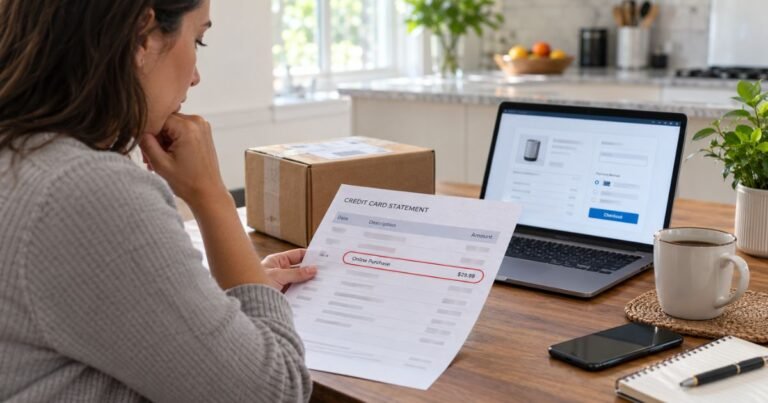
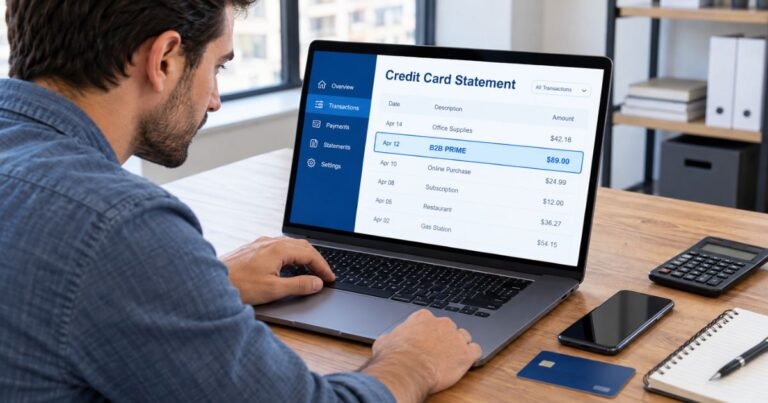
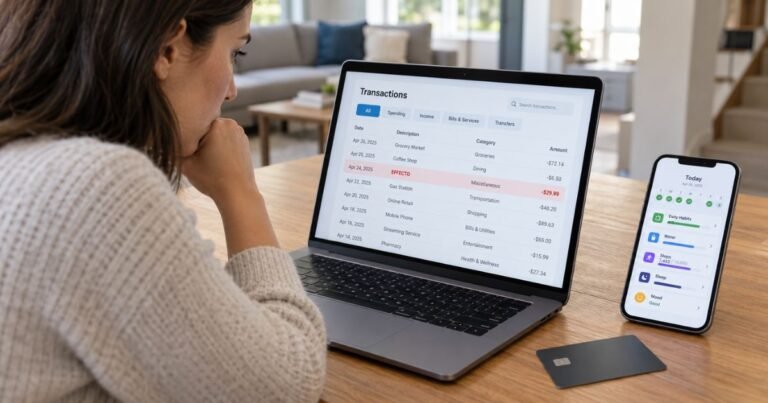
Start with the full transaction details in your banking app or online account. Don’t search only for the word “CiteTech.”
Look for the complete merchant descriptor. It may contain additional information such as WANCHAI, HK, SUPPORT@BULET, or another location or reference.
Then compare the charge with purchases made around the same date.
| Check | What to look for |
|---|---|
| Amount | Does it match a recent online order? |
| Date | Did you shop online around that time? |
| Full descriptor | Does it include Wanchai, HK, Bulet, or other text? |
| Email receipts | Search for orders with the same amount |
| Family purchases | Ask authorized card users |
| Digital wallets | Check PayPal, Apple Pay, or similar services |
You should also search your email for the exact dollar amount. An order confirmation may identify a store whose name doesn’t match the card descriptor.
Check your spam and promotions folders too. Online retailers may send receipts from a different company or domain.
Check Recent Social Media and Online Store Purchases
Think about purchases you recently made after clicking an advertisement on Facebook, Instagram, TikTok, or another website. Some consumer reports involving CiteTech-related descriptors have been associated with online retail purchases.
Look beyond the merchant name. Compare the amount charged with order confirmation emails and shipping notices.
If the amount matches a purchase but is slightly higher than expected, review taxes, shipping, currency conversion, and the final checkout total. If those don’t explain the difference, contact the retailer or your issuer.
What to Do If the Amount Is Wrong
If you recognize the purchase but believe the amount is incorrect, keep your order confirmation. Take note of the advertised total, checkout total, and amount actually posted to your card.
You should generally contact the seller first when you can identify it. Ask for an explanation of the difference and keep copies of any response.
If the merchant doesn’t resolve the issue, your card issuer may let you dispute the incorrect amount. The exact process may vary by issuer.
What to Do If You Don’t Recognize CiteTech
If you can’t connect the charge to any purchase, contact the number printed on the back of your card. Your issuer may be able to provide more information about the merchant.
Tell the issuer that you don’t recognize the transaction. It may ask whether anyone else has permission to use your card.
If the transaction appears unauthorized, your issuer may recommend locking or replacing the card. It may also let you open a dispute.
You should use your bank’s official app, website, or the number printed on your card. Avoid calling a phone number found in an unverified comment or search result.
Should You Lock Your Card?
You may want to temporarily lock the card if the CiteTech charge is completely unfamiliar and your banking app offers that feature. A lock may generally prevent some new transactions while you investigate.
A card lock isn’t the same as reporting fraud. Recurring payments and previously authorized transactions may sometimes still process.
If you believe your card details were stolen, contact your issuer directly. Your bank can tell you whether a replacement card is appropriate.
Can You Get a CiteTech Charge Refunded?
A refund may depend on what caused the charge. If you recognize the merchant but believe you were overcharged, you can generally ask the seller to correct the payment.
If you didn’t authorize the transaction, you may be able to dispute it with your card issuer. Your rights and deadlines can vary depending on the card, transaction type, and issuer.
Don’t assume a refund is guaranteed. Keep receipts, emails, order confirmations, and screenshots that may support your claim.
FAQs On CiteTech Charge on Credit Card
Q: What is CiteTech on my credit card statement?
A: CiteTech is generally a merchant or billing descriptor that may appear on a card transaction. The descriptor alone doesn’t reliably identify one specific company, so you should check the full transaction details.
Q: Is CITETECH WANCHAI the U.S. Cite Technology Solutions company?
A: No, according to Cite Technology Solutions. The Louisiana company specifically states that CITETECH WANCHAI transactions aren’t associated with its U.S. business.
Q: What does CITETECH SUPPORT@BULET HK mean?
A: This descriptor has appeared in consumer reports involving online purchases and unfamiliar transactions. Public information doesn’t clearly establish one verified merchant behind every charge using that wording.
Q: What should I do if I never made the CiteTech purchase?
A: Check your recent orders, email receipts, and purchases made by other authorized card users. If you still don’t recognize the charge, contact your card issuer using the official number on the back of your card.
Conclusion
A CiteTech charge on credit card may be connected to an online purchase made under a different store name, but the descriptor isn’t specific enough to identify every transaction. Charges containing wording such as Wanchai, HK, or Support@Bulet deserve a closer look if you don’t recognize them.
Check your receipts and recent online purchases first. If you still can’t identify the transaction, contact your card issuer and ask it to investigate the merchant details.
Disclaimer: This article is for general informational purposes only and isn’t financial or legal advice. Merchant, dispute, refund, and card policies may vary by issuer. Verify account-specific questions directly with the merchant or your bank.