What is AWX Ussofeel Charge on Credit Card?

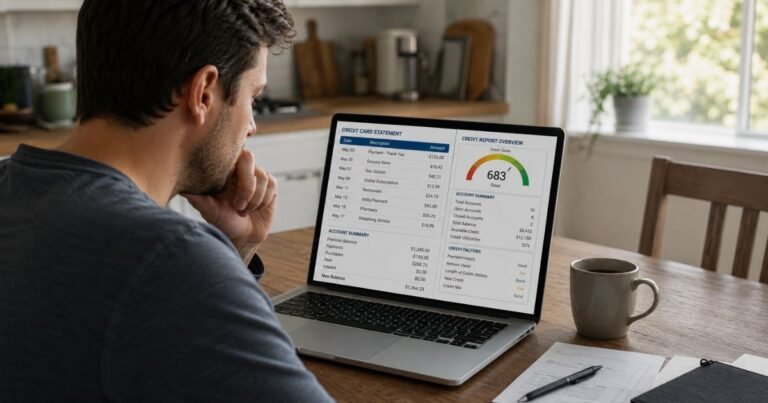
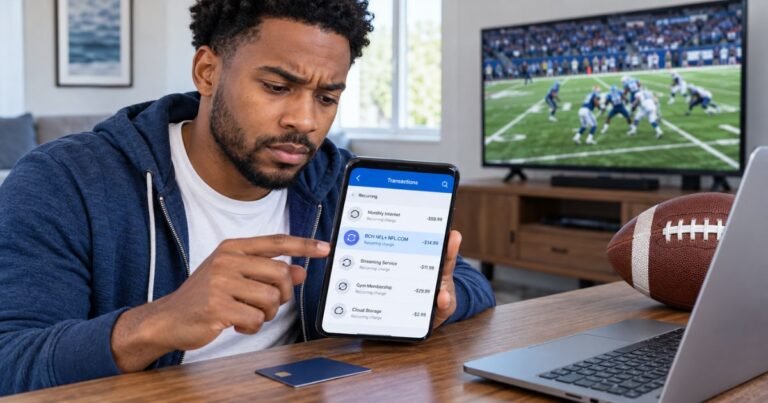
If you noticed a charge labeled “AWX Ussofeel,” “AWX*Ussofeel,” or something very similar on your credit or debit card statement, you’re not alone.
These short, coded names often cause confusion because they don’t clearly match any store or service you remember using.
This guide explains what the charge on credit card really means, how to track down the real business behind it, and the practical steps to take if you don’t recognize it.
What Does AWX Stand For on a Credit Card Statement?
AWX is the short code that appears when a merchant uses Airwallex to process card payments. Airwallex is a real fintech company founded in Australia that helps online businesses accept credit cards, handle international payments, and manage billing.
When a store or app partners with Airwallex, the charge on your statement is often formatted as:
AWX* + shortened merchant name
Examples from real statements include AWXJOY INTERACTIVE, AWXYYTVIDEO, or AWX*Cloud Whale Interactive. The “Ussofeel” portion of your charge is simply the truncated name of the specific business that charged you.
Why the Merchant Name Looks Strange
Payment networks limit how many characters can appear on a statement. Airwallex and the merchant often shorten the business name to fit. “Ussofeel” could be:
- A partial spelling of the store or app name
- A brand or product line you interacted with online
- An older or alternate trading name used for billing
This is extremely common with smaller online shops, digital product sellers, subscription services, and apps that use third-party processors.
Common Reasons for an AWX Ussofeel Charge
Most of these charges come from everyday online activity:
- A one-time purchase from an online store that uses Airwallex for checkout
- A subscription or free trial that converted to a paid plan
- An in-app purchase or digital download
- A family member or authorized user making a purchase on a shared card
- A recurring order or auto-renewal you set up months earlier
Because the name is coded, it can feel like a mystery even when the purchase was legitimate.
How to Identify the Exact Merchant
Follow these steps in order:
- Look at the full descriptor on your statement. Copy everything after “AWX*” (including any numbers or extra letters).
- Search Google for the exact phrase in quotes. Forum posts and charge-identification sites often list the same descriptor.
- Check your email (including spam and promotions folders) for order confirmations, receipts, or trial notices around the same date and amount.
- Review recent app purchases, browser history, or digital wallet transactions.
- Call the customer service number on the back of your credit card. Your bank can usually see the full merchant name, phone number, or category code that does not appear on the printed statement.
If the charge is recent, the merchant may still have a matching order in their system.
What to Do If You Recognize the Charge
If the purchase was intentional:
- Contact the merchant directly (once you identify them) if you need a receipt, return, or cancellation.
- For subscriptions, log into the account linked to the email you used and cancel future renewals.
- Update or remove the payment method so the card is no longer charged.
What to Do If You Do Not Recognize the Charge
- Contact your bank or card issuer right away and ask for the full merchant details.
- If the bank cannot identify a legitimate purchase you authorized, request a dispute or chargeback. Most major issuers offer zero-liability protection for unauthorized transactions when reported promptly.
- Ask the bank to block future charges from the same merchant descriptor while the investigation continues.
- Consider requesting a new card number if you are concerned about repeated attempts.
Keep records of the date, amount, and any emails or screenshots you gather.
How to Prevent Similar Confusion in the Future
- Turn on real-time transaction alerts in your banking app.
- Use virtual card numbers or single-use cards for free trials and new online stores.
- Keep a simple list of active subscriptions and the email addresses used for each.
- Review statements weekly instead of waiting for the full billing cycle.
- When shopping on unfamiliar sites, take a screenshot of the order confirmation and save the receipt email.
FAQs On AWX Ussofeel Charge on Credit Card
Is an AWX charge a scam?
No. AWX is the legitimate billing code used by Airwallex, a real payment processor. The charge itself comes from whatever merchant partnered with Airwallex. The risk of fraud exists with any online purchase, but the AWX prefix alone does not indicate a scam.
Can I get a refund for an AWX Ussofeel charge?
That depends on the actual merchant’s refund policy. First identify the business, then contact them. If they refuse or you cannot reach them, dispute the charge through your card issuer.
Why does the name look so different from the website I used?
Airwallex and card networks truncate merchant names to fit character limits. The website brand and the billing descriptor are often not identical.
How long do I have to dispute the charge?
Most card issuers follow the Fair Credit Billing Act guidelines and expect you to report billing errors within 60 days of the statement date. Act quickly for the best chance of a successful dispute.
Conclusion
An AWX Ussofeel charge on credit card is almost always a legitimate transaction processed through Airwallex. The “AWX” portion identifies the payment processor, while “Ussofeel” is a shortened version of the real merchant’s name.
Start by searching the full descriptor and checking your emails and bank for more details. If you still cannot match the charge to a purchase you authorized, contact your card issuer immediately to investigate and, if needed, dispute it.
Clearing up coded charges like this is usually straightforward once you know that AWX simply means Airwallex handled the payment.
Disclaimer: This article is for informational purposes only and does not constitute financial or legal advice. Merchant descriptors and bank policies can change. Always verify details directly with your card issuer and any merchant you identify.