What is TDCT Charge on Credit Card?

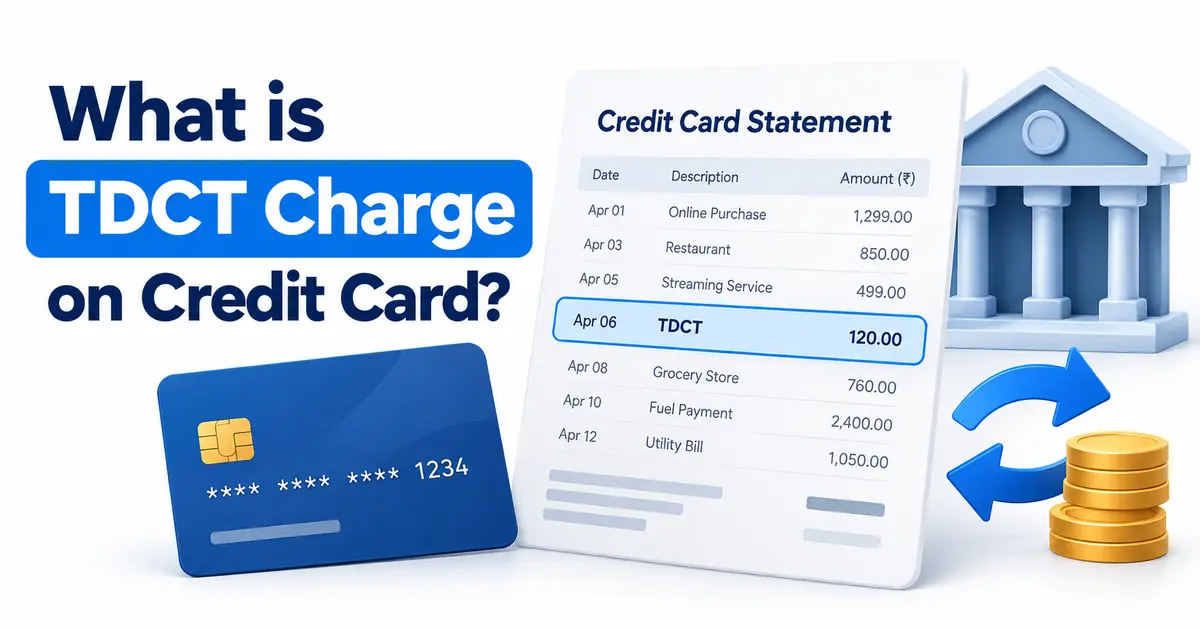
A TDCT charge on credit card statements can be confusing when the wording does not describe an obvious purchase. Some bank abbreviations and account numbers are legitimate, but a label alone rarely explains a transaction.
Here is how to distinguish ordinary bank information from a real debit, check possible causes, and contact the right institution if money moved without your approval.
What Is a TDCT Charge on Credit Card?
TDCT commonly abbreviates TD Canada Trust, a Canadian banking brand. In a statement it may describe bank-related activity, but TDCT by itself does not show whether the line is a fee, payment, transfer, or merchant transaction.
The important question is whether this appears as a posted debit, a payment credit, or a label near account information. A code printed on a banking form does not necessarily represent a credit-card transaction. Verify the amount and the account involved before taking action.
What the TDCT Label Could Mean
A TD bank or card account entry was shortened in your issuer’s system. Read the full entry rather than treating every bank code as a merchant name.
A transfer or bill payment was recorded under the bank’s abbreviation. Check whether one account’s debit corresponds to another account’s credit.
A fee, adjustment, or other account transaction appeared with a general label. Only the financial institution can confirm how it classified a specific transaction.
Another company uses a similar short identifier. Similar abbreviations can have more than one meaning across payment systems.
How to Tell a Transit Number From a Card Charge
A bank transit number generally identifies a branch for routing certain electronic payments. It is not the same thing as a card network charge. You normally need an amount and transaction date to establish that money actually moved.
Check where the wording appears. Account information, direct-deposit details, and transfer instructions are different from a posted purchases ledger. The labels can look similar on a narrow phone screen.
A payment to a credit card usually reduces what you owe and should not be treated as a new purchase. A bank transfer record may also be a movement of money rather than a fee.
If the bank app groups transfers and card transactions together, open the individual details. An outgoing payment and an incoming credit can appear in different parts of the app. Ask the bank to explain which account was debited and why.
Steps to Verify the TDCT Entry
Start with the full statement entry, not just the words TDCT. Copy the amount, currency, date, and whether the entry is pending or completed. Keep your last four card digits for your own records.
For other Canadian banking labels, compare Scotiabank transit and BMO transit. These guides explain why branch details or transfers should not be mistaken for merchant purchases; for TD-specific help, use TD’s official contact page.
Compare the transaction with receipts and online account histories for several days around the posting date. A business may charge after the purchase date, and your bank may show a different date from the seller.
Use the checks that matter for this label: Open the transaction details and note whether it is a debit, credit, fee, or payment. Check your TD bank and card statements for a matching reference and amount.
If you are still unsure, continue with these checks: Compare posted dates because transfers may appear on different business days. Call your card issuer or bank using a number on its official statement. Ask the issuer for more merchant information rather than relying on a search-result guess.
If a household member or employee is allowed to use the card, ask whether they recognize the transaction. Do this privately and without sharing your account number or login credentials.
When the Entry Shows a Payment or Transfer
Check whether you recently paid a credit-card bill from a bank account. Payments can post on different dates in the two accounts. The same reference may appear as money leaving a deposit account and a balance reduction on the card.
If you see a fee, read your card’s fee schedule and statement section. A bank abbreviation alone does not identify an annual fee, interest charge, or cash advance. The issuer can tell you the fee category and calculation.
If a transfer was not expected, do not initiate a second payment to ‘correct’ it without checking first. A duplicate transfer could create another problem. Ask the bank to trace the reference and confirm the current balance.
What to Do About an Incorrect Bank Entry
If the amount is wrong, document the displayed balance and transaction reference. Contact the bank through its app, statement, or verified website. Explain whether you are questioning a fee, transfer, card payment, or alleged purchase.
A genuine transfer error may require a different correction path from a credit-card purchase dispute. Your bank can explain which team handles the account involved. Keep notes and request written confirmation of any adjustment.
Do not assume that blocking a card will reverse a transfer from a deposit account. The right response depends on the payment method and on whether a card number was used. Ask about protecting both accounts when appropriate.
When to Report Possible Fraud
Contact the affected financial institution immediately if you see an unauthorized debit. Review other activity and ask whether cards, online banking access, or transfer credentials need protection. Follow the reporting process for the account that lost funds.
For a U.S. credit-card billing error, the written-notice deadline may be 60 days from the first statement showing the error. Canadian bank and card claims can have different requirements. Ask the issuer for the deadline and reporting address specific to your account.
Do not label a TDCT transaction fraudulent, or assume it is interest, solely from the abbreviation. Ask which account and transaction type it belongs to. Do not send complete banking details or screenshots to a public discussion board.
Records That Help Resolve the Question
Keep both the statement entry and any related payment confirmation. The bank may need the date, amount, account type, and transaction reference. You usually should not need to email a complete card number.
A clear timeline makes it easier to explain why you think a payment is incorrect. Note when you last used the relevant account and whether a scheduled transfer was due. If you get a case number, save it.
Review the next statement after a promised correction. A temporary adjustment is not always a completed investigation. Ask for the final result in writing if the bank has not explained the entry.
FAQs On TDCT Charge on Credit Card
Q: Does TDCT always mean a credit-card fee?
A: No. It can describe branch information, a bank-related entry, or a different transaction. A posted amount and the bank’s records are needed to identify it.
Q: Is a transit number the same as a card number?
A: No. A transit number generally identifies a bank branch for routing payments. Your credit card number identifies a different payment account.
Q: Can I reverse a TDCT payment?
A: It depends on whether the entry is a transfer, fee, card payment, or unauthorized purchase. Contact the bank handling the actual transaction for the correct process.
Q: What if I did not authorize the amount?
A: Report the posted debit promptly through the relevant bank or card issuer. Ask it to investigate and protect the account while it reviews the entry.
Conclusion
A tdct charge on credit card records should be judged by its details, not by its name alone. Check the statement, your receipts, and the related account before taking action.
If the entry is wrong or unauthorized, contact the relevant company or card issuer promptly. Keep proof of your questions and any correction or cancellation.
Disclaimer: This article is for general information only, not financial or legal advice. Policies and rights may vary by card issuer and location. Confirm account-specific questions with the company or your bank.