Cancel a Pending Credit Card Charge: What to Do

Can I cancel a pending charge on my credit card? Sometimes the merchant can void an unsettled transaction, but a consumer usually cannot remove a pending authorization from the banking app with one tap. First check whether the payment is just a hold or a final charge.
The practical goal is to verify the payment and use the correct reporting path without losing important dispute rights. These steps explain the difference between a routine billing question and an unauthorized transaction.
Cancel Pending Card Charge: How the Dispute Process Works
A pending credit card charge usually means the merchant received authorization but the transaction has not completed settlement. For other unfamiliar statement entries, see our guide to identifying unknown card charges. The bank reserves available credit while the merchant and processor decide whether to capture, modify, or release the authorization. Different industries use holds differently.
The CFPB explains that merchants obtain authorization to confirm the account can support a purchase. That approval is not identical to final settlement. The issuer can explain whether a transaction is pending and what, if anything, can be done before posting.
Step 1: Confirm that the entry is pending
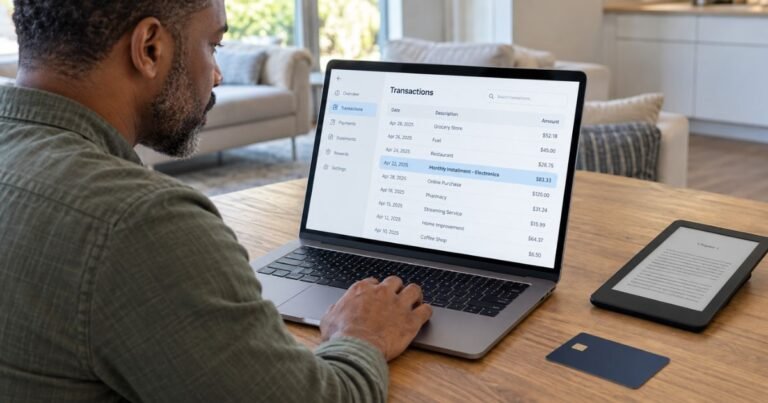
Open the card app and tap the transaction to see its status, amount, merchant name, and date. An authorization may look like a charge, even though it has not appeared on the final statement. Some transactions also show estimated amounts that later change.
Do not count a pending and a corresponding posted payment as two charges without checking whether the first authorization falls away. If an unknown merchant appears, report possible card misuse promptly.
Step 2: Ask the merchant to void the authorization
For a legitimate transaction you decided not to complete, contact the seller using verified order details. Ask whether the authorization can be voided or the order canceled before capture. The seller may be able to stop the transaction in its processor dashboard.
Not every merchant can reverse an authorization immediately, and some holds expire on their own. Get cancellation confirmation and the transaction reference. Ask when the merchant expects its part of the release to occur, without assuming the issuer must show it instantly.
Step 3: Ask your bank about pending hold controls
If the merchant says it has canceled the payment but the authorization remains, ask the card issuer whether supporting documentation can help with release. The bank may explain that the hold will fall off automatically after the authorization expires. A forced release is not always available.
Card-lock settings usually affect new authorizations, not transactions that have already been approved. Do not assume freezing the card cancels the pending entry. Clarify exactly what the bank can and cannot block.
When the pending charge is fraud
Report suspected unauthorized activity through the issuer’s official fraud channel as soon as you notice it. There is no reason to wait for a pending charge to settle before warning the bank that the card may be compromised. Ask whether to lock or replace credentials and examine recent activity.
A formal billing dispute may start after posting, depending on issuer rules. The security report and eventual transaction dispute are related but separate steps. Keep track of both the fraud report and the item itself.
Why hotel, gas, and restaurant holds can be higher
Hotels may reserve funds for incidental expenses and fuel stations can use estimated authorizations. Restaurant pending totals may exclude or anticipate tips. These practices can temporarily change your available credit without creating a second completed purchase.
The final captured payment should reflect the agreement and actual transaction. If the hold remains unexpectedly long, contact the merchant and issuer. Use the actual booking or purchase records to distinguish a normal authorization from an error.
If the pending charge becomes posted
Once a payment posts, the usual path is a merchant refund or an issuer billing dispute rather than authorization cancellation. If the amount or merchant is wrong, preserve receipts and correspondence. Ask the issuer how to file a proper claim.
Qualifying credit card billing errors can have written notice deadlines measured from the first statement containing the error. Keep the deadline in mind even while pursuing a merchant refund. Continue paying any undisputed amounts due.
Check whether the charge has actually posted
A card payment can appear as a pending authorization before the final settlement. The amount may change, disappear, or be replaced by a completed charge. Review the status and wait for the final entry when the problem is an ordinary merchant billing discrepancy, but do not delay reporting suspected stolen-card use.
A pending hold and a posted charge follow different processes. You may be unable to open a standard billing dispute while a transaction remains pending. Ask your issuer whether it has a separate fraud-reporting or authorization inquiry process.
Get the complete merchant details
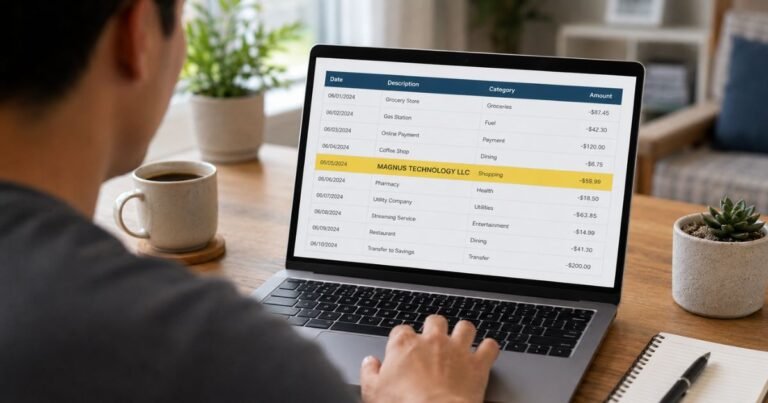
Short statement labels can hide a familiar business, a location, or a payment processor’s legal name. Tap the transaction in your banking app and look for the merchant category, amount, date, and any available contact details. Search matching receipts and account histories before labeling the charge unauthorized.
Ask authorized card users whether they made a purchase. A restaurant tip, a hotel authorization, or a delayed delivery payment may explain a different amount or date. If nothing matches, the issuer may be able to provide further identifying details.
Choose the correct dispute reason
Fraud normally means you did not authorize the transaction at all. A billing disagreement may involve an order you made but were charged twice for, never received, canceled, or received with the wrong amount. Those situations can have different forms and supporting evidence requirements.
State what actually happened instead of selecting the first complaint category. A familiar charge with an incorrect refund is not automatically identity theft. Clear, accurate facts give the issuer a fair basis for reviewing the dispute.
Collect documents before you submit
Save the original receipt, booking or order confirmation, statement entry, cancellation confirmation, and correspondence with the seller. Make a brief timeline showing when the purchase occurred, when you first noticed the error, and what you did to resolve it. Keep copies rather than sending irreplaceable originals.
Screenshots should show relevant information without exposing unnecessary account details. A refund promise should be recorded in writing if possible. If your transaction is linked to several installments or related purchases, identify the exact charge that you are challenging.
Understand the written billing-error deadline
The FTC explains that a credit-card billing error generally needs a written notice delivered to the issuer’s billing-inquiries address within 60 days after the first statement showing the error was sent. This deadline is tied to the statement, not always the purchase date. Online or telephone reports may not preserve every statutory right.
Use the dispute address listed on the card agreement or statement, not the payment mailing address. Include the amount, date, reason, and identifying account details through the authorized channel. Keep proof of timely delivery.
Know what happens during investigation
A card issuer may acknowledge the dispute, ask for records, and evaluate the merchant’s response. For qualifying Fair Credit Billing Act disputes, federal rules include acknowledgment and resolution deadlines. A provisional account credit, when offered, is not necessarily a permanent refund.
Continue paying the undisputed part of your statement by the due date. Track issuer messages and deadlines for submitting evidence. The bank may eventually reverse the credit if it decides the original payment was valid under the applicable process.
Official guidance
CFPB: Credit card authorization explained; Airbnb: Example of payment holds; FTC: Dispute card charge. Review the current issuer terms for your specific card and dispute.
FAQs On Cancel Pending Card Charge
Q: Can I press a button to remove a pending card charge?
A: Usually not. Ask the merchant whether it can void the authorization and the issuer how the hold is released.
Q: Does locking my credit card cancel a pending payment?
A: Not necessarily. Previously approved transactions can still settle.
Q: How long does a pending hold last?
A: It varies by merchant, payment type, and issuer. Ask the card issuer about the particular authorization.
Q: Can I report a fraudulent pending charge?
A: Yes. Contact the issuer’s fraud team immediately rather than waiting for posting.
Conclusion
To cancel a pending charge on your credit card, confirm the authorization status and ask the merchant whether it can void the transaction. Use issuer security help for suspected fraud and a proper dispute process if an incorrect payment posts.
Disclaimer: This is general information, not financial or legal advice. Card issuer policies and legal protections depend on the transaction. Confirm account-specific questions directly with the company and your bank.