What’s That Charge on My Credit Card? Explained

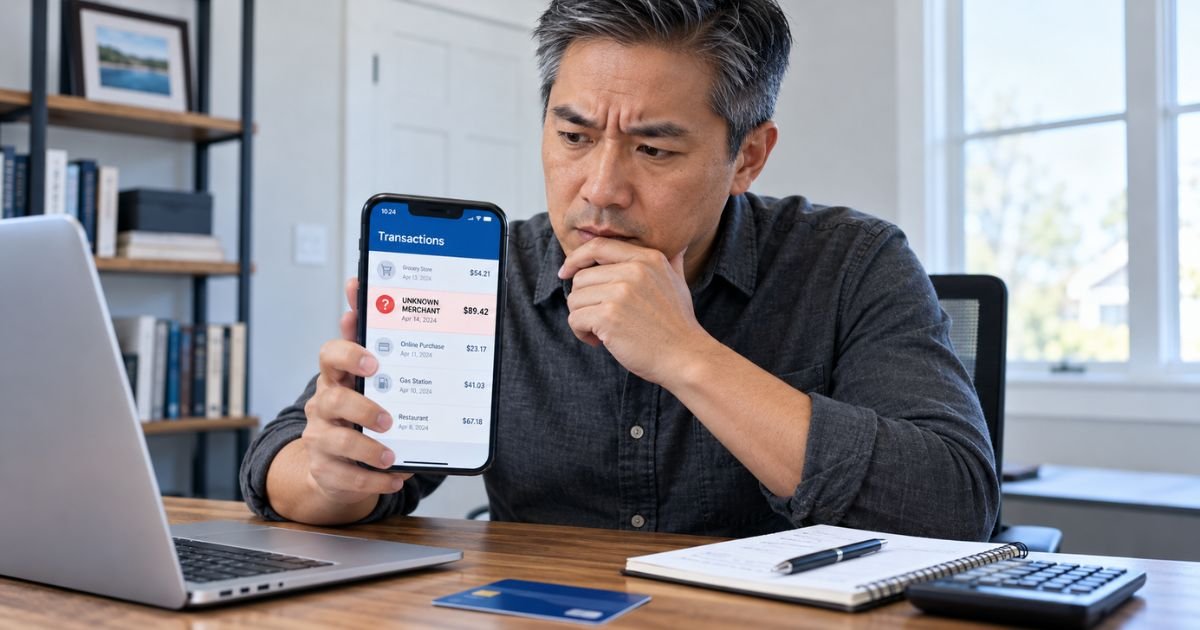
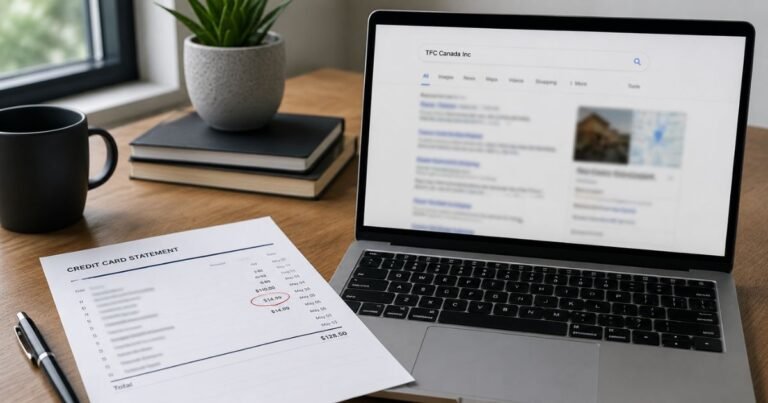
Wondering, “What’s that charge on my credit card?” An unknown charge on credit card statements can feel confusing, especially when the merchant name doesn’t match any store or service you remember using.
The good news is that many unfamiliar charges are legitimate purchases, subscriptions, or temporary payment holds. This guide explains how to identify mysterious transactions, recognize possible fraud, and stop or dispute unwanted charges.
What Is an Unknown Charge on Credit Card?
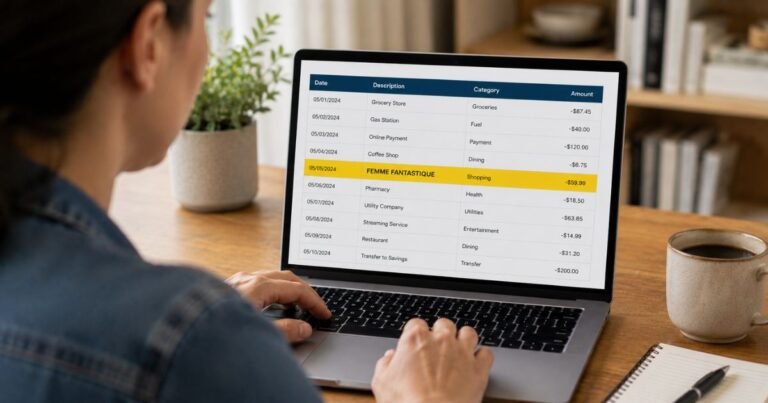
An unknown charge on credit card statements is a transaction you don’t immediately recognize. It may appear under an unfamiliar company name, an abbreviated merchant description, or a payment processor instead of the business where you made the purchase.
For example, you might buy something from an online store, but your statement displays the company’s legal business name rather than its website name.
Sometimes, the charge comes from an automatic subscription renewal, a family member’s purchase, or a temporary authorization.
However, an unfamiliar transaction can also indicate unauthorized card activity.
The key is to identify the merchant before assuming the payment is fraudulent.
Why Is There a Random Charge on My Credit Card?
Several situations may explain why an unexpected charge appears on your statement.
1. The merchant uses a different billing name
Businesses sometimes process payments under their registered company names rather than their public brands.
2. A subscription renewed automatically
Streaming services, software platforms, fitness apps, and online memberships may charge your card monthly or annually.
3. A free trial became a paid subscription
Some services automatically begin billing when a free trial expires unless you cancel before the renewal date.
4. A payment processor handled your purchase
Companies may use third-party payment processors, which can affect the billing information shown on your statement.
5. A merchant placed a temporary hold
Hotels, rental car companies, and gas stations may temporarily authorize an amount before the final payment is processed.
6. Someone else used your card
An authorized user or family member with access to your payment information may have made the purchase.
7. Your card information was stolen
If nobody recognizes the payment, an unauthorized person may have used your credit card details.
Common Types of Unfamiliar Credit Card Charges
Not every unfamiliar entry is a purchase. Your statement may include fees, interest, temporary authorizations, and subscription payments.
| Charge type | What it may mean |
|---|---|
| Merchant purchase | Payment to a store or online business |
| Subscription charge | Recurring membership or digital service |
| Pending authorization | Temporary hold before final processing |
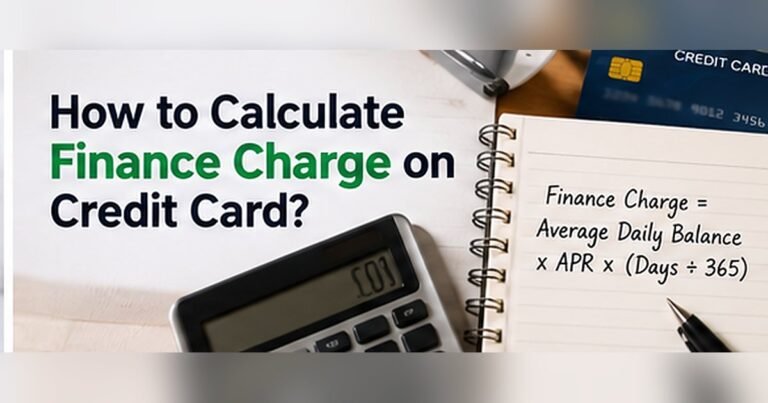
| Purchase interest | Interest on an eligible unpaid credit card balance |
| Annual fee | Yearly fee charged by your card issuer |
| Foreign transaction fee | Fee for certain international purchases |
| Cash advance fee | Charge for obtaining cash using your credit card |
| Unauthorized transaction | Payment made without your permission |
Checking the transaction category can help you determine whether you’re dealing with a merchant purchase or a bank-related charge.
How to Find Out What a Credit Card Charge Is
If you’re asking, “What’s that charge on my credit card?” start with the information already available in your banking account.
Step 1: Check the complete merchant description
Open your credit card app and select the unfamiliar transaction.
Look for the merchant’s full name, location, website, phone number, or business category. Your issuer may provide more details than the main statement displays.
Step 2: Compare the transaction amount
Check whether the amount matches a recent purchase or subscription.
Remember that taxes, tips, shipping fees, and currency conversion may affect the final total.
Step 3: Search your email receipts
Search your inbox for the merchant name or transaction amount.
Look for order confirmations, subscription renewals, digital purchase receipts, and shipping notifications.
Step 4: Review online shopping accounts
Check recent purchases through Amazon, Walmart, Target, and other stores you use.
Compare the dates and amounts with your credit card statement.
Step 5: Check app subscriptions
Review subscriptions through Apple, Google Play, PayPal, and other services where you’ve saved your card.
Step 6: Ask other authorized card users
If someone else has permission to use your account, ask whether they recognize the payment.
Step 7: Contact your credit card issuer
If you still can’t identify the charge, call the number on the back of your card.
Your issuer may have additional merchant information and can help investigate suspicious activity.
Why Does the Merchant Name Look Different on My Statement?
Credit card statements don’t always display the name you saw at checkout.
The business may use a legal company name, parent company, franchise operator, or payment processor to collect payments.
Banks may also shorten merchant descriptions because of character limits.
For example, a subscription you know by its app name might appear under a company name you don’t recognize.
The location can also be misleading. A merchant listed in another state doesn’t necessarily mean someone used your card there.
You may have completed an online purchase from a company headquartered in that location.
What Is the Difference Between a Pending and Posted Charge?
A pending transaction generally means the merchant requested authorization, but the payment hasn’t finished processing.
A posted transaction is a completed payment recorded on your credit card account.
| Pending charge | Posted charge |
|---|---|
| Payment is still processing | Transaction has been completed |
| Amount may change | Final amount is generally established |
| May be a temporary hold | Usually affects your statement balance |
| May disappear without posting | May require a refund or dispute |
For example, a hotel may place a temporary hold when you check in. That hold may later be released or replaced by the final amount.
If a pending charge is suspicious, report it immediately. You don’t need to wait until it posts before alerting your issuer about possible fraud.
Is an Unknown Credit Card Charge a Sign of Fraud?
An unfamiliar transaction isn’t automatically fraudulent. Many legitimate payments appear under unexpected billing descriptions.
However, certain warning signs deserve attention:
- Multiple charges from a merchant you don’t recognize.
- Small test transactions you never authorized.
- Purchases that don’t match your shopping history.
- Payments associated with accounts you don’t own.
- Repeated charges after a valid subscription cancellation.
If you believe your card information has been compromised, contact your credit card issuer immediately.
Your bank may recommend locking your card, replacing it, or opening a fraud investigation.
Avoid providing sensitive banking information to anyone contacting you unexpectedly about the charge.
How to Stop Unknown Recurring Charges on Your Credit Card
If the unfamiliar payment repeats every month or year, it may come from a subscription.
Start by identifying the company responsible for the payment.
You can generally follow these steps:
- Review the transaction’s merchant details.
- Locate the relevant subscription account.
- Open the billing or membership settings.
- Cancel the subscription.
- Save your cancellation confirmation.
- Monitor future statements for additional charges.
If you cannot identify the service, ask your credit card issuer whether it offers merchant-specific payment restrictions.
Replacing your card doesn’t guarantee that recurring payments will stop. Some merchants may receive updated card details through automatic account updater services.
How to Dispute an Unknown Charge on Your Credit Card
If you believe a transaction is unauthorized or incorrect, contact your credit card issuer promptly.
Explain why you don’t recognize the charge and provide the transaction date, amount, and merchant description.
Your issuer may investigate the payment and request supporting information.
Under the Fair Credit Billing Act, you generally must send a written billing error notice within 60 days after your issuer sent the first statement containing the error to preserve your formal dispute rights.
Use the billing inquiries address or approved process provided by your issuer. This address may differ from the regular payment address.
For qualifying disputes, you generally don’t have to pay the disputed amount while the issuer investigates. You must continue paying undisputed charges as required.
Can You Get Your Money Back From an Unknown Charge?
You may qualify for a refund if the payment was unauthorized, duplicated, incorrectly calculated, or otherwise eligible for a billing dispute.
If you recognize the merchant but believe it charged you incorrectly, contact the company first when appropriate.
For suspected fraud, report the charge directly to your credit card issuer.
Federal law generally limits your liability for unauthorized credit card use to $50, and many issuers offer stronger zero-liability protections.
A refund isn’t automatically guaranteed for every disputed transaction. Your issuer generally reviews the circumstances before deciding whether to reverse the charge.
How to Prevent Unfamiliar Credit Card Charges
You can reduce unexpected payments by monitoring your credit card activity regularly.
Enable transaction alerts through your bank’s app so you’re notified when purchases occur.
Review recurring subscriptions before renewal dates, and save receipts for online purchases.
Use strong passwords and two-factor authentication for accounts that store your payment details.
Avoid entering your card information on unfamiliar websites. If you suspect your information was exposed, contact your issuer about additional security measures.
FAQs On What’s That Charge on My Credit Card
Q: How can I find out who charged my credit card?
A: Open your credit card app and review the transaction’s merchant details. Check your purchase history and email receipts, or contact your credit card issuer for additional information.
Q: Why is there a charge on my credit card that I don’t recognize?
A: It may come from a business using a different billing name, a recurring subscription, a temporary authorization, or another authorized cardholder. If you cannot identify the transaction, contact your bank to investigate possible fraud.
Q: Can I block a company from charging my credit card?
A: Some credit card issuers offer merchant-specific restrictions or recurring payment controls. Contact your bank to ask about available options, and cancel any existing subscription directly with the merchant.
Q: What should I do if someone used my credit card without permission?
A: Contact your credit card issuer immediately and report the unauthorized payment. Your bank may investigate, replace your card, and explain how to submit a billing dispute.
Conclusion
If you’re wondering, “What’s that charge on my credit card?”, start by reviewing the transaction details, checking your receipts, and identifying the merchant. An unknown charge on credit card statements often comes from a legitimate purchase, subscription, or temporary authorization.
However, you should never ignore a transaction that remains unfamiliar. Contact your credit card issuer promptly if you suspect fraud, and follow the appropriate dispute process to protect your account.
Disclaimer: This article is for informational purposes only and does not provide financial or legal advice. Merchant descriptions, refund eligibility, fraud protections, and credit card dispute procedures may vary by issuer. Verify account-specific questions directly with the merchant or your bank.