What is USAT Media Charge on Credit Card?

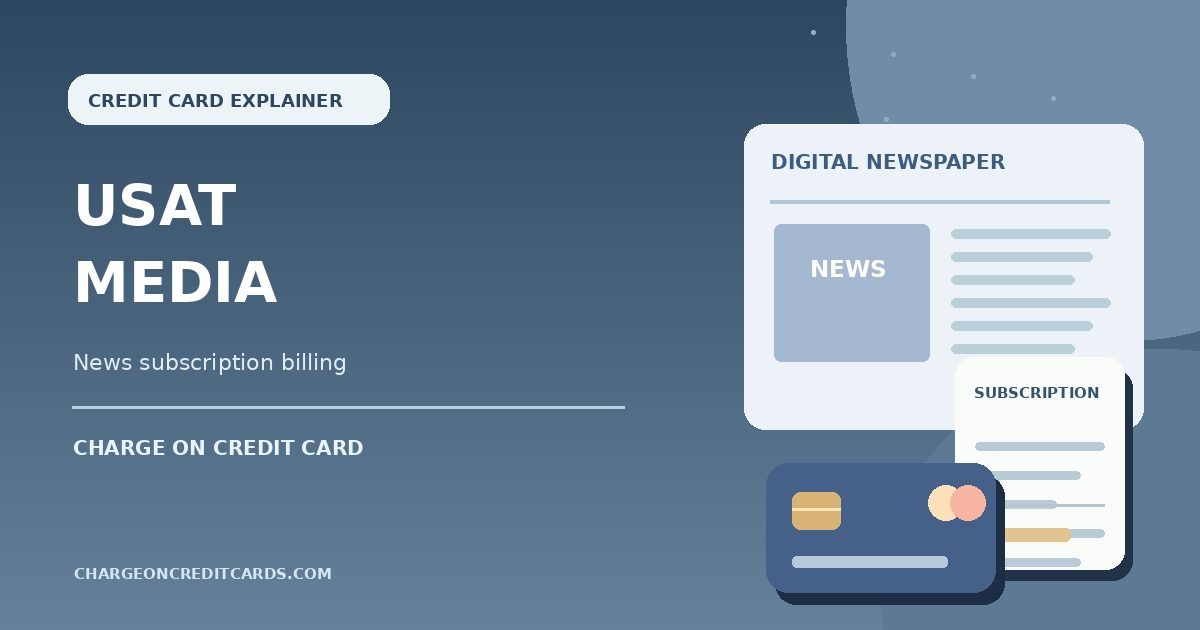
A USAT Media charge on your credit card commonly relates to a newspaper or digital news subscription within the USA TODAY publishing network. The shortened descriptor may not match the title of the local newspaper you read.
USA TODAY Co. publishes USA TODAY along with local news brands across the United States. This guide explains how to find the correct subscription, understand promotional renewals, cancel an unwanted plan, and check an unfamiliar payment.
What Is USAT Media Charge on Credit Card?
For another news and digital-media billing descriptor, read our Daily Wire Nashville TN charge guide.
USAT Media is a statement label often associated with USA TODAY Co. and its newspaper network. The publisher formerly operated under the Gannett corporate name.
The company’s current portfolio includes USA TODAY and many regional and local media publications. A paid subscription can provide digital access, eNewspaper editions, print delivery, or a combination depending on the offer.
The name on your card may show a centralized publisher or billing operation rather than the exact local newspaper that originally accepted your subscription.
An individual USAT Media charge still must be matched to a subscriber account, receipt, publication name, and renewal date. The company affiliation alone does not prove a particular debit was authorized.
Why a Local Newspaper Can Bill as USAT Media
Large publishing networks may centralize subscription billing across titles. You may recognize your town or regional paper but not the parent company abbreviation visible on the statement.
A digital subscription can renew long after an introductory reading offer. Check whether a promotional price ended and a standard plan rate became effective.
Print delivery may be billed under a different schedule than digital-only access. A household might have multiple subscriptions to different newspapers within the same network.
An authorized card user may have enrolled to read a particular article, newspaper, or eNewspaper edition. Search their receipts before treating the legal publisher name as unknown.
If no relevant publication or news account matches, ask the card issuer for the full merchant details rather than assuming every USAT text string belongs to a newspaper.
Find the Relevant Subscription Account
Search email for USA TODAY, Gannett, subscription confirmation, eNewspaper, the local publication’s title, renewal, and the exact statement amount.
Log in to the official account portal for the specific newspaper you subscribe to. Check the active product, subscriber address if applicable, billing method, and invoice history.
If you have moved homes, review any prior print subscription and whether it was stopped. Do not assume that switching addresses automatically canceled paid access.
Check accounts controlled by authorized family members, especially if they subscribed using a different email. A shared payment card can fund more than one news subscription.
If your account has no matching charge, contact the paper’s official customer support or ask the issuer for a complete merchant identity and reference.
How to Cancel Newspaper Renewal
Use the verified account and subscription management options for the newspaper that actually billed you. Some titles offer an online cancellation flow while others provide official customer-service assistance.
Check the accepted promotional offer and subscription terms. Certain products have an ongoing automatic renewal unless you cancel within the required notice period.
Ask when paid access or print delivery will end and whether any remaining balance is due. The effective date can differ from the day you first requested cancellation.
Keep the support confirmation, account number, and final billing date. If another payment appears afterward, you can provide those details to the publisher.
Canceling an email newsletter or uninstalling a news app does not necessarily cancel a paid digital or print subscription. Verify the underlying billing account has been changed.
Unexpected Rates, Refunds, and Duplicate Charges
News subscriptions may begin at a promotional rate and later renew at the regular price. Compare your original checkout offer with any advance notices and current billing schedule.
A charge for a different local paper may be separate from your USA TODAY subscription, even though the same parent company handles billing. Compare the actual product and subscriber account.
If a refund is approved under the applicable policy, it usually posts as a separate statement credit. Save the refund confirmation until the bank shows the adjustment.
If two completed debits relate to only one subscription period, ask the publisher to review both merchant references. First confirm that one of the entries is not a pending hold.
If nobody authorized a subscription, contact the card issuer promptly. A real newspaper company can still receive a transaction made through unauthorized card use.
Match the Merchant With a Real Payment
Start by opening the entry in the credit card issuer’s verified mobile app. Write down the complete statement label, posting date, charge amount, merchant city, and any additional website or phone information. A business may use a payment processor or abbreviated legal name.
Search recent and older email receipts for the exact amount. Check subscriptions, order histories, app-store purchases, and any other account you control. A purchase can post after the original checkout date, especially if the seller settles the payment later.
Check whether the transaction is pending or posted. A temporary authorization may disappear or be replaced with a final amount. Do not assume a pending and settled entry means two completed payments without checking the bank’s status information.
Ask authorized card users whether they recognize the debit. A legitimate purchase or service enrollment may have used the shared payment method, but the merchant’s name may be new to the primary cardholder.
If no purchase record matches, ask your issuer for expanded merchant-of-record details. An account-specific record is better evidence than a third-party page claiming to identify every transaction with a similar descriptor.
How to Respond to Unauthorized or Incorrect Billing
If you recognize the business but the amount is wrong, contact verified merchant support and request an itemized invoice. Save the original checkout price, any renewal notice, and the company’s response.
If no authorized person recognizes a posted debit, report it to the bank promptly. Use the number printed on your card or its authenticated app and ask about a fraud investigation and appropriate card-security steps.
The Consumer Financial Protection Bureau explains that many credit card billing errors require a written notice within 60 calendar days after the first erroneous statement was sent. Follow the special billing-error address supplied by the issuer.
A dispute investigation does not guarantee an immediate credit or reversal. Keep the case number and evidence, and follow the issuer’s rules for making payments on undisputed balances.
Do not send bank passwords, full card numbers, one-time security codes, or other sensitive payment credentials to a random website claiming it can cancel an unknown charge.
Refunds and Recurring Payments
A repeated amount can result from a recurring plan, separate purchases, or an error. Compare each settled transaction with the billing agreement and receipt before assuming it is an unauthorized renewal.
Cancel a genuine subscription through the company or platform managing payment. Uninstalling an app, closing a browser, or replacing a payment card does not necessarily terminate a valid agreement.
A merchant refund commonly appears as a separate credit while the original debit remains visible. Confirm the credit has posted, rather than relying only on an email promising reimbursement.
Save receipts and cancellation confirmation emails in one place so a later charge can be compared with the agreement. Enable transaction alerts for new payments when the bank offers them.
Check the next statement after stopping renewal. If a charge posts after the confirmed end date, provide the original cancellation evidence to the merchant and issuer for review.
Official Sources and What They Verify
USA TODAY Co.’s official website confirms that the company, formerly Gannett, publishes USA TODAY and many local news brands. Independent statement-descriptor examples connect USAT MEDIA CO with news subscription billing, but each cardholder still needs a matching invoice for the precise publication and plan.
Read USA TODAY Co.’s official company profile for the relevant official information. For a mistaken card payment, see the CFPB’s billing-error guide. Neither source can establish that you personally approved an individual transaction.
FAQs About USAT Media
Q: Does USAT Media mean USA TODAY?
A: It commonly points to USA TODAY Co. or its news network, but the precise publication needs confirmation.
Q: Can a local newspaper subscription cause this charge?
A: Yes. USA TODAY Co. publishes many local news titles, and centralized billing may show the parent company.
Q: How do I stop USAT Media renewals?
A: Locate the paying newspaper account and use its verified subscription cancellation or customer support options.
Q: What if I never subscribed to a newspaper?
A: Ask authorized card users, then request expanded issuer details and dispute an unauthorized payment promptly.
Conclusion
USAT Media on your credit card statement should be matched to a specific agreement or receipt. The precise newspaper account, not merely the publisher’s abbreviation, determines what was purchased and whether renewal remains active.
When the merchant is verified, use its official billing tools to stop future authorized renewals. If the posted transaction is not yours, contact the card issuer promptly and preserve the investigation records.
Disclaimer: This article is for general information, not legal or financial advice. Merchants may change prices, subscriptions, and refund rules, so confirm current terms and account details with the provider or credit card issuer.