What is Neopollard Interactive Charge on Credit Card?

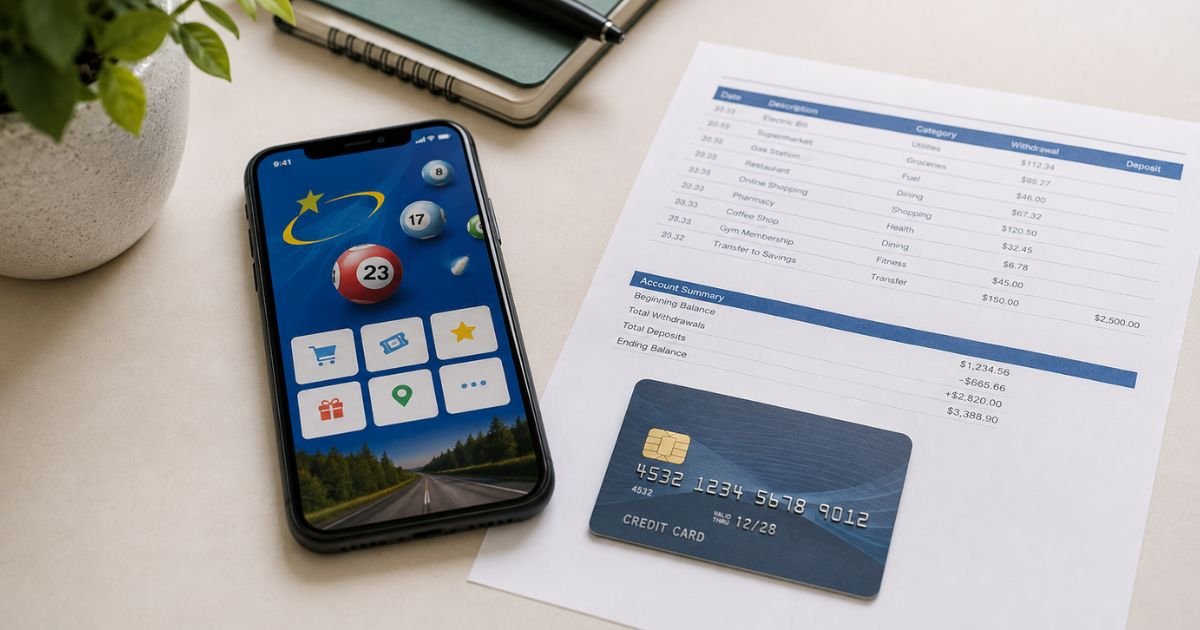
A Neopollard Interactive charge on credit card can feel confusing if you do not recall the name. Unfamiliar merchant names like this are often legitimate. This guide explains what the charge is, why it shows up, and the practical steps you can take.
What Is a Neopollard Interactive Charge on Credit Card?
Neopollard Interactive (also called NeoPollard or NPi) is a technology company that powers online lottery services for certain U.S. state lotteries.
It provides the platforms, payment processing, player accounts, and games that let people buy lottery tickets and play instant games online or through mobile apps.
The company is a joint venture with deep roots in the lottery industry. It is based in Lansing, Michigan, with additional offices elsewhere.
Its systems handle player management, payments, compliance, and responsible gaming tools for the lotteries it serves.
On your statement the charge may appear as NEOPOLLARD INTERACTIVE, NEOPOLLARD INTER, NEOPOLLARD INTERACTIVE LANSING MI, or a close variation.
These descriptors show up because Neopollard processes the payment even though the purchase happens on a state lottery website or app.
Why You Might See This Charge
The most common reason is that you or someone with access to your card bought lottery tickets online. Many official state lottery sites and apps use Neopollard’s platform behind the scenes.
When the payment goes through, the merchant name on the card statement is often Neopollard rather than the lottery brand itself.
You might also see the charge after topping up an online lottery wallet, buying a bundle of instant-win games, or setting up an auto-renew feature for recurring draws.
Some players create subscriptions for weekly or multi-draw tickets. Those can generate regular charges.
Small verification or authorization holds sometimes appear when you first add a card to a lottery account. These are usually temporary and drop off later.
Neopollard currently powers online play for several state lotteries, including Michigan, Virginia, West Virginia, North Carolina, and New Hampshire.
Partnerships can change over time, so the exact list may vary.
How to Verify the Charge Belongs to You
Start by checking your email for receipts or confirmation messages from a state lottery. Look for messages that match the charge date and amount. Search your inbox and spam folder for the lottery name or “Neopollard.”
Log into any state lottery player accounts you may have created. Review your purchase history, wallet transactions, and any active auto-renew settings. Match the statement date and dollar amount to a specific ticket purchase or deposit.
If you share a card with family members or others, ask whether anyone bought lottery tickets online recently. People sometimes forget small digital purchases, especially when the statement shows an unfamiliar company name.
Is the Neopollard Interactive Charge Legitimate?
In most cases the charge is legitimate when it matches a real lottery purchase made through an official state site or app that uses Neopollard’s systems.
Neopollard is a known provider in the regulated iLottery industry and works with established state lotteries.
Treat the charge with extra care if you never play lottery games online, never created a player account, and cannot find any matching receipt or activity. In that situation contact the relevant state lottery support and your card issuer promptly.
Lottery ticket purchases generally cannot be refunded once completed under most state rules. That is different from a typical subscription service. Always confirm the specific policy with the lottery involved.
How to Stop Future Charges
If the charge comes from an auto-renew or multi-draw subscription, log into the state lottery player account that made the purchase.
Look for settings related to subscriptions, auto-renew, favorite numbers, or recurring purchases. Turn those off and confirm the change.
You can also contact the lottery’s player support team through the official website or app. Neopollard provides player support services for the lotteries it powers, often available by phone, email, or chat, but the primary contact is usually the lottery itself.
For general company questions you can email info@neopollard.com. Player account and billing issues are typically handled through the specific lottery’s support channels rather than a general Neopollard consumer line.
Remove the payment method from any lottery accounts you no longer use. This reduces the chance of future unexpected charges.
What to Do If You Do Not Recognize the Charge
Gather the exact date, amount, and full merchant descriptor from your statement. Check every email address linked to possible lottery accounts. Review recent bank or card activity for other small digital purchases that might provide context.
Contact the official support for the state lottery you think might be involved. Provide the charge details and ask them to search for any account or transaction tied to your card. Keep records of all messages.
If the lottery confirms no matching purchase or you still believe the charge is unauthorized, open a dispute with your credit card issuer.
Most issuers require you to act within a set window (often 60 days from the statement). Provide any evidence that you contacted the merchant or lottery first. Policies vary by bank.
Tips to Avoid Surprise Lottery Charges
Only use official state lottery websites and apps. Avoid third-party sites that claim to sell lottery tickets. Keep a simple list of any player accounts you create and the email used for each.
Review your card statements regularly, especially after making online purchases. Disable auto-renew features unless you specifically want them.
Set deposit or spending limits inside lottery accounts when the option is available. Many platforms include responsible gaming tools for this purpose.
FAQs on Neopollard Interactive Charge on Credit Card
Q: Is a Neopollard Interactive charge a scam?
A: Usually no. It is typically a legitimate payment processed for an official state lottery that uses Neopollard’s technology. Verify by matching the date and amount to a lottery receipt or account history. If nothing matches, contact the lottery and your card issuer.
Q: Which state lotteries use Neopollard Interactive?
A: NeoPollard has powered online programs for Michigan, Virginia, West Virginia, North Carolina, and New Hampshire, among others. Partnerships can change, so check the official lottery website for the most current information.
Q: Can I get a refund for a Neopollard Interactive charge?
A: Lottery ticket purchases are generally final under state rules once the transaction is complete. Contact the specific state lottery’s player support first to ask about any possible exception. If the charge appears unauthorized, work with your card issuer on a dispute. Policies vary.
Q: How do I contact support about this charge?
A: Start with the player support page on the official state lottery website or app linked to the purchase. For general company questions you can email info@neopollard.com. Keep all correspondence for your records.
Conclusion
A Neopollard Interactive charge on credit card most often comes from an online lottery ticket purchase or related transaction processed through a state lottery platform. Check your email, lottery account history, and statement details to confirm. You can usually stop recurring charges by turning off auto-renew features inside the lottery account or contacting that lottery’s support.
If the charge still does not make sense after checking, reach out to the lottery and your card issuer. Most of these situations resolve once the linked purchase is identified.
Disclaimer: This article is for informational purposes only and is not financial, legal, or professional advice. Lottery rules, refund policies, and billing practices vary by state and can change. Always verify details with the specific state lottery, Neopollard if appropriate, and your card issuer for your individual situation.