
What is Glamourium Charge on Credit Card?

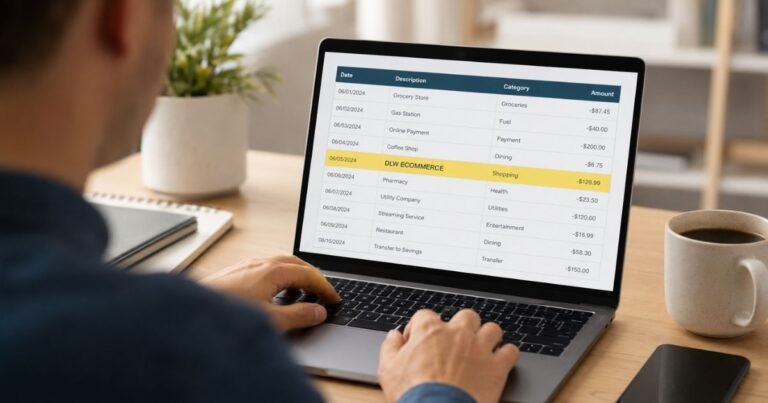
You check your credit card or bank statement and notice a charge from Glamourium. The name is unfamiliar, and you may not recall making any purchase under that title.
Limited public information exists about a legitimate, well-known company operating under this exact name for consumer products or services.
At the same time, there are reports of unwanted credit card charges linked to Glamourium. Understanding the situation helps you respond quickly and protect your account.
This guide covers what is currently known and the practical steps to take.
Quick Answer
A Glamourium charge on credit card is not clearly tied to a major, widely recognized retailer or subscription service. Reports, including a BBB Scam Tracker entry, describe multiple small unwanted charges under this name.
Treat any unrecognized Glamourium transaction as potentially unauthorized. Contact your card issuer right away to investigate and dispute the charge.
What Is Known About Glamourium?
Public records and consumer reports show limited information about a established company called Glamourium that regularly bills customers for legitimate products or services.
- A BBB Scam Tracker report from 2025 lists Glamourium in connection with multiple credit card charges (several small amounts totaling around $31 in one case).
- Social media accounts using similar names (such as “The Glamourium”) focus on lifestyle, beauty, or fashion content, but these do not clearly match commercial billing activity.
- Domain names related to Glamourium have appeared in connection with beauty or lifestyle branding, yet no major verified e-commerce operation with transparent customer service stands out.
Because the descriptor lacks a clear, reputable consumer-facing business behind it, unrecognized charges under this name deserve careful attention.
Why Might This Charge Appear?
Possible explanations include:
- An unauthorized transaction using a stolen or compromised card number.
- A low-visibility online store or trial offer that used this billing name.
- A subscription or continuity plan that was not clearly disclosed.
- Card testing (small charges to check if a card is active).
Small or repeated charges are sometimes used by bad actors to test cards before larger attempts. Even modest amounts should not be ignored.
How to Investigate the Charge
- Search your email (including spam and promotions) for any messages containing “Glamourium,” order confirmations, or receipts around the charge date.
- Check whether anyone who shares the card made an online purchase matching the amount and date.
- Expand the full transaction details in your banking app for any extra location, phone number, or reference information.
- Review recent online shopping activity, especially beauty, fashion, or lifestyle sites.
If nothing matches, treat the charge as unrecognized.
What to Do If You Do Not Recognize the Charge
Act promptly:
- Contact your credit card issuer using the phone number on the back of your card.
- Report the Glamourium charge as unauthorized.
- Request an investigation or formal dispute (chargeback).
- Ask the issuer to block further charges from this merchant.
- Consider replacing the card if you have any concern that the number was compromised.
- Monitor your account for additional unfamiliar activity.
U.S. credit card rules generally limit your liability for unauthorized charges when you report them in a timely manner. Keep screenshots of the transaction and notes from your call.
Do not call phone numbers found in random online comments or share full card details with unofficial websites.
What to Do If You Think You May Have Ordered Something
If you find an email or recall a possible purchase:
- Attempt to contact the seller through any official channel listed in a confirmation email.
- Request order details, cancellation, or a refund in writing.
- Still notify your card issuer so they have a record, especially if you cannot reach the merchant or the charge continues.
Document every attempt to resolve the issue.
Practical Tips to Protect Yourself
Enable real-time transaction alerts on every credit and debit card.
Review statements weekly instead of waiting for the monthly bill.
Use virtual card numbers for new or unfamiliar online stores when your bank offers them.
Be cautious with free trials, “glam” bags, beauty samples, or lifestyle offers that require a card.
Keep a simple list of active subscriptions so unexpected names stand out immediately.
Common Mistakes to Avoid
- Ignoring small charges because the amount seems minor.
- Waiting weeks before contacting the bank.
- Providing full card numbers or personal information to random support numbers found online.
- Assuming every unfamiliar name is automatically legitimate.
FAQs On Glamourium Charge on Credit Card
Is Glamourium a legitimate company?
There is no clear evidence of a major, well-established consumer company regularly billing under this name. Reports of unwanted charges exist, so unrecognized transactions should be treated cautiously.
Why are the charges often small?
Small amounts can be used to test whether a card is active. They can also come from low-cost trial or continuity offers. Either way, report anything you did not authorize.
Can I get the money back?
In many cases yes, if you report the charge promptly as unauthorized to your card issuer. Follow their dispute process and keep records.
Should I contact Glamourium directly?
Only if you have a legitimate order confirmation with official contact details. Otherwise, prioritize your card issuer. Avoid sharing sensitive information with unverified sources.
Conclusion
A Glamourium charge on credit card lacks a clear connection to a major, transparent consumer brand. Consumer reports, including a BBB Scam Tracker entry, describe unwanted charges under this name.
If you cannot match the transaction to an email receipt or household purchase, contact your card issuer immediately, report it as unauthorized, and request a dispute.
Enabling transaction alerts and reviewing your statements regularly remains the best defense against unfamiliar charges. Acting quickly protects both your money and your account security.
Disclaimer: This article is for general informational purposes only and does not constitute financial, legal, or professional advice. Merchant activity and reports can change. Always verify details with your card issuer. If you suspect fraud, report it promptly to your financial institution and consider filing a report with the FTC or BBB Scam Tracker.