What is Cheddar Up Charge on Credit Card Statement?

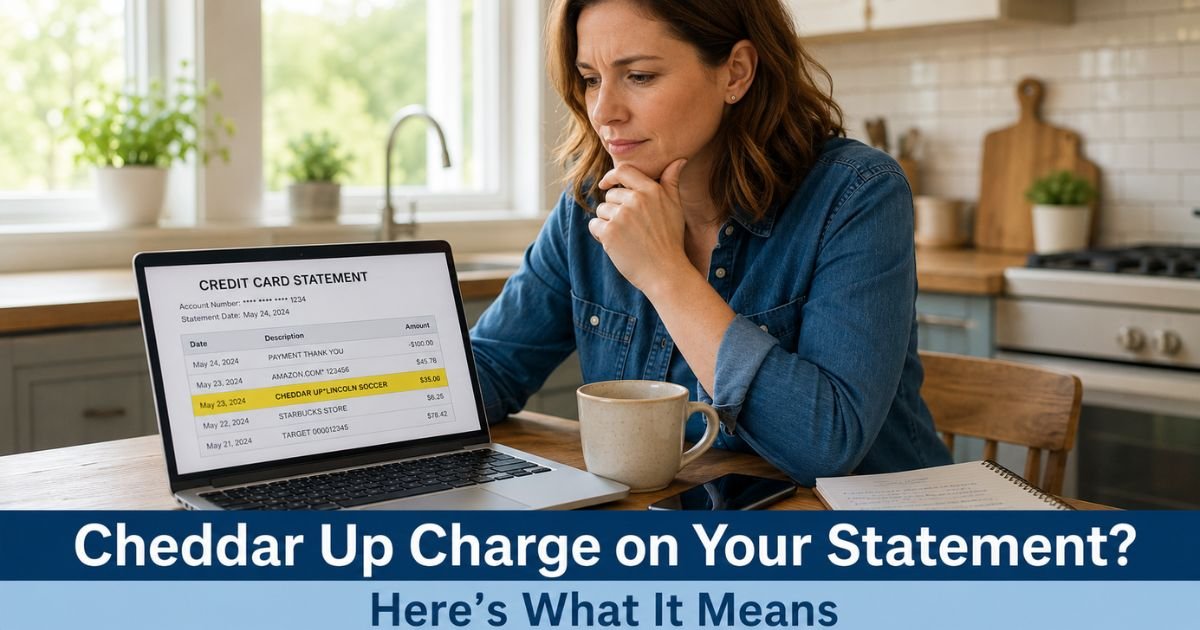
You open your credit card statement and notice a charge from Cheddar Up that you don’t immediately recognize. It’s a common surprise for parents and anyone involved with schools, sports teams, or community groups.
A Cheddar Up charge on credit card statements almost always connects to a legitimate payment made through their platform.
What Is Cheddar Up?
Cheddar Up is an online platform designed for groups and nonprofits to collect money and information in one place. Organizers create “collections” for things like:
- Sports team dues and registration fees
- School fundraisers and event tickets
- Scout troop payments or product sales
- PTA or HOA fees
- Team apparel, spirit wear, or group gifts
Payers don’t need an account to pay. They simply click a link, enter their card details, and complete the transaction. The platform is free for most organizers to use, while payers often cover a convenience fee on credit card transactions.
Why a Cheddar Up Charge Appears on Your Statement
Cheddar Up charges show up because you or someone in your household made a payment through one of their collections. The statement descriptor usually shows either:
- The first 19–22 characters of the collection title (for example, “Lincoln Elementary Field Trip” or “Spring Soccer Dues”)
- “Cheddar Up” as the processor name
Organizers can customize the descriptor in their settings, but many leave it as the default collection name. This is why the charge sometimes looks unfamiliar even when it’s legitimate.
Common Mistake: Assuming every unrecognized charge is fraud. Many Cheddar Up charges come from kids’ activities that a spouse, partner, or older child handled. Always check with family members and recent emails before disputing.
Is a Cheddar Up Charge Legitimate?
In the vast majority of cases, yes. Cheddar Up is a well-established platform used by over 100,000 groups across the country. The charge represents real money collected for a specific purpose.
That said, you should still verify it. If no one in your household remembers signing up for anything, the charge could come from:
- A forgotten registration or fundraiser link you clicked weeks earlier
- A payment made by another authorized user on the card
- A rare case of unauthorized use
How to Identify What the Cheddar Up Charge Is For
Follow these steps to track down the source:
- Search your email (including spam) for messages from Cheddar Up or the group name. Look for subject lines about registration, dues, events, or fundraisers.
- Check your recent online activity. Think about any school forms, sports sign-ups, or community event links you may have opened.
- Review the exact date and amount on your statement. Match it against anything you or your family members paid recently.
- Ask other card users in your household if they remember making a payment.
Pro Tip: When you receive an email link for a school or team payment, forward it to yourself with a clear subject line like “Soccer dues 2026” before paying. This small habit makes future charges much easier to identify.
How to Cancel or Request a Refund for a Cheddar Up Charge
Cheddar Up itself doesn’t decide refunds. The group organizer controls that. Here’s the best process:
- Contact the organizer directly (coach, teacher, troop leader, or PTA treasurer). Explain the charge and ask for a cancellation or refund.
- Provide the transaction date and amount to help them locate it in their Cheddar Up account.
- If the organizer agrees to a refund, they can process it through the platform. Refunds typically appear on your statement within 7–10 business days.
- If you can’t reach the organizer or get no response within a few days, contact Cheddar Up support at friendlysupport@cheddarup.com or through their contact form.
Keep records of all communication in case you need to involve your card issuer later.
| Situation | Recommended First Action | Who Can Help Most | Typical Refund Timeline |
|---|---|---|---|
| You remember the event or dues | Contact the group organizer directly | Organizer (coach, leader, etc.) | 7–10 business days |
| No email or organizer details | Search email again + contact Cheddar Up | Cheddar Up support | 5–10 business days |
| Charge seems completely unknown | Cheddar Up support + notify card issuer | Both Cheddar Up and your bank | Varies (dispute may take longer) |
| Recurring or subscription-style | Ask organizer to cancel future payments | Organizer first | Immediate for future charges |
What to Do If You Don’t Recognize the Charge at All
Start with a thorough email search and ask everyone who uses the card. If nothing matches, reach out to Cheddar Up support with the transaction details. They can often identify which collection and organizer the payment went to.
If support cannot help and you believe the charge is unauthorized, contact your credit card issuer to dispute it. Most issuers will temporarily remove the charge while they investigate. You can also ask them to add extra monitoring to your account.
How to Avoid Surprise Cheddar Up Charges
- Review new charges on your statement or banking app every few days.
- Keep a simple folder or note on your phone for school and activity emails.
- Set calendar reminders for known payment deadlines (sports registration, school fees, etc.).
- When possible, use a virtual card number for one-time group payments.
These habits catch most unexpected charges before they become recurring problems.
FAQs On Cheddar Up Charge on Credit Card
Is a Cheddar Up charge on my credit card legitimate?
Yes, Cheddar Up charges are almost always legitimate. They represent payments made to schools, sports teams, Scout troops, or other community groups through their platform. The charge may show the event name or simply “Cheddar Up” depending on how the organizer set it up.
How do I cancel a recurring Cheddar Up payment?
Contact the group organizer first and request they cancel future payments in their Cheddar Up account. If you cannot reach them, submit a request to Cheddar Up support. They can help connect you with the right person or guide you on next steps.
Can I get a refund for a Cheddar Up charge I don’t want?
Refunds are handled by the group organizer, not Cheddar Up directly. Reach out to the organizer with your transaction details and ask for a refund. If they process it through the platform, the money usually returns to your card within 7–10 business days. Keep records of your request in case you need to escalate.
Conclusion
A Cheddar Up charge on credit card statements usually means someone in your household paid for a school activity, sports fee, fundraiser, or group event. These charges are common and legitimate in most cases.
Start by checking your email and talking with family members. Then reach out to the organizer or Cheddar Up support if needed. Acting quickly often leads to the easiest resolution, whether that’s a simple explanation or a refund.
Disclaimer: This content is for informational and educational purposes only and does not constitute professional, financial, legal, or medical advice. The information provided may not apply to your specific situation. Always consult a qualified professional for personalized guidance.