What is Cartpanda Charge on Credit Card Statement?

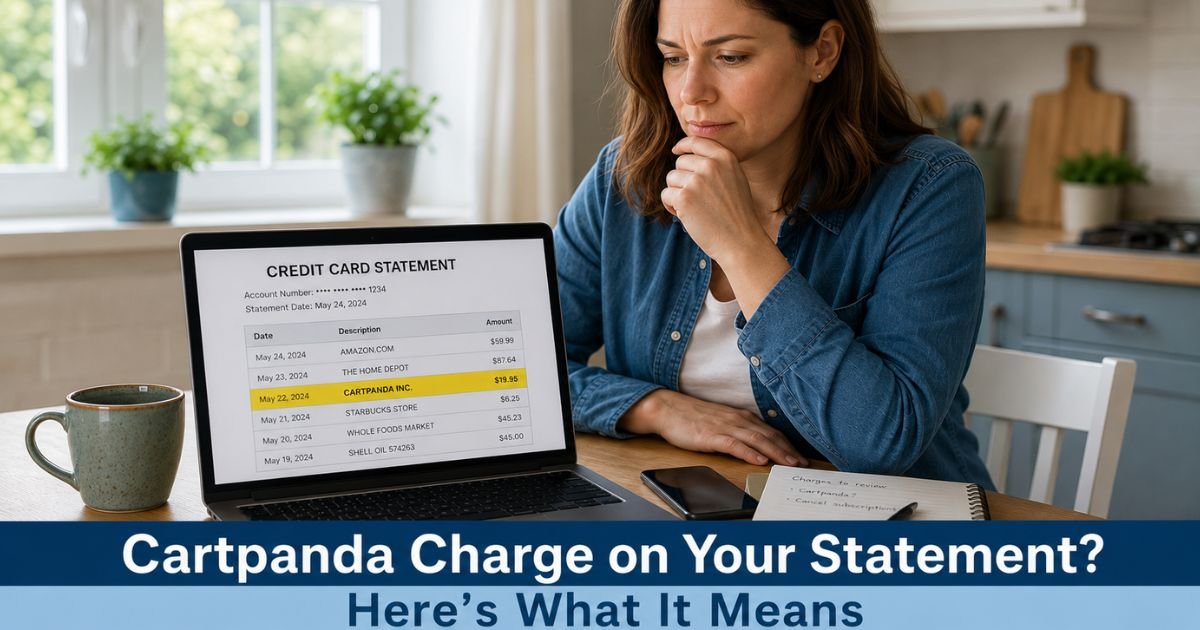
You open your credit card statement and see a charge from Cartpanda or Cartpanda Inc. that you don’t immediately recognize. It’s easy to feel concerned when an unfamiliar name shows up, especially after shopping online.
A Cartpanda charge on credit card statements almost always connects to a real purchase made through their platform.
Cartpanda is an e-commerce checkout and order management system used by many online sellers. When you buy from a store that uses Cartpanda, the charge appears under their name instead of the individual store.
Understanding this process helps you track down the order and take the right next steps.
What Is Cartpanda?
Cartpanda is a platform that helps online merchants create stores, manage orders, and process payments. Many smaller sellers and dropshipping businesses use it as their checkout solution.
In many cases, Cartpanda acts as the “merchant of record,” meaning they handle the payment and customer service for the transaction even though the product may come from a third-party seller.
This setup is common with products advertised on social media platforms like Instagram and Facebook. You click an ad, complete checkout on a Cartpanda-powered page, and the charge later shows as CARTPANDA on your statement.
Why a Cartpanda Charge Appears on Your Statement
These charges usually appear because you (or someone using your card) made a purchase from an online store built on the Cartpanda platform. Common scenarios include:
- Buying a product after seeing a video ad on social media
- Signing up for a subscription or recurring delivery through a Cartpanda store
- Purchasing from a smaller online shop that uses Cartpanda for payments instead of Shopify or similar platforms
The descriptor on your statement is typically “CARTPANDA,” “Cartpanda Inc.,” or a variation. Because many of these stores sell niche or imported products, people sometimes forget the purchase or don’t connect the name to what they ordered.
Is a Cartpanda Charge Legitimate?
In most cases, yes. Cartpanda is a real payment processing platform used by legitimate merchants. The charge reflects an actual order placed through one of their checkout pages.
However, like many online marketplaces, the quality of individual sellers varies. Some buyers report issues with product quality, shipping delays, or difficulty getting refunds from certain stores using the platform. There are also occasional reports of misleading ads that lead to purchases people later regret.
The key is to verify the specific order rather than assuming the charge itself is fraudulent.
Common Mistake: Waiting too long to check the charge or request a refund. Many online sellers and platforms have time limits on returns and refunds. Acting quickly gives you the best chance of resolving the issue smoothly.
How to Identify Your Cartpanda Order
Follow these steps to find exactly what you purchased:
- Search your email inbox and spam folder for messages from Cartpanda, orders.cartpanda.com, or any confirmation that mentions your order number.
- Visit the official order lookup page at orders.cartpanda.com and enter your email address or order details.
- Check your recent online activity, especially any social media ads or checkout pages you visited in the days before the charge.
- Look at the exact amount and date on your statement and match it against anything you remember buying.
Pro Tip: When shopping from social media ads, take a quick screenshot of the product page and store name before completing your purchase. This makes it much easier to identify charges later if the store name doesn’t match what appears on your statement.
How to Cancel or Request a Refund for a Cartpanda Charge
Cartpanda handles refunds and customer service for orders processed through their platform. Here’s the typical process:
- Go to orders.cartpanda.com and locate your order using your email address.
- Review the order details, tracking information, and the seller’s return policy.
- If you want to cancel or return the item, contact Cartpanda support directly at support@cartpanda.com. Include your order number, the reason for the request, and any relevant details.
- Follow any instructions they provide. Refunds are usually issued to the original payment method within 7 business days, though they can take 1–2 billing cycles to appear on your credit card statement depending on your issuer.
If the seller has a specific return window, you’ll need to act within that timeframe. Digital products often have stricter refund rules.
| Situation | Best First Step | Who to Contact | Expected Refund Timeline |
|---|---|---|---|
| You remember the purchase | Check orders.cartpanda.com | Cartpanda support | 7 business days + 1 billing cycle |
| No email or order details found | Search email thoroughly + support form | Cartpanda support | 7–14 business days |
| Product arrived damaged or wrong | Document everything + contact support | Cartpanda support first | Varies by seller policy |
| Completely unrecognized charge | Cartpanda support + card issuer if needed | Both | Longer if dispute is filed |
What to Do If You Don’t Recognize the Cartpanda Charge
If you cannot find any matching order after searching your email and the orders.cartpanda.com page:
- Contact Cartpanda support at support@cartpanda.com with the transaction date and amount. Ask them to identify the associated order and seller.
- If they cannot verify a legitimate purchase tied to you, request that the charge be removed.
- If Cartpanda does not resolve the issue or you believe the charge is unauthorized, contact your credit card issuer immediately to dispute it. Provide any documentation showing you have no record of the purchase.
Most issuers allow disputes within 60 days of the charge posting. Acting promptly protects your rights.
How to Avoid Surprise Cartpanda Charges in the Future
- Review new charges on your statement or banking app every few days.
- Be cautious with social media video ads that lead to checkout pages you don’t recognize.
- Use virtual card numbers or privacy tools for one-time online purchases when possible.
- Keep a simple note or folder for online orders so you can easily match charges later.
These habits help you catch unexpected charges early and make it simpler to resolve them.
FAQs On Cartpanda Charge on Credit Card
Is a Cartpanda charge on my credit card a scam?
Cartpanda itself is a legitimate e-commerce platform used by many online sellers. Most charges reflect real purchases. However, some buyers report issues with product quality or refund processes from individual stores using the platform. Always verify the specific order through orders.cartpanda.com before assuming fraud.
How long does it take to get a refund from Cartpanda?
Cartpanda typically processes refunds within 7 business days after approval. The money may take an additional 1–2 billing cycles to appear on your credit card statement, depending on your card issuer. Contact support@cartpanda.com with your order number to start the process.
How do I find my order if I only see Cartpanda on my statement?
Visit orders.cartpanda.com and enter the email address you used for shopping. You can also search your email for Cartpanda order confirmations. If you still cannot locate the order, email Cartpanda support at support@cartpanda.com with the charge date and amount for assistance.
Conclusion
A Cartpanda charge on credit card statement usually means you bought something from an online store that uses Cartpanda for checkout and payments. These charges are common with social media ads and smaller online shops.
Start by checking your email and visiting orders.cartpanda.com to identify the exact purchase. Then reach out to Cartpanda support if you need to cancel or request a refund. Acting quickly gives you the best results.
If nothing matches after thorough checking, contact your card issuer to dispute the charge. Staying on top of new transactions helps you avoid surprises and resolve issues faster when they come up.
Disclaimer: This content is for informational and educational purposes only and does not constitute professional, financial, legal, or medical advice. The information provided may not apply to your specific situation. Always consult a qualified professional for personalized guidance.