What is Pwicare Charge on Credit Card?

A PWICARE charge on credit card statements may be tied to an online purchase or membership supported by the billing service at pwicare.com. The name may be unfamiliar because it can be different from the website you originally visited.
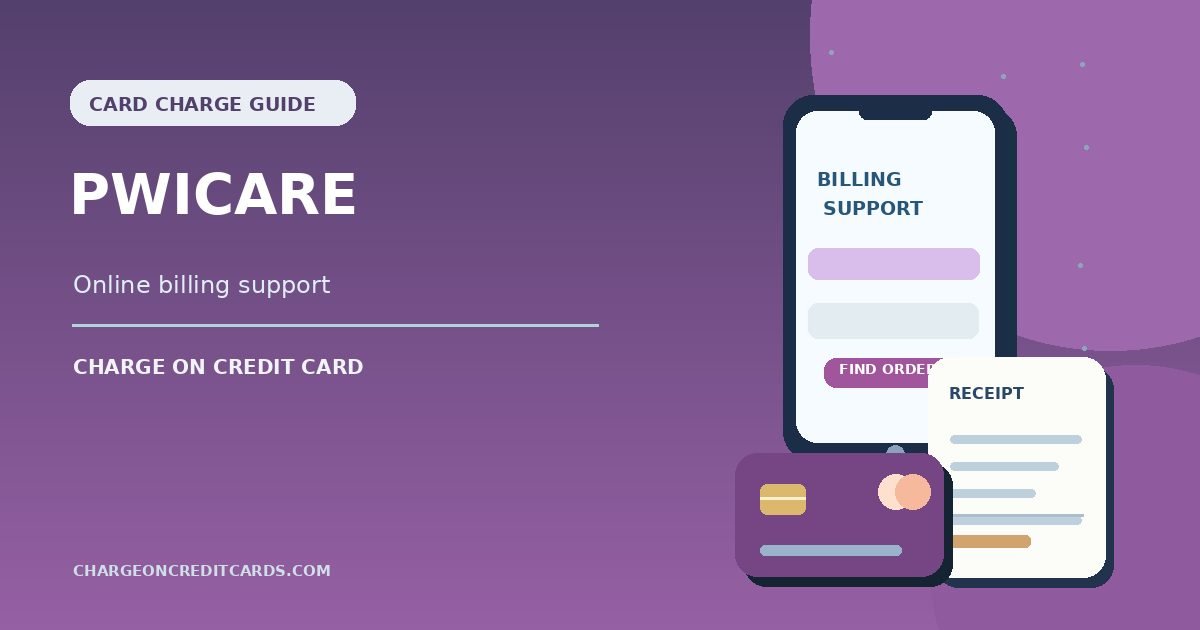
PWICARE operates an order lookup and billing support portal. This guide shows how to identify the actual purchase, request cancellation, check refund terms, and respond if you did not authorize the charge.
What Is Pwicare Charge on Credit Card?
PWICARE is a customer billing assistance website that offers tools for people with unrecognized online transactions, membership payments, and other billing questions. Its public site identifies Digigamma BV and Gamma Entertainment as suppliers.
The billing support service may be associated with a subscription or online purchase where the customer-facing brand was different. However, a support portal alone does not prove the specific website or item behind your card transaction.
The service’s order locator asks for portions of card information and an email address through a secure form. Use only a confirmed official domain and avoid sending complete card information by regular email.
Do not assume a fixed charge amount, membership type, renewal period, or refund guarantee from the descriptor. Your purchase terms and merchant payment records control these details.
Why PWICARE Appears on a Card Statement
You may have enrolled in an online service where billing support was handled through PWICARE or a related supplier. The card statement can show a billing entity instead of the site’s brand.
A subscription renewal may occur after an initial billing period if you accepted a recurring plan. Check the original receipt and renewal notice rather than assuming every PWICARE payment is monthly.
A household member may have used a shared card for a digital product. Ask about online purchases privately and verify the amount without accessing another person’s account.
An initial checkout can sometimes create an authorization that is not the final payment. Check pending versus posted status before reporting the amount as a completed charge.
If nobody can explain the transaction, an unauthorized charge is possible. The fact that the billing support domain exists is not proof you approved the payment.
How to Look Up Your PWICARE Order
Start by opening the exact entry in your bank app and recording its amount, posting date, and any extra descriptor text. Search your receipts for pwicare.com and the original online service name.
PWICARE’s official website provides a Locate Order option. It requests limited card digits and other information to search for a payment, so check the browser address carefully before using it.
If you are uncomfortable entering any card information online, contact the customer support channel listed on the official site or ask your issuer for more merchant details.
The site’s support material lists email support and contact forms. Explain which charge you need to identify using only the information needed for the investigation.
If an order is found, compare the item or subscription name, the accepted checkout terms, renewal date, and total charged. Do not cancel a different account just because an email address happens to match.
How to Cancel Unwanted PWICARE Billing
If an active subscription is confirmed, ask the actual merchant or PWICARE support to cancel it under the terms you accepted. Request the effective cancellation date in writing.
Check whether the billing company handles cancellation directly or must forward the request to a specific service provider. Different websites can have different renewal rules.
Keep any cancellation email or support ticket and review the next card statement. A cancellation request is not complete evidence until the service confirms that renewal is disabled.
If a charge appeared after a confirmed cancellation, send the date and proof to the verified support channel. Ask for a billing review and written refund decision.
If you never consented to the transaction, report it to the bank rather than relying only on a seller’s cancellation form. Fraud reporting and voluntary cancellation are different processes.
Refunds and Safe Customer Support
Refund eligibility depends on the original purchase terms and the reason for the request. Do not assume a full refund simply because you stopped using the service.
PWICARE’s support website offers assistance for disputed billing, but it does not establish the outcome of your specific claim. Ask for the policy that applied at checkout.
Be careful with search-engine ads promising instant cancellation for a fee. You should not need to buy another paid service just to ask the original provider about your own transaction.
Never email your full credit card number, expiry date, or card security code. A secure support form and direct contact with your issuer are safer than sharing complete credentials in messages.
If the merchant claims to refund a payment, check the card account for the actual posted credit. It may appear separately from the original transaction.
Check the Complete Statement Entry
Open your secure credit card app and copy the full description, date, amount, and any merchant city. A billing descriptor may use a legal business name or payment processor instead of the product or website you recall.
Search your email for the same amount, order confirmation, renewal notice, or subscription receipt. Check online accounts you own and ask other authorized cardholders whether they recognize the purchase.
Review the payment’s status. A pending authorization is not the same as a settled charge and may disappear or change after processing. Check whether two apparent entries have both posted before assuming duplicate billing.
If you find a matching purchase but disagree with the amount, ask the actual merchant for an itemized invoice. Keep its response and your checkout records to help explain the difference.
What to Do If the Charge Was Unauthorized
Contact the issuer through its official app or the number printed on your card. Ask for the legal merchant name, merchant category, and transaction reference. Explain what you checked rather than claiming a particular company caused a payment without proof.
If nobody approved the charge, report unauthorized use and ask whether to lock or replace the card. A fraud investigation differs from a normal subscription cancellation or merchandise return.
For many billing errors on US credit cards, the CFPB says you should send a written billing-error notice within 60 calendar days after the issuer sent the first statement with the error. Follow the instructions and special address on your own statement.
Keep a copy of the disputed entry, case number, and correspondence. A chargeback is an investigation and not a guaranteed refund. You may still need to pay the undisputed balance while it proceeds.
Prevent Confusing Charges in the Future
Enable purchase notifications when your card issuer offers them. An alert near checkout can help you connect a billing name with something you just bought.
Keep receipts and subscription confirmations in a searchable email folder. Record the company, amount, product, payment account, and renewal date so you can identify repeat billing later.
Cancel legitimate ongoing services with the provider or app store that actually manages the payments. Deleting the app or switching card numbers may not end a contract you agreed to.
Never provide a full card number, bank password, or one-time security code to an unfamiliar charge lookup service. Use the official merchant website or your issuer’s secure help channel.
For more on ending an authorized monthly payment, read our recurring charge cancellation guide.
Official Information and Remaining Uncertainty
PWICARE publicly describes itself as a billing support service and offers order lookup, cancellation help, and customer inquiries. Its site identifies Digigamma BV and Gamma Entertainment as suppliers. That establishes a support channel but not the particular website or plan you purchased.
See PWICARE’s official customer billing support for the published information described here. The Consumer Financial Protection Bureau’s billing-error guidance explains your rights. Neither source can confirm the particular person who approved your card transaction.
FAQs On Pwicare
Q: Is PWICARE a subscription service?
A: PWICARE describes itself as a billing support service. Your payment may be connected to another online subscription, which needs verification.
Q: How can I locate my PWICARE payment?
A: Use the official pwicare.com order locator or verified support and compare the returned purchase details with your statement.
Q: Can I cancel through PWICARE?
A: It offers billing and membership assistance. Ask whether it handles the cancellation for your specific underlying service.
Q: What if I never bought anything online?
A: Ask other authorized users, then report the unrecognized payment to your card issuer promptly.
Conclusion
Pwicare charge on credit card statements is best explained by a matching merchant record and actual account history. The official order lookup is a useful first step, but the original seller and checkout terms explain exactly what was billed.
Check your receipts, any approved renewal, and the bank’s transaction details. If the payment remains unexplained or unauthorized, contact your issuer promptly.
Disclaimer: This article provides general information only, not financial or legal advice. Policies vary by issuer and merchant, so confirm account-specific questions with the company or your bank.