What is FTCOA Charge on Credit Card?

An FTCOA charge on a credit card is not currently linked to one reliably established merchant from the abbreviation alone. Some internet pages suggest timeshare or vacation-club payments, but the alleged business identity is unverified.
A card descriptor can be a shortened legal business name, processor label or internal reference. This guide explains how to request the full information, check authorized transactions and report an unknown payment without relying on guesses.
What Is FTCOA Charge on Credit Card?
FTCOA is a five-letter billing description that does not itself identify an industry, product, subscription or company.
Some directories expand FTCOA to Fidelity Transaction Company of America. I could not verify that expansion through a reliable company registration or direct merchant statement describing card charges.
Credit card descriptions are often truncated or simplified by merchants and banks. Similar-looking abbreviations can refer to unrelated businesses.
Treat a proposed timeshare, vacation club or membership link only as a possibility to check when you have your own relevant purchase record, not as an established explanation.
Why the FTCOA Name Cannot Identify One Seller
Different issuers may show varying lengths of a company’s business description. A shortened label can omit the store, payment channel or contact information needed for identification.
Five letters are too little information to establish a legal business. A name suggested by a search result may have no documented connection to the card network merchant.
Some articles repeat the same expansion as if it were a bank-approved definition. Repetition does not replace a statement from the alleged company or a matching bank record.
The issuer may have a merchant category code, payment website or longer merchant-of-record name. Those details provide a better basis for finding the actual seller.
If the statement includes an additional city, state, telephone number or letters after FTCOA, preserve the complete string because it may narrow the identification.
Check Purchases Without Assuming a Timeshare
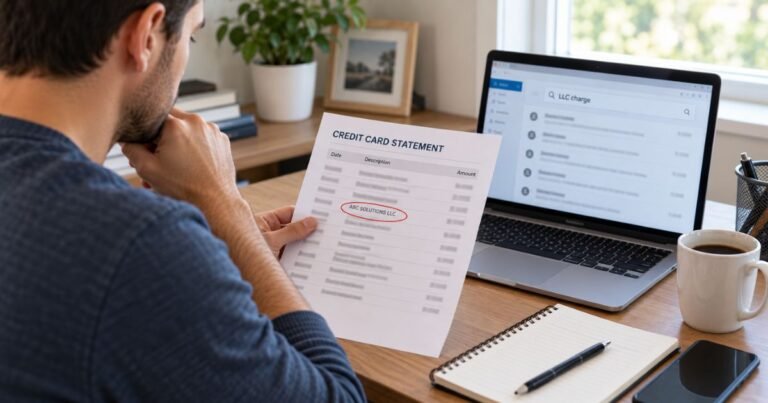
Search email and payment receipts for the exact amount and approximate date. The merchant may appear on the receipt under a public trading name entirely different from FTCOA.
If you personally have a vacation-club account or own a timeshare, review its latest statements as one possible check. Do not assume such ownership simply because an online article mentions that category.
Compare any maintenance invoice, installment or renewal with the card’s amount and payment method. A matching business name without a matching transaction is not enough.
If you do not have vacation-related purchases, search your ordinary subscription, ecommerce, service and wallet payment records instead. Keep the investigation broad until evidence narrows it.
Ask other authorized card users about relevant purchases. An issuer can provide stronger merchant identification when nobody has a matching invoice.
Does FTCOA Mean a Subscription or Installment?
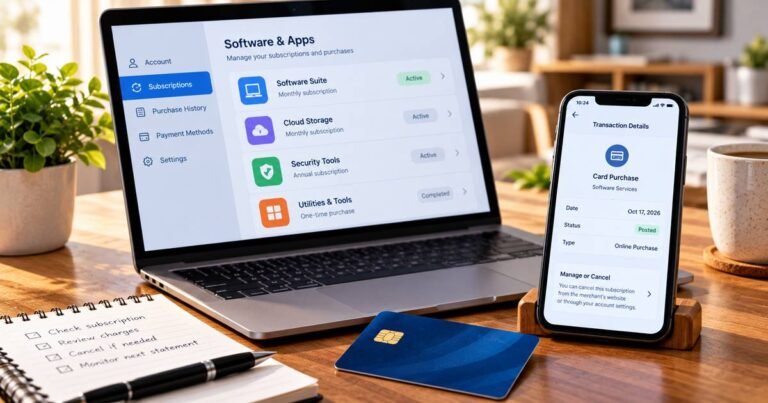
One FTCOA entry does not prove there is a subscription. Repeated amounts can be renewals, installments, separate sales or unwanted card use.
Record the date and amount of each completed payment. Ask the bank whether the merchant indicated a recurring authorization or a card-on-file agreement.
If the issuer confirms the merchant, contact that company through its independently verified support and request the original checkout or contract terms.
Do not create a new account or give card information to a site that advertises FTCOA cancellation without demonstrating it is the responsible business.
If you cannot identify any authorized agreement, report the payment to the issuer rather than attempting to cancel a guessed plan.
Pending FTCOA Charges and Card Security
An unknown entry might be pending, completed or declined. The status matters because a temporary authorization may disappear without a completed debit.
A small transaction can be legitimate, an account verification or an attempted unauthorized test. The amount alone cannot establish which scenario happened.
If several unfamiliar attempts appear in a short period, tell the bank’s fraud department immediately. It can advise whether the card number should be replaced.
Do not wait for an unrelated merchant found through an acronym search to answer before contacting the issuer about suspected unauthorized use.
If the issuer identifies a real seller, use that information to request an invoice or seek a correction while preserving any fraud investigation record.
Check the Full Merchant Information
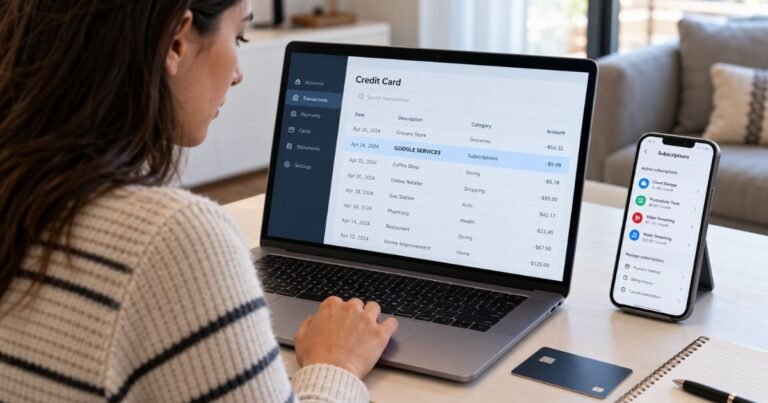
Open the transaction in your bank’s secure app and record the complete statement description, amount, date, business location and reference. The abbreviated name can differ from the website or business the cardholder recognizes.
Determine whether the amount has settled. A pending authorization might disappear or be replaced by a final debit, so two visible items do not always mean two completed charges.
Search email by the amount and approximate date, not just the merchant name. Check receipts, subscriptions and payment wallets you control, and ask authorized card users if a matching purchase was made.
An online merchant directory may give a plausible category, but a guess is not sufficient evidence of an individual transaction. Ask the issuer for its expanded merchant-of-record information when the description is unclear.
Keep the original receipt, account statements and correspondence. These records help distinguish a legitimately purchased service from a billing error or unauthorized card use.
What to Do About a Wrong or Unauthorized Charge
For an identified purchase with the wrong amount, request an itemized invoice and a written explanation of the price, taxes and any extras. Save the provider’s response for comparison.
If nobody recognizes a posted payment, contact the issuer promptly using the number on the card or its authenticated application. Ask whether the card should be locked or replaced while the transaction is investigated.
For many US credit card billing errors, the CFPB explains that written notice should be sent within 60 calendar days after the first statement containing the mistake was sent. Follow the special billing-error procedure.
Save the dispute number, transaction reference and any merchant reply. A chargeback opens a review and is not an immediate guarantee that the issuer will return money.
Never give complete card details, security codes, one-time banking codes or passwords to an unidentified company offering to investigate an unfamiliar statement label.
Recurring Payments, Credits and Safer Account Habits
Repeated entries can represent recurring subscriptions, separate purchases, installment payments or processing mistakes. Only a matching agreement and invoices can establish the reason.
If a confirmed service renews, cancel it through the verified business or platform managing payment. Deleting an app or replacing a card does not necessarily cancel a valid agreement.
When a merchant refunds a completed charge, a separate statement credit commonly appears. A temporary pending authorization may instead disappear after release.
Enable payment alerts and store receipts so that legal merchant names are recognizable when charges appear. Review low-value transactions too, especially when an authorized purchase cannot explain them.
Check the next statement after any cancellation or fraud investigation. Contact the issuer again if new unexplained transactions appear under the same description.
Primary Sources and Limits of the Evidence
Reliable public records do not establish a universal merchant identity for FTCOA. Some online pages speculate that it means Fidelity Transaction Company of America and is connected with timeshare maintenance fees. Those claims lack authoritative first-party merchant documentation, so they should not be presented as verified.
Review CFPB’s official billing-error guide for authoritative guidance. The CFPB’s billing-error resource explains disputes, and our unfamiliar charge checklist provides further verification steps. For another unidentified company-style descriptor, see our PayHealth Inc guide.
FAQs About FTCOA
Q: Who is FTCOA?
A: No universally verified company identity is established from the descriptor alone.
Q: Does FTCOA stand for Fidelity Transaction Company of America?
A: That expansion appears on some sites but lacks reliable independent official verification.
Q: Is it always a timeshare charge?
A: No. A timeshare or vacation-club payment is not proven by the abbreviation.
Q: How do I dispute an FTCOA charge?
A: Ask the card issuer for the merchant details and report a posted payment nobody authorized.
Conclusion
FTCOA card payments should be matched to the issuing bank’s merchant details and a real purchase record. The actual legal merchant must be established before a specific cancellation or refund route can be recommended.
A recognized service should be managed through its legitimate billing channel. If nobody authorized a posted payment, ask your issuer to investigate promptly.
Disclaimer: This article is for general information, not financial or legal advice. Merchant identities, payment terms, refund rules and issuer procedures vary. Verify the individual transaction with the responsible company or card issuer.