What Is a Ring-1 Charge on Credit Card?


Have you ever checked your bank statement and spotted a Ring-1 charge on credit card? It’s one of those moments that can make your heart skip a beat. You’re not alone, many people notice these charges and wonder if it’s a scam, a forgotten purchase, or something else entirely.
Understanding Ring-1: The Basics
Ring-1 isn’t your typical online store or subscription service. It’s actually the name of a website, Ring-1.io, that specializes in selling software cheats and hacks for popular video games.
These tools give players unfair advantages in multiplayer games, like aiming assistance or seeing through walls. Games affected include big titles such as Destiny 2, Rainbow Six Siege, Escape from Tarkov, and Call of Duty: Warzone.
If you’ve bought something from their site, the charge could appear as “Ring-1” or a similar variation on your statement.
Prices for these cheats vary, daily access might cost around $10, while monthly subscriptions can run up to $60 or more, depending on the game. It’s all digital, so there’s no physical product shipped to your door.
But here’s the catch: using cheats like these is against the rules in most games. Developers like Bungie (for Destiny 2) and Ubisoft (for Rainbow Six Siege) have even filed lawsuits against Ring-1 for damaging their games’ fairness.
In one high-profile case, Bungie pursued legal action that heated up with claims involving Bitcoin payments and cheat distribution. So, while the site operates, it’s in a gray area legally and ethically.
Why Does a Ring-1 Charge Appear on Your Card?
There are a few common reasons you might see this charge pop up.
Let’s look at them one by one:
- Legitimate Purchase by You or a Family Member: If you’re into gaming, maybe you decided to try out a cheat for a tough level. Or perhaps a teenager in your household used your card without asking. Cheats are often bought impulsively, and the charge might slip your mind until the statement arrives.
- Subscription Renewal: Ring-1 offers time-based access, like daily, weekly, or monthly keys. If you signed up once, it could auto-renew, leading to recurring charges. Check your email for any confirmation from Ring-1.io.
- Unauthorized Use: This is the scary one. If your card details were stolen—through a data breach, phishing, or skimming—someone else might have used them to buy cheats. Gamers looking for quick advantages sometimes turn to stolen cards for these purchases.
- Mistaken Identity: Sometimes, charges from other “Ring” related services get confused. For example, Ring (the smart doorbell company) charges for subscriptions, but those usually show as “Ring” or “Ring Protect.” Ring-1 is distinct because of the gaming cheat connection.
In recent news, a streamer accidentally revealed a Ring-1 subscription on screen, sparking discussions about how these charges appear. It highlights how even public figures deal with this stuff.
Spotting If the Charge Is Legit or Fraudulent
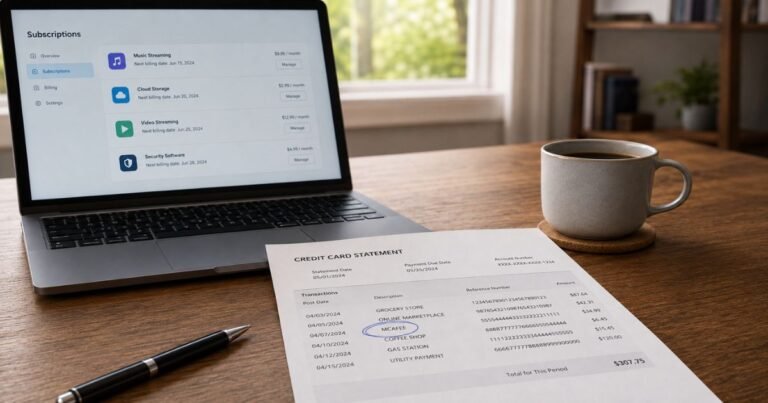
Not sure if that Ring-1 entry is okay? Here’s how to tell. Start by logging into your credit card account online or via the app. Look for details like the exact amount, date, and merchant info.
Signs it might be legitimate:
- You recognize the amount (e.g., $10 for a day pass).
- There’s a matching email receipt from Ring-1.io.
- You’ve recently played one of the games they support.
Signs of potential fraud:
- The charge is for an unfamiliar amount.
- You don’t game or haven’t visited Ring-1.io.
- Multiple small charges appear, testing the card.
To help you compare, here’s a quick table:
| Aspect | Legitimate Charge | Potential Fraud |
|---|---|---|
| Amount | Matches known prices ($10-$60) | Random or very high/low |
| Frequency | One-time or expected renewal | Unexpected multiples |
| Your Activity | Recent gaming or site visit | No connection to gaming |
| Receipt | Email from Ring-1.io | No confirmation |
If it doesn’t add up, act fast—credit card companies often have a 60-day window for disputes.
Steps to Dispute a Suspicious Ring-1 Charge
If you think the charge is bogus, don’t panic.
Here’s a step-by-step guide to handle it:
- Contact Your Card Issuer Immediately: Call the number on the back of your card. Explain the charge and request a dispute. They’ll likely freeze the card and issue a new one.
- Gather Evidence: Screenshot your statement, note any related emails (or lack thereof), and recall your recent activity. If it’s fraud, mention if your card was compromised elsewhere.
- Report to Ring-1 (If Needed): If it seems like a mistake on their end, reach out via their site. But be cautious—avoid sharing more personal info.
- Monitor for More Issues: Check other accounts for unusual activity. Change passwords and enable two-factor authentication everywhere.
- File a Police Report if Necessary: For larger amounts or identity theft, this strengthens your case with the bank.
Disputing usually leads to a temporary credit while they investigate. In cases involving cheats like Ring-1, banks are familiar with unauthorized gaming purchases.
Preventing Future Ring-1 or Similar Charges
Nobody wants surprise charges, right?
Here are some tips to stay safe:
- Use Virtual Cards: Services like Privacy.com let you create one-time-use card numbers for online buys.
- Set Up Alerts: Most banks offer text or email notifications for charges over a certain amount.
- Review Statements Monthly: Make it a habit to scan for anything odd.
- Educate Family: Talk to kids about not using cards without permission, especially for gaming extras.
- Avoid Risky Sites: If you’re tempted by cheats, remember the bans and legal risks. Stick to fair play for a better experience.
By staying vigilant, you can avoid most issues. Gaming should be fun, not a financial headache.
The Risks of Using Ring-1 Cheats
Beyond the charge itself, buying from Ring-1 comes with downsides. Cheats can lead to permanent game bans, ruining your account.
Plus, downloading software from such sites risks malware that steals more data. Developers are cracking down, Bungie shut down Ring-1 operations in some regions through lawsuits. It’s a reminder that shortcuts in games can cost you in real life.
If you’re into gaming, consider legit ways to improve: practice, watch tutorials, or join communities. It’s more rewarding and keeps your wallet safe.
FAQs On Ring-1 Charge on Credit Card
Q: What should I do if I see a Ring-1 charge but don’t remember buying anything?
A: Contact your credit card company right away to dispute it. Provide details and request a new card to prevent further issues.
Q: Is Ring-1 the same as the Ring doorbell company?
A: No, they’re different. Ring-1 sells game cheats, while Ring (from Amazon) is for home security. Check the charge description to confirm.
Q: Can using Ring-1 cheats get me in legal trouble?
A: Not usually for buyers, but game companies can ban you. Sellers like Ring-1 face lawsuits from developers for violating terms.
Conclusion
Spotting a Ring-1 charge on credit card can be confusing, but now you know it’s likely tied to gaming cheats from Ring-1.io. Whether it’s a legit buy, a family member’s slip-up, or fraud, quick action is key. Stay on top of your statements, and you’ll catch these things early.
Disclaimer: This article is for informational purposes only and not financial or legal advice. Always consult your bank or a professional for personalized guidance.