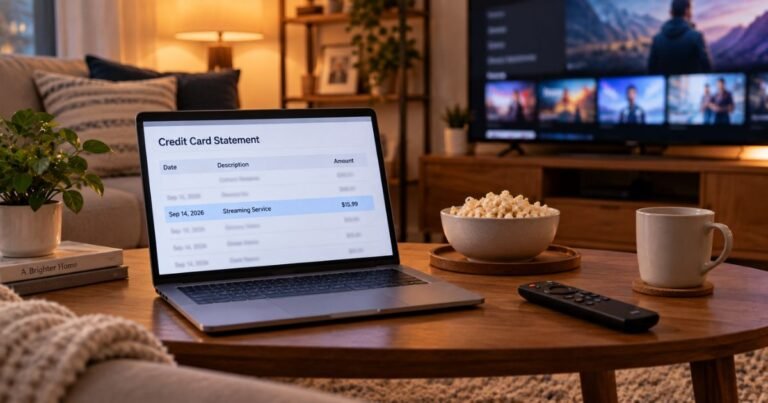
How to Find Out What a Charge Is on Credit Card?

Knowing how to find out what a charge is on credit card can save you time and help you avoid payment mistakes. You should use your own banking records or authorized payment tools, not an unverified third-party service.
This guide explains the relevant steps, what information to check, and how to protect yourself or your customers during the process.
How Do You Find Out What a Credit Card Charge Is?
Finding an unfamiliar card charge starts with the complete descriptor, amount, date, and payment status. You can often match these details with a receipt, subscription, wallet purchase, or authorized family transaction before asking the bank to identify the seller.
The important distinction is between an authorized payment and an uncertain card charge. Use tools appropriate to your role, whether you are a cardholder identifying a transaction or a seller collecting a payment.
Common Situations That Require These Steps
The seller uses a different legal name on its statement. Match the transaction or customer authorization to a written record before you draw a conclusion.
A payment processor appears instead of the shop you visited. Check the original order or service date, which may differ from the card’s posting date.
An old subscription, trial, or split shipment created a separate line. Ask whether an authorized user made the purchase before assuming card misuse.
A pending authorization looks like a new completed payment. Do not treat a possible explanation as confirmed without matching the money and merchant.
Step-by-Step Verification and Setup
Begin with a record you can independently verify, such as an official bank application, a PayPal business dashboard, or a customer’s authorized invoice. Never begin by following an unsolicited payment link.
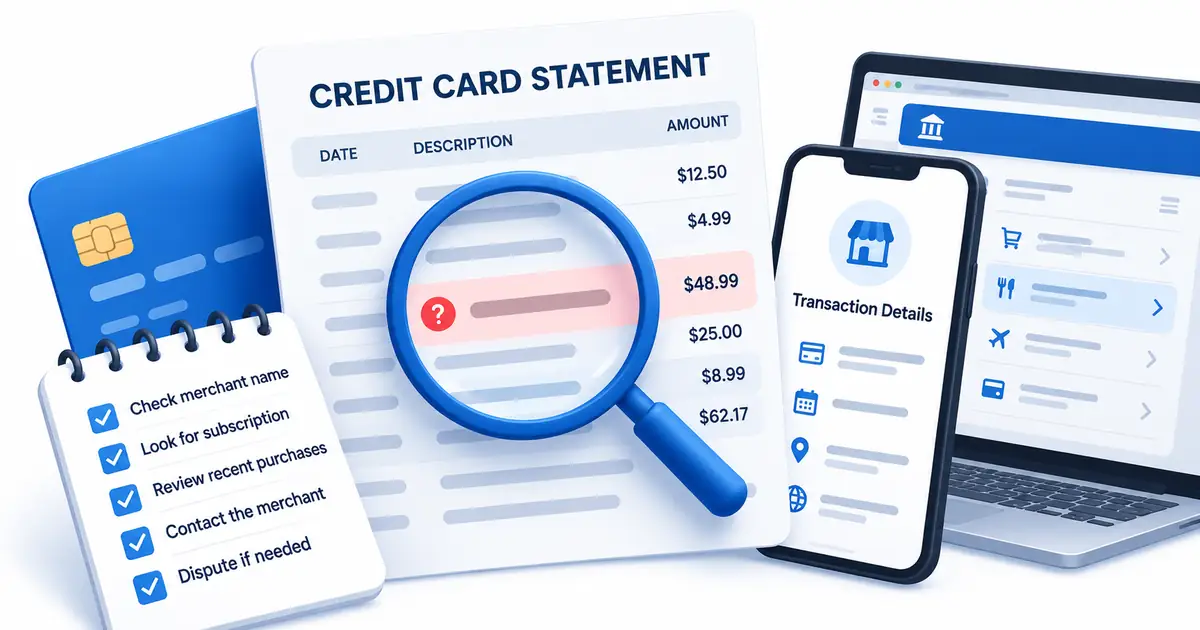
Record the full merchant descriptor and any city or website shown. Keep the relevant screenshot or account record for later reference.
Check your email receipts and purchase histories across accounts. Confirm the amount and account instead of searching for a broad merchant name alone.
Review card-linked mobile wallets and authorized users. Check whether the purchase or payment came from an older profile or different email address.
Ask the issuer to identify the registered merchant or dispute unauthorized use. Contact verified support if the records conflict or you cannot finish the check.
Important Payment Details to Confirm
A common short name may correspond to many different companies. Receipt amounts, dates, and merchant category are usually more useful than guessing an acronym from a web search.
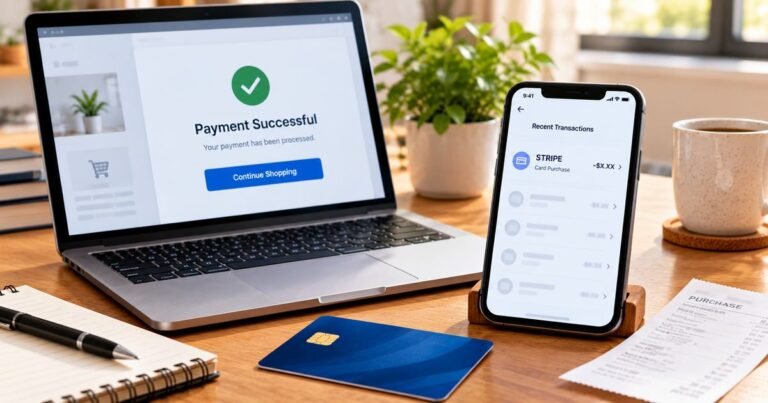
Before you submit or accept payment, verify the currency, amount, fees, and the person authorized to pay. A successful-looking checkout screen may not mean the payment has settled. Use the business dashboard or bank activity to confirm the final status.
Document the agreed service, invoice number, and refund terms before collecting money. Transparent checkout reduces confusion and provides a useful record if the customer later asks a question.
Pending Payments and Settlement
A pending authorization is a temporary request against available credit, not necessarily a completed sale. When settlement occurs, the merchant may post a final amount and the earlier hold may disappear. Review both entries before treating them as duplicate purchases.
Processing delays, exchange rates, taxes, or adjustments may cause a different posted date or final total. Do not assume a specific fee applies unless you find it in the agreement or receipt. Ask the bank to explain the final calculation if necessary.
If two completed charges remain and only one purchase or payment was authorized, keep screenshots and the receipt. Contact the merchant or processor using a verified support route. If that does not resolve the problem, ask the issuer about a billing-error dispute.
Security and Authorization Rules
Only accept a card payment when the customer knowingly approves the exact amount and service. Use a compliant payment page or provider-managed card-entry tool. Never ask customers to send complete card information through ordinary email or chat.
Do not give your full card number, password, or verification code to a charge-lookup website. Use the bank’s app and verified seller accounts.
Check who can access your business payment account and enable stronger login security. Confirm staff permissions and receipt delivery if more than one person processes transactions. Ask the processor for help before trying to override a declined payment.
Fees, Refunds, and Disputes
Fees depend on the chosen payment product, country, and transaction method. Review the provider’s current terms before quoting an amount to a customer. A refund may also have different fee treatment from the original sale.
A cancellation and a refund are different outcomes. The contract and applicable policies determine whether previous payments qualify for a credit. Keep supporting receipts and watch your card statement for the actual reversal.
If a customer contests a payment, respond through the processor’s dispute workflow with permitted evidence. Do not charge the card again to recover a disputed amount without clear authorization.
What to Do When Something Goes Wrong
If the transaction is unauthorized, stop attempting further payment and contact the appropriate payment provider or card issuer. For an unfamiliar charge on your personal card, use your bank’s official number. Ask whether your account needs security measures.
Watch for additional small charges and check your online account security. Save the time and date of your report, your bank’s instructions, and any supporting messages. Do not give a stranger one-time banking codes or passwords.
For many qualifying U.S. credit-card billing errors, a written notice may be required within 60 days after the bank sent the first statement showing the problem. A phone call alone may not protect every right. Pay undisputed balances while your issuer investigates.
Related COCC Guides and Official Help
For related details, see how to recognize a card transaction, how to contest an incorrect payment. Each link covers a different payment label or billing situation, so do not assume the same rules apply everywhere.
Check CFPB’s U.S. billing-error guidance for verified product-specific guidance. Support steps, prices, and eligibility may change. Use the correct account and country before relying on those instructions.
FAQs On How to Find Out What a Charge Is
Q: Can a customer pay without giving me a card number directly?
A: Usually yes, if you use a provider-hosted invoice or checkout that supports the available payment method. The customer should enter payment details on the official secure page.
Q: How do I know the payment is completed?
A: Review the provider’s dashboard and the payment status. A pending authorization or an email alone may not prove settlement.
Q: Can I charge a card again if the first payment fails?
A: Only with clear permission and after reviewing why the transaction failed. Do not retry blindly or store sensitive card details outside the payment provider.
Q: What if the payment was unauthorized?
A: Contact the provider or card issuer promptly, preserve transaction records, and follow the dispute process. Do not reveal a password or verification code.
Conclusion
To handle how to find out what a charge is safely, use a verified provider workflow and match the amount to a real invoice or transaction. Keep a record of consent, payment status, and any correction.
If the payment is uncertain or unauthorized, contact the payment provider or bank immediately. Follow the published rules for disputes and secure account access.
Disclaimer: This article provides general information, not financial or legal advice. Policies and rights vary by issuer and location. Verify account-specific details with the company or your bank.