What is Samsung Electronics Charge on Credit Card?

A Samsung Electronics charge on credit card statements may be connected to a device or service you purchased. If you did not recently buy a phone, television, appliance, or accessory, the entry deserves a closer look rather than an immediate guess.
A name on a statement is only the starting point. This guide explains the likely billing reason, how to check it, and what to do if the purchase is wrong.
What Is Samsung Electronics Charge on Credit Card?
Samsung Electronics is a global technology manufacturer that sells products and services through its stores and online channels. A transaction naming Samsung may relate to a direct order, but the statement descriptor alone does not establish what was bought or which account placed the order.
Samsung’s official US order-help material explains how to find invoices using My Orders and, in some cases, guest checkout order lookup. These records are the best starting point for matching the charge to a specific purchase.
What could a Samsung Electronics payment cover?
A Samsung-branded transaction could potentially relate to a smartphone, watch, television, appliance, computer display, accessory, or repair-related purchase. Whether Samsung itself bills the transaction depends on the checkout path and sales channel. A phone purchased from a wireless carrier may appear under the carrier rather than Samsung.
Do not assume the label confirms a specific product or a subscription. Compare the amount to your receipts and order details. Purchases through third-party retailers may also have different statement descriptions.
Find your Samsung order and invoice
Sign into the Samsung account used for the purchase and open My Orders. Samsung’s official help describes locating an invoice within order details. If an order is not visible, you may have used a different Samsung account or checked out as a guest.
For US purchases, Samsung’s instructions distinguish newer and older order-search pages by order date. Follow the current official order-help links rather than a third-party tracking site. The invoice amount, date, and order identifier should help identify the transaction.
Why an authorization may show before delivery
A card may display a temporary authorization when a seller validates a payment method. The authorization and final settled charge are not necessarily separate purchases. Check whether a line is pending, reversed, or posted before counting the total amount charged.
Order timing and card posting dates may differ. Shipping, taxes, or changes to an order can also affect the posted total in some transactions. Ask Samsung or the issuer to explain a discrepancy rather than making assumptions about Samsung’s exact authorization policy.
Could a family member have made a purchase?
Ask whether an authorized card user ordered a Samsung product, accessory, or repair. Look through the email accounts used for Samsung checkout and search for order confirmations. A gift purchase may not immediately sound familiar even when the amount is legitimate.
If a shared card was used, confirm the exact order without exposing account passwords or complete card details. Do not treat a household explanation as settled until the amount and date match. Keep receipts for your records.
What if the merchant name differs from the receipt?
A Samsung invoice may identify a specific seller or transaction channel while the issuer displays a shorter business name. Financial institutions can shorten or normalize statement descriptors. The order record matters more than minor differences in punctuation or corporate wording.
Ask the issuer whether the merchant category, transaction location, and full descriptor are available. If you purchased through a carrier or retailer, check that seller’s order history too. A mismatch can be routine or a reason to investigate, depending on the rest of the evidence.
What if you never ordered anything from Samsung?
First check alternate accounts, family orders, and pending authorizations. If there is no matching purchase, report the transaction through your card issuer’s official channels. Ask about replacing the payment credential if the issuer suspects misuse.
You can also contact Samsung through its official support pages, but do not delay a fraud report while waiting for an email reply. Save all communications and the exact statement entry. An ordinary brand name on a card does not guarantee the charge was authorized.
How to handle an incorrect or duplicate order amount
Compare the invoice, taxes, shipping costs, posted amount, and any refunds or credits. If you returned a product, check whether the return was accepted and whether the promised credit has appeared. A return confirmation is not the same as money arriving back on the card.
If the seller cannot correct an error, ask the issuer about a billing dispute using the true reason. Keep the order and return records. Follow the issuer’s written-dispute directions when relevant to preserve your protections.
Verify the exact transaction first
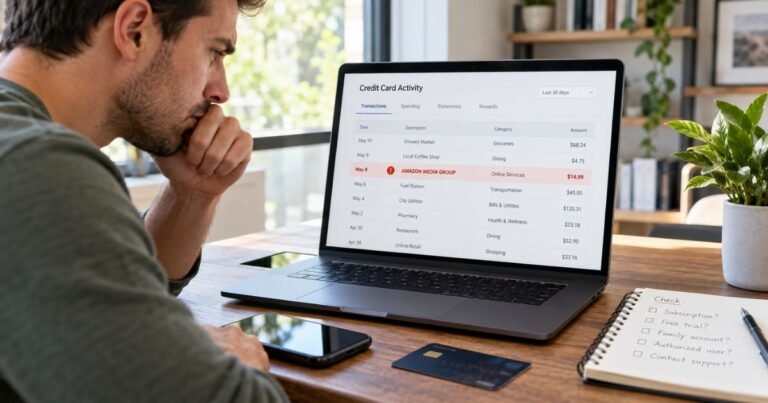
Open your credit card’s app and record the merchant descriptor exactly as shown. Include the amount, transaction date, current status, and any additional merchant details available when you tap the entry. A familiar company name is a useful clue, but it is not the final proof that a charge belongs to you.
Search your email accounts for receipts around that date and compare the tax-inclusive total, not merely the advertised price. Consider another authorized card user and shared devices where appropriate. If details conflict, ask the card issuer for the complete merchant information or reference number.
Understand the difference between pending and posted
A pending transaction may be an authorization hold rather than a settled purchase. A hold can be reversed, adjusted, or replaced by a final transaction. Look for an actual posted entry before concluding you were charged twice.
You should still alert your bank promptly if a pending item signals possible fraud. For ordinary billing questions, compare the final posting with the original receipt. If both an authorization and a separate completed payment remain on your account, the issuer can explain which amounts affect your available credit.
Read the descriptor carefully
Merchants may use legal names, location abbreviations, payment-processor prefixes, and invoice numbers on card statements. A different statement name does not automatically mean fraud. The same business can also display a different descriptor when billing through a marketplace or an app store.
Ask the provider for the formal billing name if an invoice does not match the statement. Avoid websites that claim to identify every five-letter or brand-looking charge with certainty. Your particular transaction requires a matching record.
Check account history before contacting support
Use the service’s official website or app, then review order history, plan billing, subscriptions, and receipts. Check any alternate email addresses or older accounts that you still use. If you manage a family account or team account, examine authorized purchases associated with those profiles.
An order confirmation containing the charged amount and date is much stronger evidence than a guess about the merchant. If no order matches, do not fabricate an explanation. Ask the provider to search its billing records using the minimal account details it needs.
Know what cancellation can and cannot do
Canceling an active subscription can generally stop future renewals once the cancellation is confirmed and takes effect. It does not necessarily reverse an already completed payment. A request for a refund is a separate issue, governed by the product terms, applicable law, and the circumstances of the transaction.
Keep the cancellation confirmation and review the next statement. Deleting an app or removing a saved card may leave the original agreement active. If you subscribed through an app store, you often need to cancel through that platform instead of the merchant’s website.
Official sources
Samsung US: Find an invoice; Samsung: Account and orders; FTC: Billing disputes. Consult official policies for changes and contact your issuer for account-specific facts.
FAQs On Samsung Electronics
Q: Is Samsung Electronics charge always a phone purchase?
A: No. It may relate to different Samsung products or services. Only matching order records can identify your payment.
Q: Can I find a Samsung invoice online?
A: Yes, Samsung’s US help describes My Orders and order lookup steps, including guest orders.
Q: Why is a Samsung payment still pending?
A: It may be a temporary authorization awaiting settlement, but your issuer can confirm its status.
Q: What if my Samsung charge is fraudulent?
A: Contact the credit card issuer immediately through its official app or the number on your card and follow security guidance.
Conclusion
A Samsung Electronics charge on credit card statements may come from an eligible Samsung order, but the description alone is not enough. Compare official invoices, confirm the final posted amount, and promptly report unexplained activity to your issuer.
Disclaimer: This article provides general information, not financial or legal advice. Policies vary by card issuer and merchant. Verify account-specific questions with the company or your bank.