What is Purchase Interest Charge on Chase Credit Card?

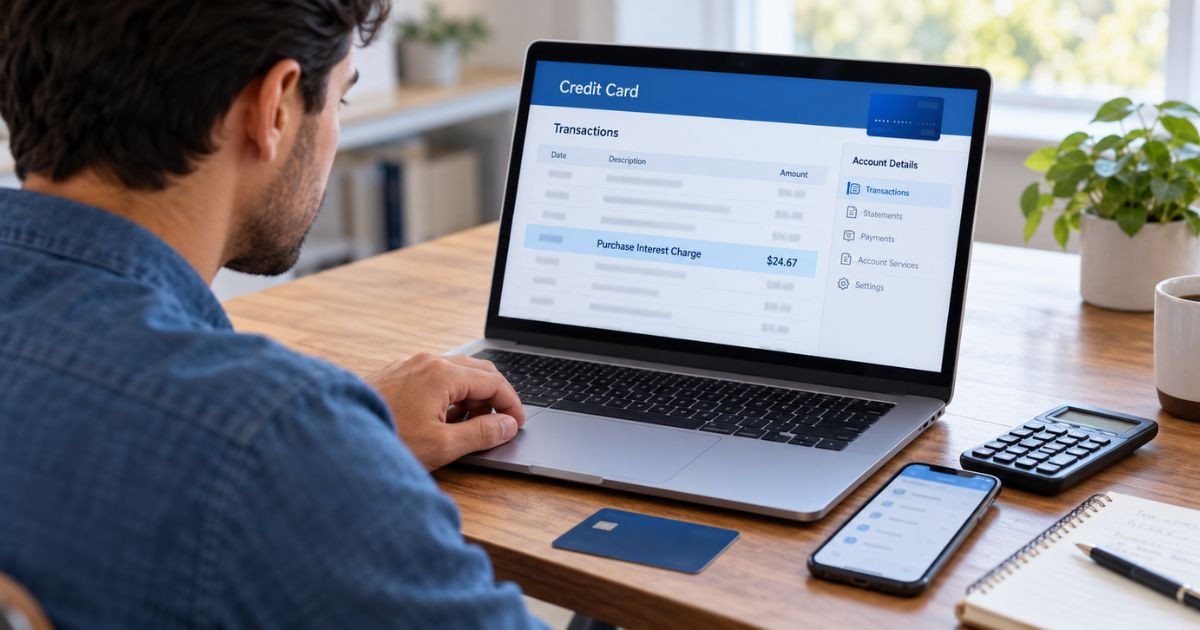
A Chase purchase interest charge on credit card statements can feel confusing, especially if you don’t remember making a new purchase. You may even notice this charge after paying your credit card bill.
The good news is that a purchase interest charge is generally a normal credit card financing cost, not an unfamiliar merchant transaction. This guide explains why Chase charges purchase interest, how it’s calculated, and what you can do to reduce or avoid it.
What Is a Purchase Interest Charge on a Chase Credit Card?
A purchase interest charge on a Chase credit card is the interest Chase charges when you carry an eligible purchase balance instead of paying it off in full.
When you use your credit card, you’re borrowing money from Chase. If you don’t pay the required statement balance by the due date, Chase may charge interest on your unpaid purchases.
This charge is based on your card’s purchase annual percentage rate (APR), which represents the yearly interest rate applied to purchases.
For example, if your statement shows a $25 purchase interest charge, that typically means Chase calculated $25 in interest on your purchase balance during the billing cycle.
It’s not a separate purchase from a store or an automatic subscription. It’s a financing charge from your credit card issuer.
Why Did Chase Charge Me Purchase Interest?
There are several common reasons why purchase interest may appear on your Chase credit card statement.
1. You didn’t pay your full statement balance
If you paid less than the required statement balance by the due date, Chase may charge interest on the remaining purchase balance.
2. You only made the minimum payment
Making your minimum payment generally helps you avoid late payment fees. However, it doesn’t prevent interest from accumulating on unpaid purchases.
3. Your introductory 0% APR ended
Some Chase cards offer a temporary promotional APR. When that promotional period expires, the regular purchase APR may apply to any remaining eligible balance.
4. You lost your grace period
A grace period allows you to avoid purchase interest when you meet your card’s payment requirements. If you carry a balance, you may lose this benefit until you meet the conditions to restore it.
5. You have residual interest
You may see interest after paying off your statement because interest continued accumulating before Chase received your payment.
How Does Chase Calculate Purchase Interest?
Chase generally calculates purchase interest using your APR and daily account balances.
Your annual percentage rate is converted into a daily interest rate. Chase then uses the applicable balance and billing cycle details to determine your interest charge.
Here’s a simplified example:
| Example detail | Amount |
|---|---|
| Purchase balance | $1,000 |
| Purchase APR | 24% |
| Daily interest rate | Approximately 0.0658% |
| Billing period | 30 days |
| Estimated interest | $19.73 |
This example assumes a constant $1,000 balance for 30 days, with no grace period. Actual Chase interest can differ because payments, purchases, billing dates, and daily balance calculations affect the amount.
You can find your purchase APR and interest calculation details in your Chase credit card statement or cardmember agreement.
When Does Chase Start Charging Interest on Purchases?
Chase generally provides a grace period for eligible credit card purchases.
The grace period is the time between your statement closing date and payment due date. It commonly lasts around 21 to 25 days, depending on your card terms.
If you pay the required statement balance in full by the due date, you can generally avoid purchase interest.
However, if you carry a balance and lose your grace period, new purchases may begin accumulating interest from their transaction dates.
Certain Chase financing plans may use an Interest Saving Balance, which allows you to avoid interest on new eligible purchases while maintaining qualifying installment plans. Check your statement for the payment amount that applies to your account.
Why Did Chase Charge Interest After I Paid Off My Card?
You may notice a purchase interest charge even after paying your credit card balance. This often happens because of residual interest, also called trailing interest.
Residual interest can accumulate between the day your statement closes and the day Chase receives your full payment.
For example, suppose you carry a balance that is already accumulating interest. Even if you pay the statement balance in full, additional interest may have accumulated before your payment posted.
That remaining interest may appear on your next statement.
If you’re unsure why it happened, contact Chase and ask for an explanation of the interest calculation. You may need to pay the remaining amount to fully clear your balance.
Is a Chase Purchase Interest Charge the Same as a Late Fee?
No. A purchase interest charge and a late payment fee are different charges.
| Charge type | What it means |
|---|---|
| Purchase interest charge | Interest on eligible purchase balances |
| Late payment fee | A possible penalty for missing your minimum payment deadline |
| Cash advance interest | Interest associated with borrowing cash against your credit line |
| Balance transfer interest | Interest on eligible transferred balances |
| Annual fee | A yearly account fee, if your card has one |
You can receive a purchase interest charge even when you pay your minimum payment on time.
You may also owe interest without receiving a late fee. Paying the minimum amount generally keeps your payment current but doesn’t eliminate finance charges.
How to Stop Purchase Interest Charges on Your Chase Credit Card
You can generally stop future purchase interest charges by paying your balance and maintaining your card’s interest-free grace period.
Follow these steps:
- Check your statement balance. Sign in to Chase and identify your current statement balance, purchase APR, and due date.
- Pay the required balance. Pay your full statement balance by the due date, or the Interest Saving Balance if your qualifying plan permits it.
- Review remaining interest. Check your next statement for residual interest or other unpaid charges.
- Set up automatic payments. Consider scheduling payments for the full statement balance rather than only the minimum.
- Avoid carrying new balances. Keeping eligible purchase balances paid in full generally helps maintain your grace period.
If you cannot pay everything immediately, paying more than the minimum can reduce future interest costs.
Can Chase Waive a Purchase Interest Charge?
Chase may review requests to waive or adjust an interest charge, but approval isn’t guaranteed.
If the charge resulted from a payment processing problem, billing mistake, or unusual situation, you can contact Chase customer service and ask for a review.
Explain what happened and provide relevant payment dates or confirmation numbers.
You can also request a courtesy adjustment if you have a strong payment history. However, Chase isn’t generally required to waive properly calculated interest.
If you believe Chase calculated the interest incorrectly, ask the bank to explain the applicable APR and daily balances.
How to Dispute an Incorrect Chase Purchase Interest Charge
If you believe your purchase interest was calculated incorrectly, review your credit card statement first.
Check the balance, payments, purchase APR, and any promotional terms that may apply.
Next, contact Chase using the number on the back of your card. Ask why the interest appeared and request a calculation review.
If the charge involves a qualifying billing error, you may have rights under the Fair Credit Billing Act. Written billing error notices generally must be sent within 60 days after Chase sent the first statement showing the disputed error.
Use the billing inquiries address listed on your statement rather than assuming the regular payment address is appropriate.
How to Avoid Chase Purchase Interest in the Future
The easiest way to avoid purchase interest is generally to pay the required statement balance in full and on time.
You can also enable payment reminders and transaction alerts in your Chase account. These tools may help you avoid missing payment deadlines.
If you use a 0% introductory APR offer, track its expiration date carefully. Any remaining eligible purchase balance may begin accumulating interest at the regular APR after the promotion ends.
Review your statement monthly, even when you haven’t made new purchases. Interest can continue accumulating on existing balances.
FAQs On Purchase Interest Charge on Chase Credit Card
Q: Why am I getting a purchase interest charge on my Chase credit card?
A: Chase generally charges purchase interest when you carry an unpaid purchase balance or lose your grace period. The amount depends on your applicable APR, daily balances, and payment history.
Q: How do I avoid paying purchase interest on my Chase card?
A: Pay your full statement balance by the payment due date to maintain your grace period. If your account has a qualifying Chase financing plan, your statement may show an Interest Saving Balance that you can pay instead.
Q: Why did Chase charge me interest when I paid the minimum payment?
A: Your minimum payment generally prevents your account from becoming past due, but it doesn’t eliminate interest. Chase may continue charging interest on the remaining eligible purchase balance.
Q: Will Chase remove a purchase interest charge if I ask?
A: Chase may consider a courtesy adjustment or correct an incorrectly calculated charge. However, legitimate interest charges aren’t automatically refundable, and approval depends on your account circumstances.
Conclusion
A Chase purchase interest charge on credit card statements generally means Chase charged interest on an unpaid purchase balance. It may appear when you carry a balance, pay only the minimum, lose your grace period, or have residual interest.
To avoid future charges, review your purchase APR and pay the required statement balance by the due date whenever possible. If the amount seems incorrect, contact Chase to request an explanation or billing review.
Disclaimer: This article is for informational purposes only and does not provide financial or legal advice. Interest rates, grace periods, promotional terms, and dispute procedures may vary by Chase credit card account. Verify account-specific questions directly with Chase or your credit card issuer.