What is Security National Insurance Charge on Credit Card?

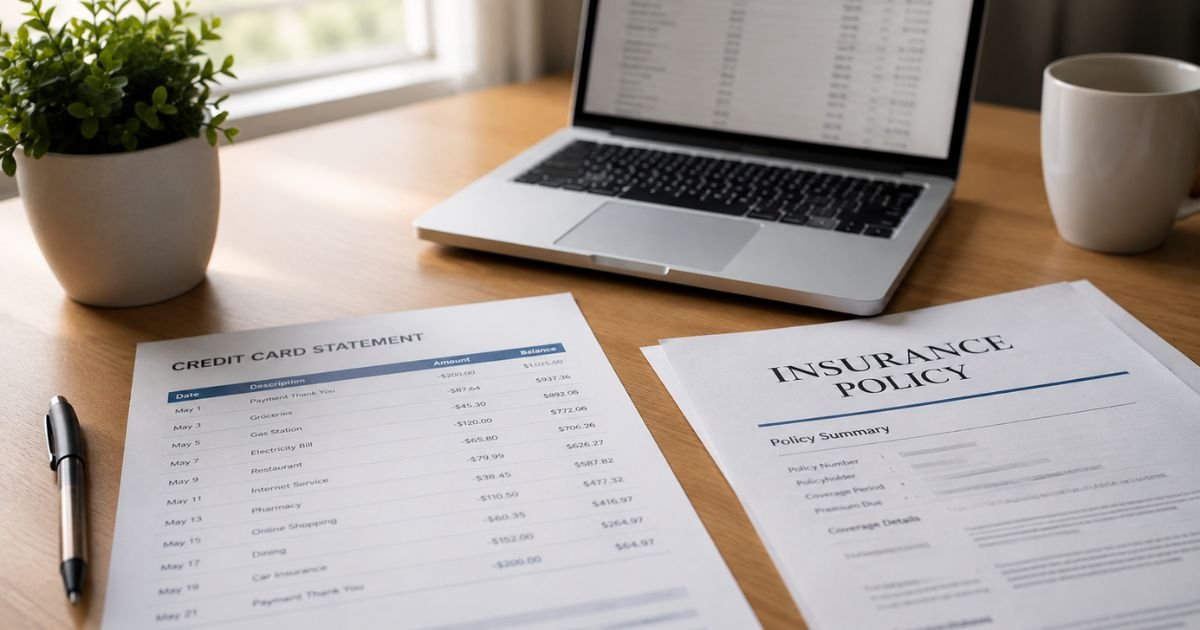
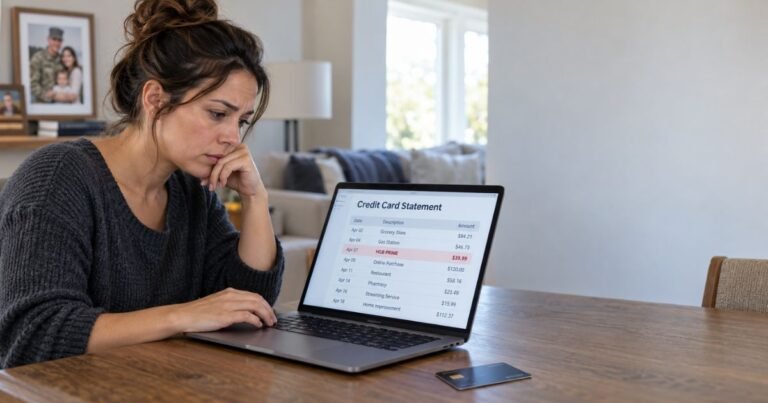
If a charge labeled “Security National Insurance,” “Security National Ins,” or a similar variation just appeared on your credit or debit card statement, you’re not the first person to search for answers. These charges usually relate to an insurance premium, but the exact company and policy type can vary.
This guide walks you through what the charge on credit card typically is, why it shows up, how to confirm which company and policy it belongs to, and the practical steps to manage, cancel, or dispute it if necessary.
What Is the Security National Insurance Charge?
The charge is almost always an insurance premium payment processed by one of the Security National companies.
Security National Life Insurance Company sells life insurance and final-expense (burial) policies. They accept credit and debit cards for premiums and have standard authorization forms that allow one-time or recurring charges. Their billing address is often listed with a Salt Lake City, Utah post office box.
Security National Insurance Company is a property-and-casualty insurer. In Florida and Texas it commonly underwrites auto policies sold through Bristol West (a Farmers Insurance Group company). On statements the descriptor may simply read “Security National” even though day-to-day servicing is handled by Bristol West.
Banks and card networks sometimes shorten the merchant name, so you might also see variations such as “SECURITY NATIONAL INS,” “SNL INS,” or “SECURITY NATL.”
Common Reasons the Charge Appears
Several everyday situations explain most of these charges:
- You or a family member purchased a life or final-expense policy and set up automatic credit-card payments.
- You bought auto insurance through an independent agent and the policy was underwritten by Security National (especially common in Florida or Texas).
- A free or promotional period ended and the full premium began billing.
- Your previous payment method failed and the company retried the card on file.
- A household member used a shared card to pay a premium without telling you.
- The policy renewed automatically and the renewal charge posted.
In rare cases the charge could be unauthorized. That is why verification is the first step.
How to Identify Exactly What the Charge Is For
- Look at the full descriptor on your statement, the exact amount, and the transaction date.
- Search your email (including spam and old folders) for “Security National,” “Security National Life,” “Bristol West,” or the approximate dollar amount. Policy confirmation emails, renewal notices, or payment receipts often contain the policy number.
- Check any paper policy documents or declaration pages you may have kept.
- Call the most likely customer-service number with the last four digits of the card and the charge amount ready.
Useful contact numbers:
- Security National Life Insurance Company: 800-574-7117 or 801-264-1060
- Bristol West (for Security National underwritten auto policies): 888-888-0080 (billing and customer service)
Have your policy number, the last four digits of the card, and the charge date available when you call.
What to Do If You Recognize the Charge
If the charge matches a policy you want to keep:
- Log into the company’s online portal (if available) or call customer service to confirm the next payment date and amount.
- Update the payment method if you prefer a different card or bank account.
- Ask whether a discount or different payment frequency is available.
If you no longer want the coverage:
- Request cancellation in writing or through the official customer-service channel.
- Ask for a confirmation number and the exact date coverage ends.
- Note that most insurance premiums are earned; you may still owe for the current period even after canceling.
What to Do If You Do Not Recognize the Charge
- Contact the insurance company first using the numbers above and ask them to identify the policyholder and policy number linked to the charge.
- If they confirm it belongs to you or a household member, decide whether to keep or cancel the policy.
- If the company cannot locate any matching policy, or if the details do not match anyone in your household, contact your bank or credit-card issuer immediately. Report the charge as unauthorized and request a dispute or chargeback.
- Follow up in writing and keep records of all conversations. Most major card issuers have zero-liability policies for unauthorized transactions when reported promptly.
How to Stop Future Charges
- Cancel the policy through the official customer-service channel and request written confirmation.
- Ask the company to remove the card from their payment system.
- Monitor the next one or two statements to confirm no further charges post.
- If the company continues to bill after cancellation, escalate with your card issuer and, if needed, file a complaint with your state insurance department.
Practical Tips to Avoid Surprise Insurance Charges
- Keep a simple list of every insurance policy you own, the company name, policy number, and payment method.
- Set calendar reminders a week before any free-trial or promotional period ends.
- Prefer electronic statements and payment confirmations so you have a searchable record.
- Review credit-card statements monthly rather than waiting for the full billing cycle.
- When shopping for insurance, ask the agent which company will actually underwrite and bill the policy.
FAQs On Security National Insurance Charge on Credit Card
Is a Security National Insurance charge a scam?
In the large majority of cases it is a legitimate premium payment. Scammers occasionally use similar-sounding names, so always verify directly with the company using published phone numbers rather than any number that appears only on the charge itself.
Can I get a refund for an unwanted Security National charge?
Refunds depend on the company’s cancellation policy and how much of the premium period has already been used. Contact the insurer first. If the charge is unauthorized, your card issuer handles the dispute under its zero-liability rules.
Why does the amount change from month to month?
Premiums can change because of rate adjustments, addition or removal of coverage, payment-frequency differences, or convenience fees some companies add when you pay by credit card.
What if the charge keeps appearing after I cancel?
Document the cancellation confirmation, then contact your card issuer to block future charges from that merchant and dispute any post-cancellation transactions. You can also file a complaint with your state department of insurance.
Conclusion
A Security National Insurance charge on credit card is typically a premium payment for a life, final-expense, or auto policy issued or underwritten by one of the Security National companies.
The fastest way to resolve confusion is to match the charge to a policy using your records or a quick call to the company’s customer service. Once you know which policy it belongs to, you can keep the coverage, change the payment method, or cancel it cleanly.
If the charge cannot be matched to any policy you or a household member authorized, report it to your bank right away.
Taking a few minutes to verify the charge now prevents repeated surprises and keeps your insurance billing under control.
Disclaimer: This article is for informational purposes only and does not constitute financial, legal, or insurance advice. Company policies, phone numbers, and procedures can change. Always verify current details directly with the insurer and your card issuer.