What is Social Online Payments Charge on Credit Card?

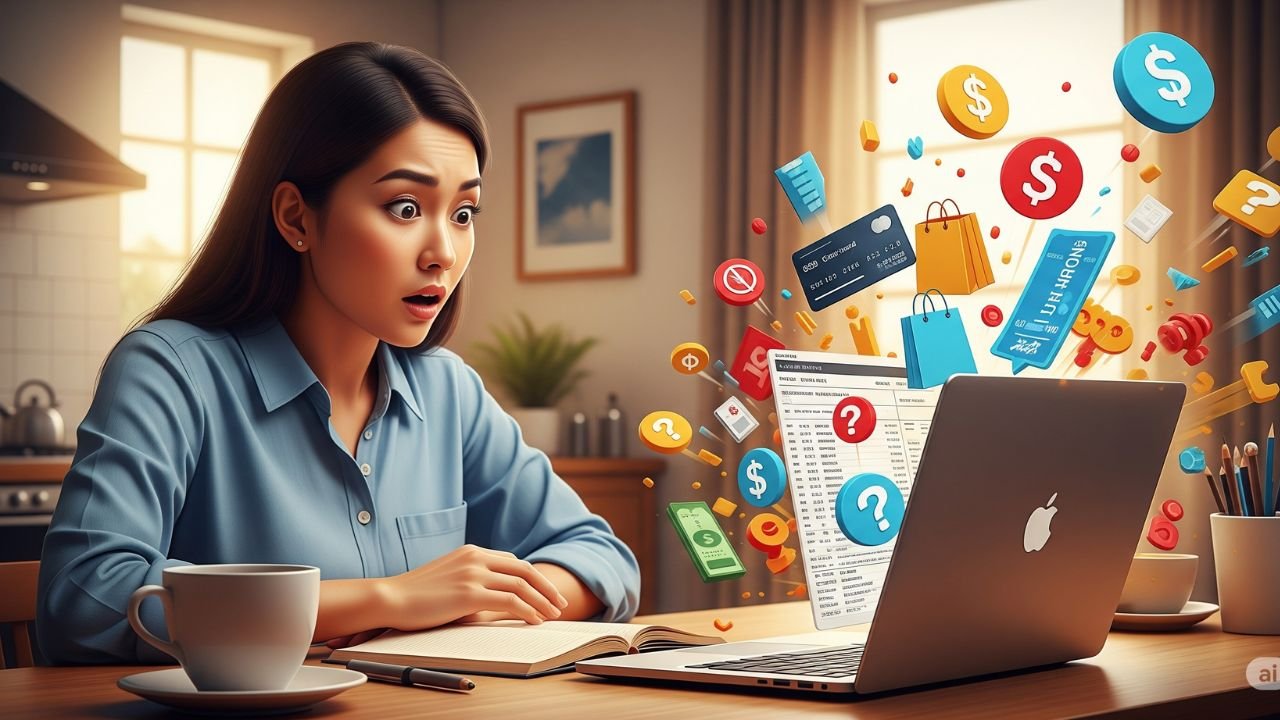
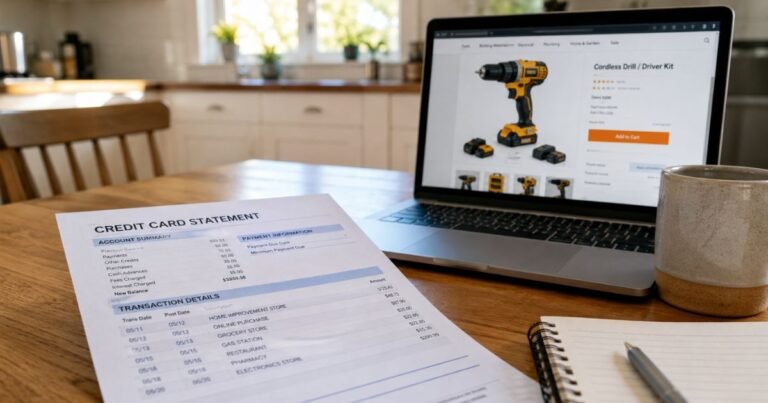
Have you opened your credit card statement and seen a social online payments charge on credit card that stopped you in your tracks? You are not alone. Plenty of people notice this exact line item and scratch their heads, wondering if it is a forgotten purchase or something sneaky.
Understanding the Social Online Payments Charge on Credit Card
Social Online Payments is the official billing name used by a real company tied to the Bumble Group. It handles payments for Bumble and Badoo, two popular dating apps. The charge appears when you buy premium features, boosts, or subscriptions through these apps.
You might see it listed as “Social Online Payments LLC” or even “Social Online Payments Dublin” because the processor sits in Ireland.
Amounts usually range from nine dollars and ninety-nine cents to around forty-nine dollars a month for ongoing plans. It does not say “Bumble” on your statement, which is why it feels so mysterious at first.
The company is legitimate and has been around for years. Bumble uses it for in-app purchases so the billing looks clean and secure. Still, many users forget about auto-renewals after a free trial or a quick boost purchase.
Possible Reasons You See a Social Online Payments Charge
Several everyday situations create this line on your bill. First, you probably signed up for Bumble Premium, Bumble Boost, or Badoo Premium. These unlock better matches, more visibility, or extra features. Many people start with a free trial and forget the card stays linked.
Second, it could be a one-time in-app buy like extra credits or a super swipe. The charge posts days later, so the date might not ring a bell right away.
Third, and this one needs attention, small test charges can signal fraud. Scammers sometimes use tiny amounts through generic processors to check stolen cards. If you have zero memory of the Bumble or Badoo apps, treat it seriously.
Location clues help too. Dublin often appears because of the Irish processor. When paired with no matching order history, it raises a flag.
Is the Social Online Payments Charge Legit or a Sign of Fraud?
Here is the honest truth: most of the time it is completely legit and tied to Bumble or Badoo.
If you ever swiped on the app or clicked a premium upgrade, this explains it perfectly. The descriptor hides the app name on purpose for privacy and security.
But when the amount feels off or you never downloaded the apps, it can point to unauthorized activity. Reddit users report seeing it alongside other odd charges, and forums flag it as a common mystery item. Credit cards protect you either way, so questioning it costs nothing.
The safe rule is simple. If the date and amount match something you did on the apps, relax. If nothing clicks, dispute it right away.
Quick Ways to Check Before You Panic
Do not hit the panic button yet. Run these easy checks first.
Grab your phone and search your email for “Bumble,” “Badoo,” “premium,” or the exact dollar amount. Confirmation emails often hide in promotions or spam folders.
Next, open the Bumble or Badoo app (or log in at bumble.com). Go to your profile, then settings, and look under payments or subscriptions. The history shows every charge clearly.
Check your phone’s app store purchase history too. Apple or Google sometimes handle the billing, but direct card payments route through Social Online Payments.
Call your credit card issuer using the number on the back. They can pull extra merchant details in seconds.
If nothing matches after these steps, move straight to dispute mode.
Step-by-Step Guide to Dispute a Social Online Payments Charge
Disputing an unwanted social online payments charge on credit card takes minutes and usually ends in your favor. Follow these numbered steps.
- Contact your card issuer right away through the app, chat, or phone. Say you did not authorize the charge and want to dispute it. They often freeze the card while they investigate.
- Share every detail: date, amount, and the full “Social Online Payments” description. Screenshot the statement for your records.
- Ask for a provisional credit. Most banks refund the money while they check, and you keep it unless proven otherwise.
- Set up transaction alerts now. Get texts or emails for every purchase so you catch issues instantly.
- If the bank needs more proof, forward any emails or app screenshots. Stay polite but firm.
- Follow up in seven to ten days. Federal rules push banks to resolve these quickly.
Most disputes succeed when you never used the apps. Your issuer then handles the rest.
Smart Tips to Avoid Future Unknown Charges
Prevention beats fixing problems later. Turn on alerts for every card you own. You will know the second anything posts.
Create virtual card numbers for app downloads and trials. Many banks let you make one-time cards that stop working after one use, perfect for dating apps.
Review statements every week instead of once a month. Spot small charges before they grow.
Cancel any old subscriptions inside the Bumble or Badoo app. Go to profile settings and turn off auto-renew before it hits again.
Use a free monitoring tool from your bank to flag weird activity early.
Comparison of Common Social Online Payments Scenarios
| Scenario | Typical Amount | Red Flags | Recommended Action |
|---|---|---|---|
| Legit Bumble or Badoo subscription | $9.99–$49.99 monthly | Matches app history or trial | Confirm in app and cancel if needed |
| Forgotten in-app boost | $5–$20 one-time | Date close to app use | Check purchase history and keep receipt |
| Fraud test charge | $0.50–$2.00 | Unknown, no app ever used | Dispute immediately and replace card |
This quick table helps you spot patterns at a glance. Use it next time you open your statement.
Extra Angles to Consider
Debit cards give you less protection than credit cards, so report issues within two days for the best results. If the charge hits checking, act quicker.
Some users see Social Online Payments alongside other mystery charges. That combo often means full card compromise. Replace everything and monitor closely.
If you travel or shop internationally, tell your bank first. Foreign processors sometimes use odd descriptors like this one.
Business owners rarely see it, but if you run ads on social platforms, double-check those accounts too.
FAQs On Social Online Payments Charge on Credit Card
Q: What Is Social Online Payments Exactly?
A: Social Online Payments Limited (in Ireland) and Social Online Payments LLC (in Delaware) are official subsidiaries of Bumble Inc. They process every credit card payment for Bumble and Badoo premium services. The setup keeps user data safe and billing clean. Deleting the app or your profile does not stop the charges. You must cancel the subscription properly.
Q: Is Every Social Online Payments Charge on Credit Card a Scam?
A: No, not at all. Real purchases for dating app features appear this way every day. The descriptor simply comes from their payment processor. But if you have no connection to the apps, treat it as suspicious and dispute fast. Acting quickly keeps your money safe.
Q: How Long Do I Have to Dispute the Charge?
A: You usually get sixty days from the statement date on credit cards. Report sooner for quicker results. Call your bank or use their app to start the process in minutes. For Bumble-related issues, reach out to their support at support.bumble.com for cancellation help too.
Conclusion
A social online payments charge on credit card can feel confusing at first. Now you know it usually ties straight to Bumble or Badoo premium features. It might be a forgotten subscription, an in-app buy or a warning sign of fraud.
Check your app history, contact your bank if needed and follow the simple steps above. Staying alert keeps your wallet and peace of mind safe.
Keep alerts on, use virtual cards for trials and never ignore what you do not recognize. A few quick checks today can save you real headaches tomorrow.
Disclaimer: This article shares general information based on public reports, company terms and common billing practices. It is not financial, legal or banking advice. Always contact your credit card issuer or a licensed professional for your specific situation. Dispute outcomes can vary.