What is Heally Inc Charge on Credit Card?

A Heally Inc charge on credit card statements may look unfamiliar even when you scheduled an online medical consultation. The name may be connected to Heally’s telehealth platform rather than the individual provider you remember.
Heally describes a pre-appointment card authorization that is different from a completed payment. This guide explains how to identify that entry, compare the booking with the bank record, and respond if nobody authorized the charge.
What Is a Heally Inc Charge on Credit Card?
Medical and wellness-related payment names can be hard to identify. Our PayHealth Inc guide shows why the billing company must be verified.
Heally is a telehealth platform used for online consultations with medical providers. A statement entry bearing Heally Inc may be linked to a booked service, but the exact consultation and charge must be verified with your records.
The official patient FAQ says an authorization hold may appear roughly 48 hours before the appointment. An authorization temporarily checks funds and is not necessarily the final charge for a completed visit.
Heally says the final charge occurs if and after a doctor approves the patient. Your own appointment record and issuer’s payment status determine whether a pending line became a posted transaction.
Prices can vary with the service chosen and the checkout terms. Do not assume a single standard appointment price or that every Heally-related payment is a subscription.
Why Heally Could Appear Before the Appointment
You may have booked a telehealth consultation through Heally. The card entry may use the platform’s legal billing name even if you recall only the service category or clinician shown during booking.
About two days before the planned visit, you might see a pending authorization. Heally describes this timing in its FAQ, but the exact hold-release process depends on your issuer.
A posted charge after provider approval is different from an authorization. Compare the bank’s posted date with the appointment status and any final receipt supplied by the platform.
If the appointment was canceled or the provider did not approve you, confirm what happened to the authorization. A pending hold may need time to clear before your available credit returns.
Another authorized card user may have paid for their own appointment. You can ask whether they approved a payment without requesting private clinical or medical details.
How to Match a Heally Charge to Your Booking
Open the Heally account associated with your appointment and find the confirmation email. Check the service description, scheduled date, amount disclosed at checkout, and payment method.
Search your inbox for Heally, telehealth, video consultation, booking receipt, and the exact payment amount. Compare the transaction date with the appointment date rather than expecting them to be identical.
Check whether your banking app shows pending, posted, or reversed. If it is pending, ask your issuer when it expects to release an authorization that did not settle.
If the payment is posted, request the final invoice and approval status from Heally through its verified customer-support channel. An itemized receipt can clarify what service was actually billed.
If you have no Heally account or appointment, do not sign up just to seek a cancellation. Ask your bank to identify the payment and explain the fraud-review process.
Can You Cancel or Obtain a Refund?
First determine whether you are dealing with an upcoming appointment, a completed service, or only a card authorization. Different situations may involve different terms.
If you wish to cancel a booking, review the policy displayed in your appointment confirmation and ask Heally to confirm the outcome in writing. Cancellation alone does not guarantee an immediate bank release.
If the posted amount does not match your accepted checkout total, ask for an invoice and a billing explanation. Keep the service and transaction records together.
Do not assume that every Heally charge represents a continuing membership. The company’s FAQ describes an appointment-based payment authorization, not a universal recurring subscription.
If the company cannot correct a billing error, contact the issuer about your rights. A charge you never approved should be reported as possible unauthorized use rather than treated as an ordinary refund request.
Insurance and Benefits Payment Questions
Heally’s published patient FAQ says the doctors do not accept standard insurance coverage for its consultations at the time described. It also says HSA or FSA payments can be accepted.
Payment through an HSA or FSA method does not automatically establish that an expense qualifies under your benefits or tax rules. Keep the receipt and check with your plan administrator.
If you expected your insurance company to cover a visit, ask whether reimbursement or documentation is available. Do not assume the telehealth provider will file a claim for you.
A posted charge on your standard credit card is different from a payment made through a benefits account. Review which account was charged before requesting a correction.
Your billing inquiry generally needs the appointment reference, amount, and charge status rather than your private medical history. Use a secure support channel.
How to Read the Charge in Your Bank Account
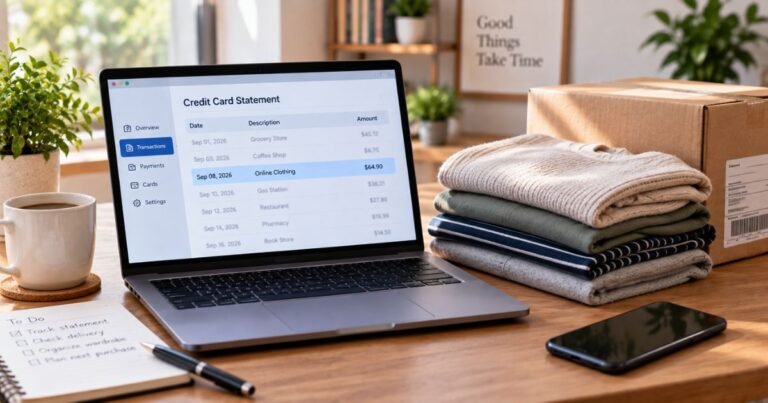
Open your issuer’s secure mobile app and tap the transaction for more details. Record the exact descriptor, date, total, and any merchant location. A shortened statement name cannot establish which product, appointment, or order created the amount.
Check whether the bank marks the transaction as pending or posted. An authorization may be temporary and may not become a final settled payment. One pending entry and a later posted charge do not always mean two purchases.
Compare your receipts, order histories, email confirmations, and approved card users. Your household may have used the card with permission even when you personally do not recognize the charge.
If two completed charges appear, compare the amounts and transaction references. They could reflect separate purchases or an actual billing error. Request an itemized explanation instead of immediately assuming fraud.
What to Do If the Payment Was Not Authorized
Call your issuer using the phone number printed on your credit card or the secure banking app. Ask the bank to identify the full merchant of record and explain why you believe the payment was not approved.
If you suspect fraud, ask whether you need to lock the card, replace it, or change account passwords. Do not give your entire card number or verification codes to a stranger claiming to remove an unfamiliar charge.
According to the CFPB, many credit card billing errors require written notice within 60 calendar days after the issuer sent the first statement with the error. Follow your issuer’s instructions and designated billing-error address.
Keep the statement, receipt searches, emails, and case number. Paying the undisputed portion of your balance may still be required. A dispute does not guarantee a credit or automatically cancel a legitimate ongoing agreement.
How to Prevent Future Unrecognized Payments
Enable transaction alerts if your card provider offers them. An immediate notification can help you connect the description with something you recently paid for.
Keep online receipts, booking confirmations, renewal reminders, and cancellation messages in a searchable folder. Record both the brand name and the legal name when the invoice shows them.
Check saved payment cards and renewals in accounts you control. If you need to stop a real subscription, use the verified billing system rather than assuming deleting an app or replacing a card cancels it.
Use only the official merchant support site or your bank’s secure channels when investigating. Avoid third-party charge lookup services that demand your full payment credentials.
Official Information and Limits
Heally’s FAQ specifically says an authorization can appear about 48 hours before an appointment, and that a final payment is charged if and after the doctor approves the patient. That policy explains a possible transaction but does not verify your individual appointment.
The relevant primary source is Heally’s patient FAQ. For credit card dispute procedures, see the CFPB’s billing-error explanation. Neither source can confirm the specific cardholder responsible for your transaction.
FAQs On Heally Inc
Q: Why does Heally Inc show a pending payment?
A: Heally says it may authorize the card about 48 hours before the appointment. The bank can confirm whether the amount is still pending.
Q: Will I be billed if a doctor does not approve me?
A: Heally’s published FAQ says a final charge is made if and after doctor approval. Ask the platform to verify your appointment status.
Q: Does Heally accept health insurance?
A: Its FAQ says doctors do not accept ordinary insurance at the time described. Check current options for your specific booking.
Q: What if I did not book through Heally?
A: Ask the issuer for merchant details and report any card transaction that you and other authorized users did not approve.
Conclusion
A Heally Inc charge on credit card statements should be matched with your own receipt and bank transaction status. Heally’s appointment authorization explains a common pending entry, while your booking and final invoice show what actually happened.
Check the service or merchant account you actually control, then ask your issuer for help if the payment remains unrecognized. Report any unauthorized use promptly.
Disclaimer: This article is for informational purposes only, not financial or legal advice. Company policies and card issuer procedures may vary, so verify account-specific questions with the company or your bank.