What Is Adobe Websales Charge on Credit Card?

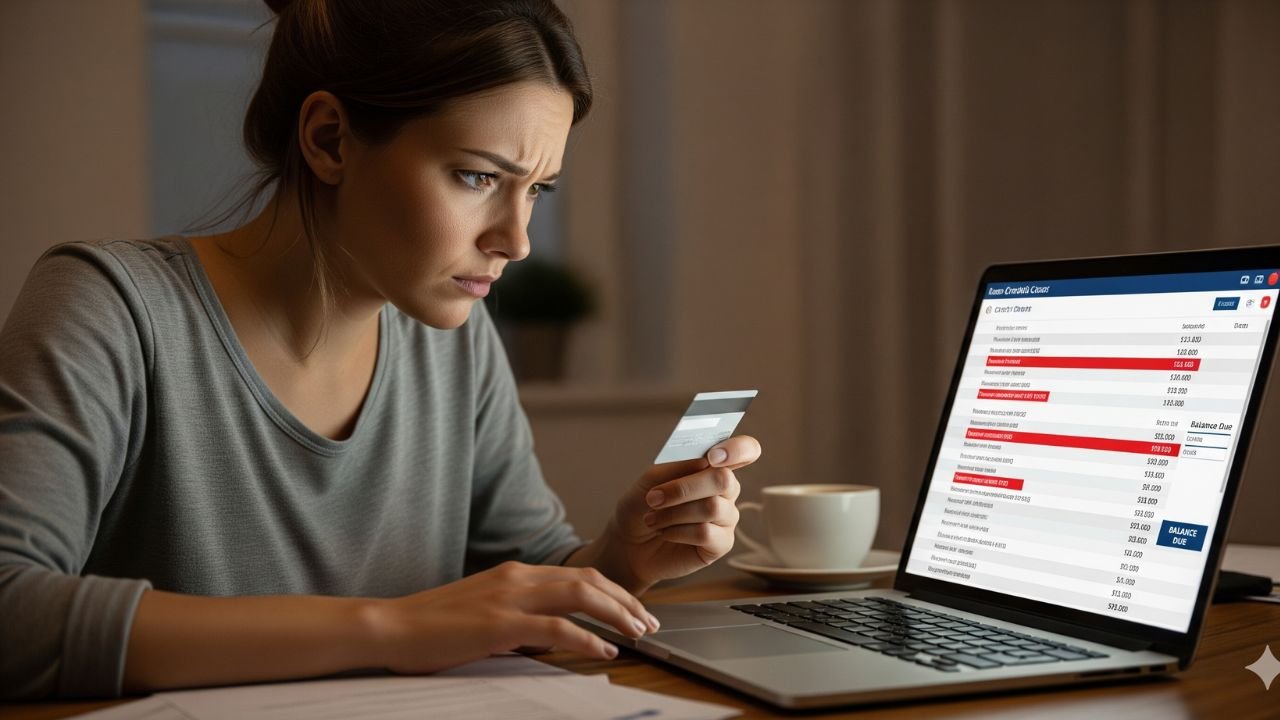
Have you ever checked your credit card statement and spotted Adobe Websales charge on credit card? It can be a bit alarming at first. You might think, “Did I buy something from Adobe? Or is this some kind of scam?”
Don’t worry, These charges are pretty common, and most of the time, they’re legit. We’ll dive into what Adobe Websales means, why it shows up on your bill, and what to do if it seems off.
What Exactly Is Adobe Websales?
Adobe Websales is basically how Adobe labels some of its online transactions on your credit card. Adobe is a big company known for software like Photoshop, Acrobat, and Creative Cloud.
When you buy or subscribe to their products through their website, the charge often appears as “Adobe Websales” followed by an address like 801 N. 34th St, Seattle, WA. That’s Adobe’s headquarters location.
Think of it as their billing name for web-based sales. It’s not a separate company or anything shady. It’s just Adobe’s way of processing payments for digital products.
If you’ve signed up for a trial, a monthly plan, or even a one-time purchase, this is how it might show up.
Why Does Adobe Websales Appear on My Credit Card Statement?
There are a few main reasons this charge might appear.
First, subscriptions are a big one. Adobe loves its subscription model. You sign up for something like Adobe Acrobat or the full Creative Cloud suite, and they bill you monthly or yearly.
Another reason could be a free trial that turned into a paid plan.
Adobe offers trials for many tools, but if you forget to cancel, it auto-charges your card. I’ve heard from friends who signed up for a quick PDF edit and ended up with ongoing fees.
Sometimes, it’s a one-off purchase, like buying stock images from Adobe Stock or fonts.
Or maybe someone else used your card for Adobe stuff, like a family member. Charges can range from small amounts like $20 to over $50, depending on the plan.
Common Reasons for Adobe Websales Charges
Let’s break down the most typical scenarios.
This can help you pinpoint what’s going on with your bill.
- Creative Cloud Subscriptions: This is Adobe’s all-in-one package for apps like Photoshop, Illustrator, and Premiere. Monthly plans start around $20 for single apps or $50 for the full suite.
- Adobe Acrobat Pro: If you’re dealing with PDFs a lot, this tool charges about $20-25 per month. It’s popular for professionals who need advanced editing.
- Adobe Stock: Buying images, videos, or templates? These can be one-time charges or subscriptions starting at $30 monthly for a set number of downloads.
- Free Trials Gone Paid: Many users forget about 7-day or 30-day trials. After the trial, it switches to paid without much fanfare.
- Add-ons or Upgrades: Things like extra storage for Lightroom or premium fonts can add small recurring fees.
If none of these ring a bell, it might be time to dig deeper.
How to Verify If the Charge Is Legitimate
Okay, so how do you check if this is really from Adobe? It’s easier than you think. Start by logging into your Adobe account. Go to adobe.com and sign in.
Under your account settings, look for the “Plans & Products” section. There, you’ll see all active subscriptions and recent purchases.
Adobe has a handy tool called the Charge Finder. You can find it on their help page. Just enter the charge amount, date, and last four digits of your card. It will match it to your account and show details.
Also, check your email inbox. Adobe sends receipts right after a charge. Search for emails from “adobe.com” or “no-reply@adobe.com.” If you find one matching the date and amount, it’s probably real.
If you’re still unsure, contact Adobe support. They have chat and phone options. Give them the transaction details, and they can confirm.
What to Do If You Suspect the Charge Is Fraudulent
Not every charge is innocent. If you don’t have an Adobe account or the amount doesn’t match anything you’ve done, it could be fraud.
First, call your credit card company right away. They can freeze the card and dispute the charge. Most banks have a 60-day window for disputes, so act fast.
Next, reach out to Adobe. Report the suspicious charge through their support. They might help trace it and secure any linked accounts.
Change your passwords too. If someone got your card info, they might try other places. Use strong, unique passwords and enable two-factor authentication on Adobe and your bank.
In rare cases, it could be a billing error from Adobe. They’ve had issues in the past, like the FTC case about hidden fees in subscriptions. If that’s the case, Adobe might refund you after review.
Tips for Managing Your Adobe Subscriptions
To avoid surprises, stay on top of your subscriptions.
Here’s how:
- Set Calendar Reminders: For trials, note the end date and cancel a day before.
- Review Statements Monthly: Make it a habit to scan your credit card bill for unfamiliar names.
- Use Adobe’s Account Dashboard: It shows all plans, billing dates, and payment methods.
- Consider Alternatives: If Adobe’s prices feel high, look at free tools like GIMP for photo editing or Canva for design.
Here’s a quick table to compare some popular Adobe plans:
| Plan Name | Monthly Cost | What You Get | Best For |
|---|---|---|---|
| Photoshop Single App | $20.99 | Photo editing tools | Photographers |
| Acrobat Pro | $22.99 | PDF creation and editing | Office workers |
| Creative Cloud All Apps | $52.99 | 20+ apps including video | Designers & creators |
| Adobe Stock (10 assets) | $29.99 | Images and videos | Content creators |
This can help you decide if a charge matches what you’re using.
FAQs On Adobe Websales Charge on Credit Card
Q: What does Adobe Websales mean on my bank statement?
A: It’s Adobe’s billing label for online purchases and subscriptions. It shows up for things like software plans or digital downloads.
Q: Why was I charged by Adobe when I didn’t buy anything?
A: It could be a forgotten subscription or trial. Check your Adobe account for active plans. If not, contact your bank to dispute it.
Q: How do I cancel an Adobe subscription to stop future charges?
A: Log into your Adobe account, go to Plans, select the one to cancel, and follow the prompts. Watch for any early termination fees on annual plans.
Q: Is there a way to get a refund for an Adobe Websales charge?
A: Yes, if it’s within their policy. Contact Adobe support with details. For fraud, your credit card issuer can help reverse it.
Conclusion
Seeing an Adobe Websales charge on credit card doesn’t have to stress you out. Most times, it’s just a reminder of a useful tool you’re using. By checking your account and staying organized, you can handle it easily. Remember, knowledge is power when it comes to your finances.
Disclaimer: This post is for informational purposes only and not financial or legal advice. Always consult your bank or a professional for personalized guidance.