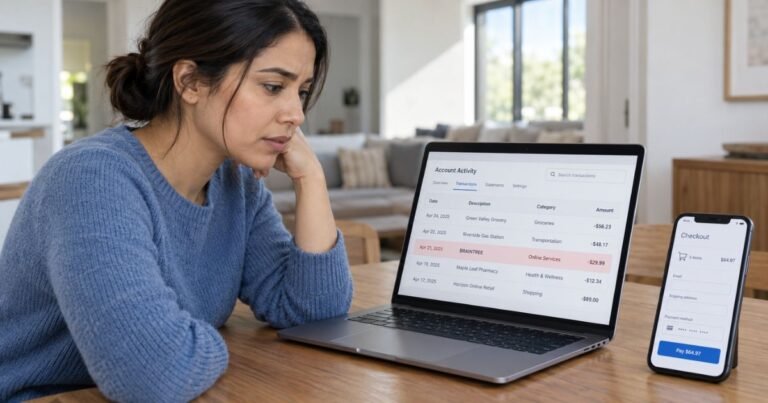
What is BC Z Processing Charge on Credit Card?

A BC Z Processing charge on a credit card cannot currently be tied to one reliably verified company from the descriptor alone. The wording might be an abbreviation of a merchant name or payment-processing business, but it does not establish what you purchased.
Do not assume a universal processing fee, cancellation phone number, or fraud scheme simply from the letters BC Z. The safest next step is to obtain the full merchant record from your card issuer and compare it with authorized purchases.
What Is BC Z Processing Charge on Credit Card?
BC Z Processing is an unclear merchant-style description. It may contain initials, an internal vendor label, or wording supplied by a business accepting card payments.
The term Processing does not prove that the charge is a separate bank fee or that one named payment processor is collecting money from every consumer.
Card networks can display the legal business name, a trade name, or an abbreviated processing descriptor. Banks may present different versions of the same payment line.
Because no reliable official merchant match is established for the complete BC Z Processing wording, do not claim it definitely represents a particular service, subscription, country, or industry.
What the BC Z Processing Description Actually Tells You
The short name signals only that a card transaction was submitted with similar merchant information. It does not reveal whether the sale was online, in person, or processed for another brand.
Letters such as BC and Z may look like a processor code, but their specific meaning is not established. Different businesses can use similar initials in their registered names.
A charge from a genuine payment-processing company could still be for an unauthorized purchase. Conversely, a strange name might describe a purchase you approved at a store using an unfamiliar legal entity.
An online directory may connect BC Z Processing with a particular payment business without showing any merchant statement examples or first-party disclosure. Treat such claims as unverified.
If your bank shows a location, merchant category, or a string after BC Z, preserve it. Those fields might help identify the seller even when the visible short name does not.
Find the Merchant Using Bank and Receipt Details
Check the credit card transaction’s extended view for a contact number, web domain, city, country, or merchant category. Capture the complete wording, not just the first few letters.
Ask your issuer whether the charge was a recurring card-on-file payment, an online checkout, a phone order, or an in-person purchase. The entry method can narrow the search.
Search email for the exact debit amount, date range, receipt, membership confirmation, and any large purchase settled around the same time. A matching order can display a completely different public brand.
If your card is shared with family or an authorized employee, ask whether they paid a bill, deposit, or online invoice during the relevant period. An authorized transaction should still have a receipt.
If the issuer supplies the legal merchant name, use independently verified company contact details. Avoid paying a merchant-finder service to discover information that your bank can investigate.
Is This a Bank Processing Fee or Subscription?
The word Processing is not enough to classify the charge as a credit-card bank fee. Issuer fees such as interest or a foreign transaction assessment are ordinarily described through the bank’s own account records.
A business may add a disclosed payment handling or convenience fee, but any fee should be supported by the original checkout terms and receipt.
Repeated payments may mean a subscription, installments, separate orders, or repeated unauthorized attempts. Compare each posted amount and ask whether recurring-payment indicators exist.
Do not try to cancel a guessed subscription at a company you found by matching only the initials BC Z. First obtain evidence that it actually collected the card payment.
If the issuer confirms it is a legitimate merchant fee, request the purchase agreement explaining the fee. If the issuer cannot identify any authorized purchase, ask about its fraud and dispute procedures.
How to Handle a Small, Duplicate, or Suspicious Debit
A small amount could be a routine low-value purchase, an authorization, or a potential card-testing attempt. The amount alone cannot prove which explanation applies.
Check for later transactions under related names. If several unknown attempts are present, tell the bank immediately so it can review card security as a pattern rather than one isolated entry.
Before reporting duplicate billing, verify both transactions posted. A pending hold near a completed charge may later expire and leave only one actual debit.
If a merchant agrees to correct an overcharge, obtain the case reference and monitor for a separate credit. Keep the original statement entry until the issue is closed.
If nobody approved the transaction, request issuer assistance promptly even when the debit is small. Do not wait for more money to be taken.
Check the Exact Statement Details
Open the entry in your credit card issuer’s authenticated app. Record the entire merchant description, original transaction date, posting date, amount, and any merchant city or website. A few additional characters can completely change which business is responsible.
Confirm whether the item is still pending or has posted. Temporary authorizations can be released or replaced by a different completed amount. Two entries on a screen do not always represent two settled charges.
Look for the amount in your receipts, online purchase histories, subscriptions, and payment-wallet accounts. Ask additional authorized cardholders whether they recognize the transaction, without entering somebody else’s private account.
If you cannot identify it, request expanded merchant-of-record details from the card issuer. A network merchant category and location may offer stronger evidence than an unaffiliated charge-lookup website.
Save the transaction screen, any matching order, and support communications. Those records can explain an unexpected debit and help your bank investigate a payment that nobody approved.
When to Contact the Merchant or Your Bank
If the real merchant is identified and a legitimate purchase has the wrong amount, request an invoice and a written billing review through its verified contact channel.
If nobody with authorization recognizes a posted transaction, report it promptly to the issuer through the number on the card or its secure application. Ask about locking the card, replacing credentials, and investigating unauthorized use.
The Consumer Financial Protection Bureau advises that many credit card billing errors require a written notice within 60 calendar days after the first statement containing the mistake was sent. Follow the issuer’s designated billing-error address and process.
A dispute initiates a bank investigation and is not a guaranteed refund. Keep any case number and follow the issuer’s guidance on paying undisputed balances during its review.
If you recognize the company but disagree with the fee or refund terms, state the actual billing problem accurately rather than claiming your card was stolen when it was not.
Recurring Debits, Refunds, and Account Protection
Several payments under one name may be separate orders, subscription renewals, pending holds, or an error. Match each posted amount with receipts and the original payment agreement.
Cancel a real subscription through the business or platform that actually holds the billing authorization. Uninstalling an app or replacing a payment card does not necessarily cancel a valid agreement.
A merchant refund generally creates a posted credit that may appear separately from the original payment. An authorization release might instead make a pending amount disappear.
Enable payment alerts and review your statements, including small entries. Save account and cancellation emails to make unfamiliar legal company names easier to connect with past purchases.
Never provide passwords, one-time bank codes, a full card number, or a CVV to an unrelated merchant-identifier page. Work only with verified merchant and issuer channels.
Verified Sources and Uncertainties
No dependable first-party source establishes one specific company, transaction type, fee, or subscription for the exact descriptor BC Z PROCESSING. The word Processing might suggest an intermediary or business name, but it does not identify a legal merchant. A bank’s complete merchant-of-record data is needed before claiming that a particular processor handled the charge.
Review the CFPB’s official credit-card billing-error guidance for relevant source documentation. Our guide to identifying unfamiliar charges and the CFPB’s billing-error instructions offer more detail on checking and disputing a posted transaction.
FAQs About BC Z Processing
Q: Who is BC Z Processing?
A: There is no reliably verified universal merchant identity for the exact description. Ask your card issuer for the full legal merchant details.
Q: Is BC Z Processing automatically a bank fee?
A: No. The word Processing does not establish that it is an issuer fee or a separate convenience charge.
Q: Does BC Z Processing mean a subscription?
A: Not necessarily. Check whether an authorized agreement or recurring-payment record actually exists.
Q: What should I do if no purchase matches?
A: Notify the issuing bank promptly about the posted debit and follow its fraud or billing-error process.
Conclusion
BC Z Processing charges should be checked against the complete issuer merchant data and a matching account or receipt. A precise merchant match is necessary before offering a specific cancellation or refund path.
If the payment remains unexplained and nobody authorized it, contact the card issuer promptly and keep the investigation records.
Disclaimer: This article provides general information, not legal or financial advice. Merchant names, charges, payment terms, and issuer procedures differ, so confirm your particular transaction with the actual provider and card issuer.