What is EZ-Pass Toll Charge on Credit Card?

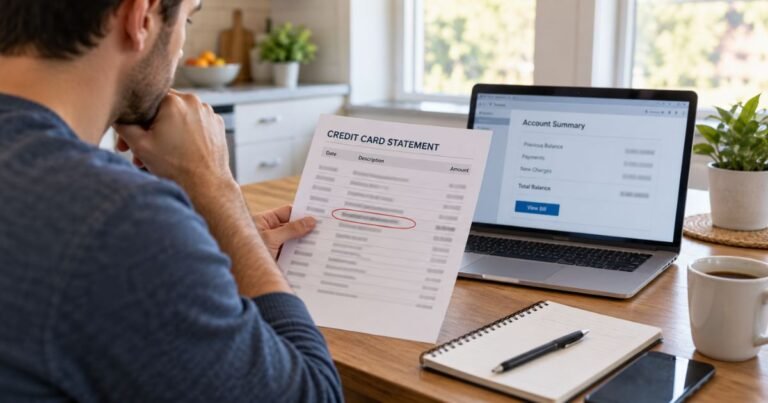
An EZ-Pass toll charge on credit card can feel confusing if you only drove one bridge. Banks often print E-ZPass, EZ PASS, or a state agency name. The amount is usually a lump sum, not a $6.50 plaza.
Unfamiliar toll charges are often a prepaid reload, not a new club fee. This guide shows you how the line typically appears, which agency owns the account, and how to stop auto-replenish if you no longer need it.
What an EZ-Pass Toll Charge on Credit Card Means
E-ZPass is a prepaid electronic toll network used across many U.S. states. You open an account with one agency, such as New York or New Jersey. The tag on your windshield then works on participating roads in other member states.
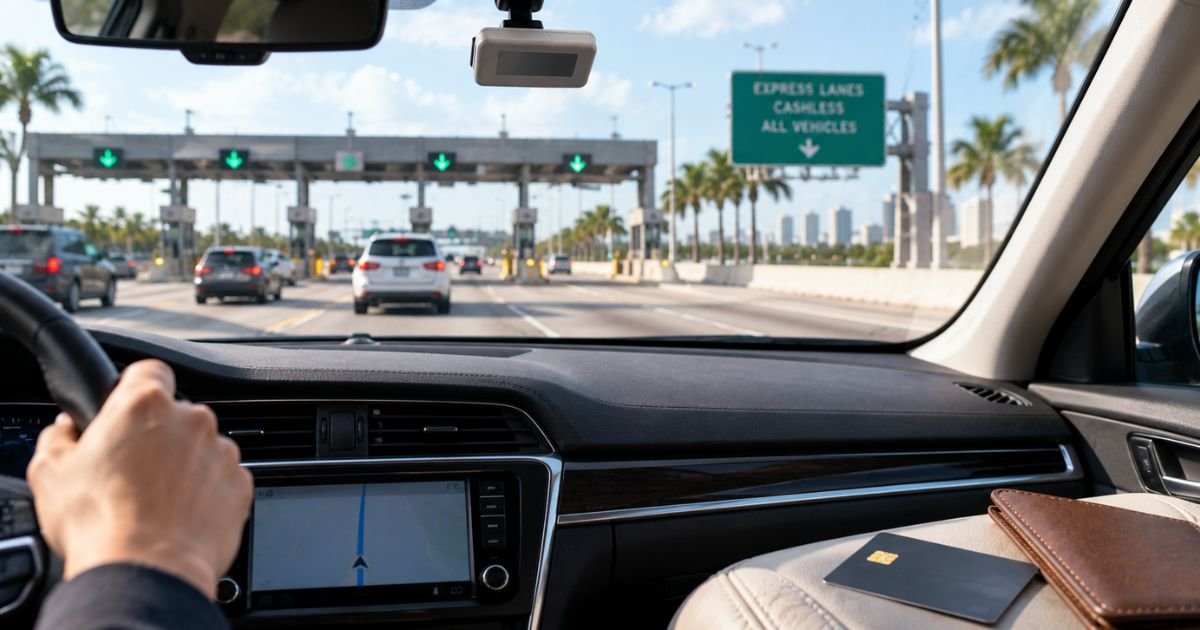
An EZ-Pass toll charge on credit card is usually not one gantry. Most agencies refill a prepaid balance when it hits a low point. That refill is what your bank posts. The trips themselves come out of the E-ZPass wallet later.
Agencies set their own trigger. New Jersey materials say a credit-card account often refills when the prepaid balance falls to about 25% of your replenishment amount.
Some states use a dollar floor such as $10 per tag. The reload size is often based on recent monthly driving and can go up or down after a review.
E-ZPass Plus is extra. It can pay parking at some airports and other Plus sites. Official New Jersey terms say Plus charges of $20 or more may bill the same replenish card directly, not only the prepaid pot.
Tolls by Mail or Pay by Plate is different. That is a camera bill to the registered owner when no working tag is read. Paying that mailed invoice can also hit a card, under a slightly different merchant name.
How the charge usually appears
Issuers print short names. You may see E-ZPASS, EZ PASS, EZPASS NY, NJ EZPASS, or another state brand. The first letters often match the agency that holds your account, not the state you drove through last weekend.
Round amounts such as $25, $35, or $50 usually mean a reload. Odd cents closer to a known bridge fare can mean a one-time Add Funds payment, a Plus parking charge, or an invoice.
PENDING or PRE-AUTH is a bank hold on the refill. It is not a second agency.
Rental-car toll programs often print the rental brand, PlatePass, e-Toll, or TollPass instead of E-ZPass. Those fees can post weeks after the trip.
Scam texts are common. The Port Authority of NY and NJ warns about fake “NY Toll Services” messages. Official New York pages tell you to use e-zpassny.com, tollsbymailny.com, or the TollsNY app. Do not tap a text link.
Why the amount can look larger than one toll
Auto-replenish funds a month of driving, not one plaza. Heavy commuters see larger reloads after the agency reviews usage.
New York business terms describe an analysis about 35 days after first tag use and about every 90 days after that, with a prepaid amount meant to cover about a month or a stated minimum.
More than one refill can hit in the same statement period if you drive a lot. Official New York terms say that can happen.
Every car and tag on the account spends the same pot. A spouse’s trip still triggers your card when the balance drops.
A rental plate left on the account, or a tag left in a returned car, can keep spending. Register rental dates if your agency allows it, and take your tag with you.
Parking through E-ZPass Plus can post as its own card charge when the fee is high enough. Delaware Plus help says parking under $20 typically comes from the prepaid balance, while $20 or more may bill the replenish card.
Match the charge to the right agency
Your account lives with the agency that issued the tag, even if you drove in another state. Check the welcome email, the sticker on the tag, or the first digits of the tag ID. Port Authority pages publish a tag-ID chart so you can match those digits to NY, NJ, or another center.
Log in on that agency’s site, not a look-alike. New York customers use e-zpassny.com. New Jersey customers use ezpassnj.com. Maryland customers use DriveEzMD. Other states have their own portals.
Open billing or activity. Match the reload date to the bank line. Then read individual tolls by tag, time, and plaza.
Search email for “E-ZPass,” “Tolls by Mail,” and the rental company. Ask anyone who shares the car or the card.
Keep screenshots of the statement and the agency activity page.
| If your account is | Official starting point | Published phone |
|---|---|---|
| New York E-ZPass or NY Tolls by Mail | e-zpassny.com | 1-800-333-8655 |
| New Jersey E-ZPass | ezpassnj.com | 1-888-288-6865 |
| Another state | The site on your tag packet | The number on that site |
Hours vary. New York lists Monday through Friday, 7 a.m. to 7 p.m., and Saturday morning hours on its contact page.
Stop auto-replenish or fix a wrong charge
Log in to the issuing agency. Turn off automatic replenishment if you want the card to stop. Then add funds by hand, or close the account if you no longer use the tag. Follow that agency’s tag-return rules so you do not keep getting fees.
Update plates when you sell a car. Add rental plates only for the rental dates.
To question a toll, use the agency’s account inquiry or dispute path. New Jersey terms say fee disputes must go to its customer service center within 120 days of the transaction. Other states set their own windows.
If customer service does not fix a New York-area crossing, agencies offer a Toll Payer Advocate after you try the main center first. Port Authority, MTA Bridges and Tunnels, and the Thruway each have that extra office for qualifying issues.
Rental-car admin fees belong with the rental brand, not E-ZPass, unless you registered the plate and the tag paid the discounted rate.
What to do if you do not recognize it
Stay calm and work in order. Identify the issuing agency, then match reloads and trips.
If the trips are real, decide whether to keep auto-replenish or switch to manual funding. If a time or plate is wrong, file the agency dispute with those details.
If you never opened E-ZPass and no invoice matches, treat the line as possible fraud or a look-alike site. Use only the official agency URL. Then call your card issuer. For a posted charge you did not authorize, you can typically file a dispute. Deadlines vary by issuer.
Watch the next statement after you change billing. A turned-off reload should stop once the current trigger is off.
FAQs On EZ-Pass Toll Charge on Credit Card
Q: Why is an EZ-Pass toll charge on credit card $35 when each plaza was a few dollars?
A: The card usually pays an auto-replenish deposit, not one gantry. Agencies refill the prepaid account when the balance hits a low point. The reload is often based on recent monthly driving and can change after a review.
Q: Is E-ZPass a monthly subscription?
A: No. Official program pages describe a prepaid toll wallet. There is no separate club fee in the usual personal account. The card is charged when that wallet needs more money, or when you pay a mailed video-toll invoice.
Q: What if I rented a car and still see E-ZPass or e-Toll on my card?
A: Rental companies often bill tolls plus a daily admin fee weeks later, under their own name. If you used your personal tag, add the rental plate for those dates and remove the tag when you return the car. Ask the rental brand about its own fees.
Q: How do I dispute an EZ-Pass charge I think is wrong?
A: Log in to the agency that issued your tag and compare activity to the bank date. Use that site’s inquiry or dispute form, or call the number on that site. New York customers can use 1-800-333-8655. Then talk to your card issuer only if the charge is unauthorized or still unresolved.
Conclusion
An EZ-Pass toll charge on credit card is typically an auto-replenish refill, a manual top-up, E-ZPass Plus parking, or a video-toll invoice paid by card. Match the issuing agency’s activity page before you assume fraud.
Turn off auto-replenish if you are done with the tag, update old plates, and dispute wrong trips with that agency first. If nothing matches, use the official phone line on that agency’s site, then your card issuer.
Disclaimer: This article is for general information only. It is not financial, legal, or tax advice. E-ZPass rules, replenishment amounts, and statement names vary by issuing agency and card issuer and can change. Confirm account-specific questions with your E-ZPass agency or your bank before you cancel or dispute a charge.