What is Librotech Charge on Credit Card?

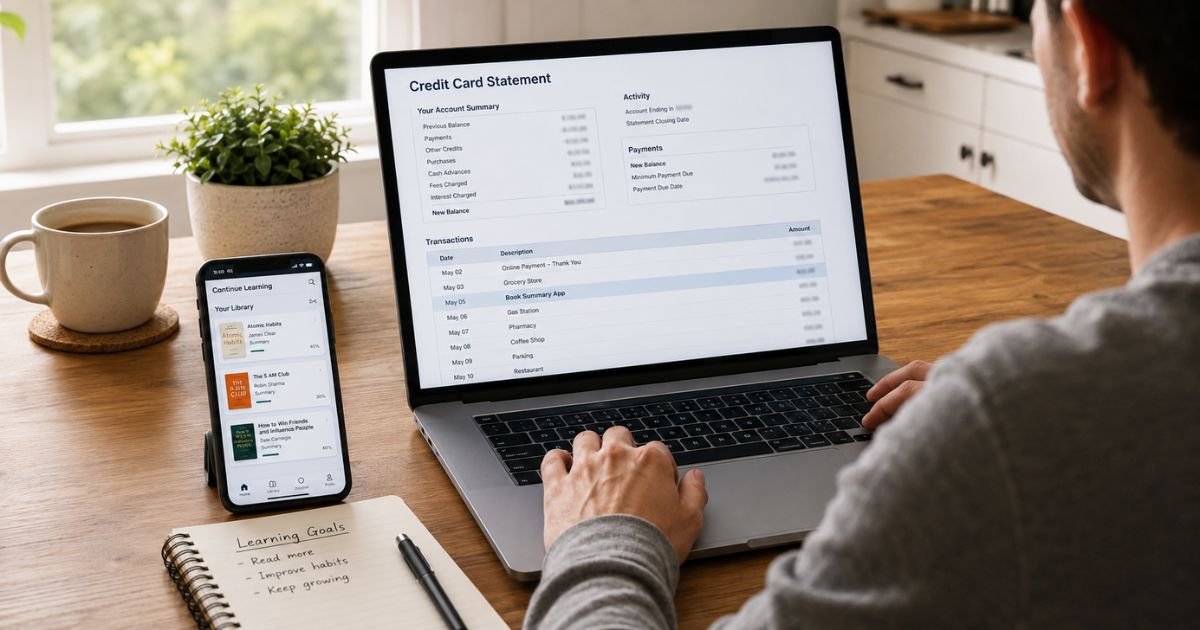
A Librotech charge on credit card can feel confusing if you do not recall signing up for anything under that name. Unfamiliar billing names are often legitimate.
Many companies use a legal or payment-processor name that does not match the app you opened. This guide explains what the charge typically is, how to confirm it, and what to do next.
What a Librotech Charge on Credit Card Usually Means
A Librotech charge on credit card generally points to a digital learning subscription, most often tied to the Headway book-summary app. Headway turns nonfiction books into short text and audio summaries.
Some privacy and company materials list LibroTech, Inc., a Wyoming-registered company, in connection with Headway products.
The name on your statement may not say “Headway.” Payment processors and merchant descriptors can use a company or billing name instead.
Official Headway help pages say website and app charges often show as Headway, but the exact line on a card statement can still vary by processor or store.
Other businesses use similar names, including industrial equipment firms and consulting shops. Those are much less common on a typical U.S. consumer card.
Still, you should match the charge to your own emails and subscriptions before you assume anything.
How to verify the charge
Start with your own records. Open the email address you use for app stores and online accounts. Search for “Headway,” “Librotech,” “LibroTech,” “makeheadway,” or “get-headway.” Check spam and promotions too.
Then check the stores. On iPhone, go to Settings, tap your name, then Subscriptions. On Android, open Google Play, tap your profile, then Payments & subscriptions. Look for Headway or a related Headway Inc. product.
If you bought on the website, sign in at the Headway account page and open billing. Headway support says website invoices live in the Billing tab after you log in with the email used at purchase.
Match the date and amount to a trial that ended or a plan that renewed. If nothing lines up, treat the charge as unrecognized and follow the steps later in this article.
Why this charge shows up
Most people see this after a free trial. You tap to try summaries for a few days. The trial can convert to a paid plan if you do not cancel in time. The next bill then lands under a name you do not recognize.
Subscriptions generally renew on their original start date unless you cancel first. Headway says a cancellation very close to renewal may still allow one last charge. That charge is typically the final one if cancellation went through.
You may also have more than one plan. A main subscription plus an add-on can create two separate bills. Family members sometimes use a shared card for an app download you forgot.
Deleting the app does not stop billing. The store or website account still holds the subscription. That is a common reason people think a charge is a mistake when it is actually a renewal.
How to cancel if you no longer want it
Cancel in the same place you subscribed.
If you subscribed in the iOS app, open Settings, tap your name, tap Subscriptions, select Headway, and cancel.
If you subscribed in Google Play, open the Play Store, tap your profile, go to Payments & subscriptions, open Subscriptions, select Headway, and cancel.
If you subscribed on the website, log into your Headway account and turn off auto-renew there. Headway’s FAQ points website users to the account page to stop automatic renewal.
Save a screenshot or confirmation email. You generally keep access until the current paid period ends. Future charges should stop after that period if cancellation completed.
For questions about a specific bill, Headway lists support at support@get-headway.com. Use the email tied to the account. Do not send full card numbers in email.
What to do if you do not recognize the charge
Stay calm and gather proof first. Note the date, amount, and exact merchant text. Look at two or three months of statements for a pattern.
Contact Headway support if the amount and timing look like a book-summary plan. Ask which email and product the charge belongs to. Website buyers can also review invoices in the Billing tab.
If you get no useful answer, or the charge is clearly unauthorized, call the number on the back of your card. Ask the issuer for the full merchant details on file.
You can generally dispute a billing error. Federal credit card rules typically give you a window of 60 days from the statement that first showed the charge. Policies vary by issuer.
A bank block can stop future charges. It does not always cancel the underlying subscription contract. Cancel with the merchant or store first when you can.
Watch the next statement. If another Librotech charge on credit card posts after you canceled, send your confirmation to the issuer and ask them to review it.
Common mix-ups to avoid
Do not confuse this Headway with the U.S. mental health platform that uses the same everyday name. They are separate companies. The book-summary app is the one consumer charge sites usually connect to Librotech billing.
Do not assume every similarly spelled merchant is the same firm. Liberotech-style names appear on unrelated European retail sites. A Russian company named Librotech sells monitoring equipment. Those are different businesses.
Do not rely on a guessed phone number from a third-party “cancel for you” site. Use the official app store tools, the Headway account page, or the published support email.
How to reduce surprise renewals next time
Turn on transaction alerts in your card app. A small notice on the day of the charge is easier than a surprise at statement time.
Use a virtual card number for trials when your issuer offers one. You can shut that number off after the trial.
Review subscriptions every few months. Apple and Google both keep a list in account settings. Website plans live in the product account, not only in the phone app.
Read the renewal date before you start a trial. Set a calendar reminder a day or two before it ends.
FAQs On Librotech Charge on Credit Card
Q: What is a Librotech charge on my credit card?
A: It is typically a merchant descriptor for a digital subscription, most often a Headway book-summary plan billed through a related company name such as LibroTech, Inc. Confirm it against your email receipts and app-store subscriptions. The exact wording can vary by payment processor.
Q: Is the Librotech charge fraudulent?
A: Not necessarily. Many people forget a trial or an auto-renewing plan. If you never signed up, did not authorize the card, or already canceled, treat it as unrecognized and contact Headway support or your card issuer. Do not ignore a charge you cannot match.
Q: How do I cancel so the charges stop?
A: Cancel through Apple or Google if you subscribed in an app. Cancel in your Headway website account if you subscribed on the site. Deleting the app is not enough. Keep the confirmation and watch one more billing cycle.
Q: Can I get a refund?
A: It depends on how you paid and the company’s terms. App Store and Google Play refunds generally go through Apple or Google. Website refunds are handled by Headway support and are not guaranteed. Your card issuer may review a dispute if the charge was unauthorized or continued after a valid cancel. Results vary.
Conclusion
A Librotech charge on credit card is usually a forgotten or renamed subscription, not an automatic scam. Check your Headway or store account first. Cancel in the same place you signed up.
If the charge still does not match anything you authorized, use your card issuer’s dispute process and keep written records.
You can sort this out with a short review of email, subscriptions, and one support message. Then decide whether you want the summaries or you want the billing to stop.
Disclaimer: This article is for general information only. It is not financial, legal, or tax advice. Merchant names, refund rules, and dispute timelines vary by company and card issuer. Verify the charge on your own statement and confirm account-specific questions with Headway or your bank.