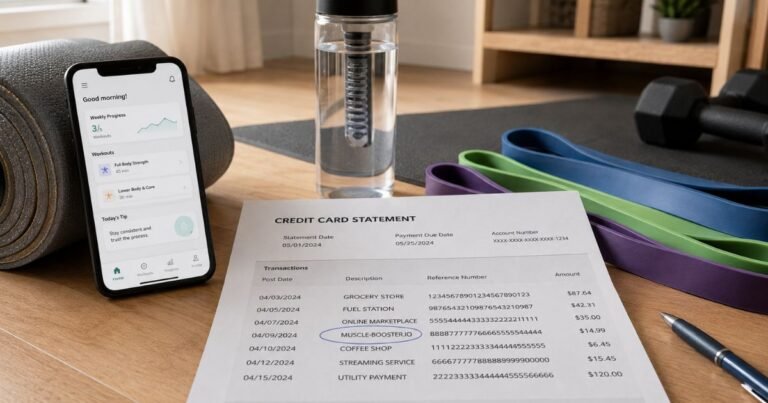
Tiny Technologies Charge on Credit Card [How to Handle It]


Ever opened your credit card app and spotted a Tiny Technologies charge on credit card that you don’t remember making? Your stomach drops for a second. I know the feeling.
If you’re googling tiny technologies credit card charge right now, you’re in good company. These entries pop up more often than you’d think because the company uses a short merchant name on statements.
We’ll walk through exactly what the charge means, why it shows up, and the simple steps to cancel or dispute it.
Why a Tiny Technologies Credit Card Charge Shows Up on Your Statement
The tiny technologies credit card charge comes from Tiny Technologies Inc., the folks behind TinyMCE. That’s a popular rich text editor used by developers and businesses to add formatting, images, and easy editing to websites without writing code.
Think of it like the behind-the-scenes tool that powers comment boxes, blog editors, and content management systems on thousands of sites.
Charges appear simply as Tiny Technologies, Tiny Cloud, or Tiny Cloud Services because payment processors keep descriptors short. Sometimes it includes a reference to their Palo Alto, California headquarters.
The amount usually matches one of their subscription tiers or an overage fee. It’s not a scam in most cases. The company is real, with a solid reputation among web pros. But if you never visited tiny.cloud or started a project with their tool, it could be unauthorized use.
Many people run into this after a free trial. You test the editor for a work project or personal site, forget to cancel, and boom, the card gets hit on day 15. Or a team member adds it without looping you in. Either way, understanding the service helps you decide your next move.
What Exactly Is TinyMCE and Why Do People Pay for It?
TinyMCE stands for Tiny Moxie Editor, and it’s been around for years as one of the most trusted WYSIWYG tools out there. Free versions exist for basic use, but paid cloud plans unlock pro features like AI writing help, media optimization, PDF exports, and heavy usage without slowing down.
Businesses love it because it saves developers tons of time. Instead of building custom editors from scratch, they plug in TinyMCE and get beautiful, mobile-friendly editing right away.
The platform runs on cloud services, so your card gets charged for hosting, support, and extra loads when traffic spikes. It’s straightforward billing, but the name “Tiny Technologies” doesn’t scream “website editor” at first glance, which is why folks search for explanations.
Breaking Down Tiny Technologies Pricing and Billing
Tiny Technologies keeps things clear with usage-based plans. You get a 14-day free trial of everything, then it auto-charges unless you cancel. Here’s a simple breakdown of what you might see on your statement:
| Plan | Monthly Price | Monthly Editor Loads | Overage Cost | Best For |
|---|---|---|---|---|
| Essential | $79 | 5,000 | $40 per 1,000 extra | Small sites, basic needs |
| Professional | $145 | 20,000 | $40 per 1,000 extra | Growing teams, more features |
| Enterprise | Custom | Custom | Custom | Large companies, custom setup |
Add-ons like TinyMCE AI or PDF export tack on extra monthly fees starting around $29 to $133, plus per-use charges if you go over. Annual billing saves money if you commit long-term. Overages hit at the end of each cycle, so a busy month could bump your bill without warning.
The good news? No sneaky auto-renewals beyond the trial if you stay on top of it. But always check your inbox for “Tiny Cloud” confirmation emails right after signup.
Is the Tiny Technologies Charge Legitimate or Something to Worry About?
In the vast majority of cases, yes, it’s completely legitimate. Tiny Technologies follows standard practices with email receipts, a customer portal for tracking usage, and clear terms. Independent reviews and developer forums back them up as a trusted name.
That said, any unknown charge deserves a quick check. It could stem from:
- A forgotten trial you started months ago.
- Someone sharing your card for a work test.
- In rare cases, card details used without permission after a data breach elsewhere.
If the amount lines up with their plans ($79, $145, or multiples of $40 for overages) and you see related emails, it’s probably yours. No emails and no memory of it? Treat it like potential fraud and act fast.
Step-by-Step: How to Cancel or Dispute a Tiny Technologies Charge
Don’t stress. You can handle this in minutes. Follow these easy steps:
- Search your emails. Look for anything from support@tiny.cloud or mentioning TinyMCE. Confirmation messages often include your account details.
- Log into the customer portal. Head to tiny.cloud, sign in (or reset your password if needed), and go to the billing section. Cancel the subscription there before the next renewal.
- Contact their support. Email support@tiny.cloud with your transaction date and amount. They’re usually quick to help and may offer a refund for recent charges.
- Dispute with your bank if it’s unauthorized. Call the number on your card right away. Provide the exact charge details. Most banks reverse it within a week or two and issue a new card if needed.
- Monitor and prevent future issues. Set up text alerts for any charge over $1. Consider using virtual cards for online trials so you can shut them off instantly.
Pro Tips to Avoid Mystery Charges Like This in the Future
Staying ahead of billing surprises is easier than you think. First, never save your card details on trial sites unless you plan to keep the service. Second, review your statements every week instead of once a month. It takes two minutes and catches everything early.
Third, use separate cards for business versus personal purchases. That way, a team experiment doesn’t hit your grocery budget. And always read the fine print on those 14-day trials. They love to auto-bill, but a quick cancel in the portal stops it cold.
For official consumer protection tips on handling unknown charges, check out the Consumer Financial Protection Bureau at consumerfinance.gov. Their guides are free and super helpful.
Common Reasons This Charge Catches People Off Guard
Sometimes it’s a developer on your team who tested the tool and forgot to mention it. Other times, it’s an old project you abandoned but the account stayed active. A few folks report seeing it after clicking an ad for website builders. The key is that Tiny Technologies doesn’t hide the billing. They send emails and show everything in your portal. The short name on statements is just how the system works.
If you’re a web builder or run an online business, you might actually want to keep the service. It pays for itself in time saved. But if not, canceling takes seconds.
FAQs On Tiny Technologies Charge on Credit Card
Q: What does the Tiny Technologies charge look like exactly on my statement?
A: It usually shows up as Tiny Technologies, Tiny Cloud, or Tiny Cloud Services, often with a Palo Alto location note. The amount matches their plans like $79 or $145, or overage fees of $40 multiples. Always match the date to any recent website work or trials.
Q: How do I cancel a Tiny Technologies subscription and stop future charges?
A: Log into your account at tiny.cloud, head to the billing area, and cancel before the renewal date. Or email support@tiny.cloud with your details for help. Do this promptly to avoid the next cycle, as subscriptions auto-renew after the 14-day trial.
Q: Is the Tiny Technologies credit card charge a scam or legitimate service?
A: It’s a legitimate charge from a real company that makes the TinyMCE editor used by millions. Most cases tie back to an active subscription or trial. If you never signed up, dispute it with your bank immediately and contact their support to investigate.
Conclusion
Seeing a tiny technologies credit card charge doesn’t have to leave you guessing. Now you know it’s tied to a solid tool that helps websites run smoother, and you have clear steps to cancel or fight it if needed. Whether you keep the service for your next project or get your money back, acting fast keeps your finances stress-free.
Next time something unfamiliar hits your statement, remember this guide. A quick email or portal login can save you hassle and maybe even spark a useful new tool for your work.
Disclaimer: This information is for educational purposes only and based on publicly available details about Tiny Technologies Inc. and their TinyMCE services. Always contact your bank or the company directly for personalized advice on charges or disputes. Billing policies can change, and individual situations may vary. Consult a financial advisor if needed.