What is Yu Jie Xian Jin Xin Jia Po Charge on Credit Card?

A Yu Jie Xian Jin Xin Jia Po charge on credit card statements is difficult to recognize because it looks like a romanized foreign phrase. An unfamiliar label can be legitimate, but it does not prove a particular loan or cash withdrawal.
SAP Concur uses the exact words in expense-report documentation. This guide explains what that actually establishes and how to find the real merchant before taking action.
What Is a Yu Jie Xian Jin Xin Jia Po Charge on Credit Card?
Yu Jie Xian Jin Xin Jia Po appears as an example of a vendor name in SAP Concur’s credit card expense-processing materials. It is not an officially identified consumer-facing merchant in that article.
Some online posts interpret parts of the phrase as Chinese Pinyin relating to cash or Singapore. That translation is not enough to establish whether an actual card transaction was a cash advance, ATM withdrawal, digital wallet payment, or merchant purchase.
International card statements sometimes display transliterated words, shortened labels, or processor-created transaction descriptions. You should check the payment network record and original receipt before assigning a meaning.
Do not accept an unverified claim that a particular Chinese lending company or Singapore payment provider caused your charge. No authoritative merchant-to-descriptor confirmation was found for this exact wording.
Why This Vendor Name Appears in Expense Software
SAP Concur’s support article discusses how administrators can create an audit rule that flags selected vendor names on employee expense reports. It lists Yu Jie Xian Jin Xin Jia Po alongside other names users may want to review.
That context matters because a vendor name in an expense platform can originate in imported card data. It may be displayed exactly as the issuer or processor supplied it, rather than translated into a familiar brand.
An audit rule is a control for reviewing expense submissions. It does not certify that every transaction using the named vendor label represents cash or another special type of payment.
If your employer’s expense system contains the line, compare it with the underlying card statement and original transaction reference. The person filing an expense report may have additional travel or purchase context.
Do not claim the entry was automatically fraudulent because a company wants to flag it. Auditing an unfamiliar vendor is a way to request documentation, not a final judgment about authorization.
How to Check an International Transaction
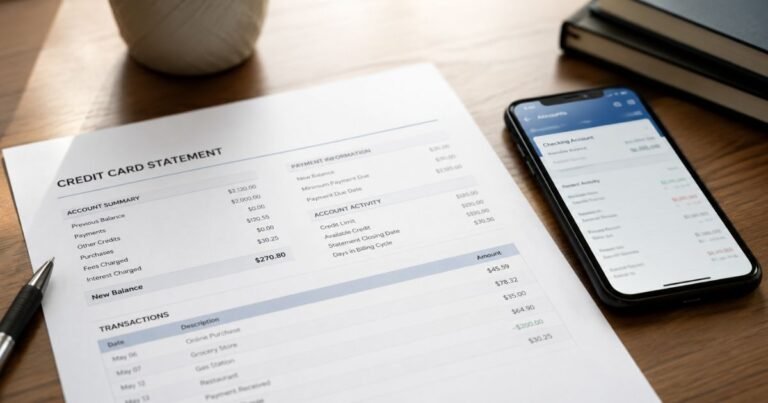
Open your issuer’s complete transaction details. Look for a country code, local currency, converted US-dollar amount, and any additional merchant wording or category.
If you recently traveled outside the United States, review receipts for hotels, transport, shopping, or payment apps around the statement date. The posted date can differ from the local purchase date.
Your card statement may show a foreign transaction fee separately. That fee comes from the issuer’s agreement and does not, by itself, explain the identity of the underlying merchant.
If the entry appears in an employer expense report, ask the finance team whether the original transaction included more details before Concur abbreviated the name.
Request the legal merchant name and transaction method from the card issuer. Its back-office data can be more useful than a guessed Pinyin translation found on a blog.
Is This a Cash Advance, ATM Withdrawal, or Wallet Payment?
You cannot identify an ATM withdrawal merely from the words Yu Jie Xian Jin Xin Jia Po. An actual cash advance should be described in your card’s transaction classification and may have different fees and interest rules.
If your card issuer classifies the entry as a cash advance, request the amount, location, network, and applicable fee details. Compare them with your own cash withdrawal history.
If a mobile payment wallet was involved, inspect only the wallet account you own. Match the funding card, transaction reference, merchant name, and local currency.
A small foreign amount might be an online purchase or temporary authorization. Do not assume it is a verification charge or card test until the issuer provides the transaction status.
If no authorized user traveled, withdrew cash, or used an overseas service, contact the bank promptly. An international descriptor with no matching activity warrants an investigation.
What to Ask the Bank or Expense Administrator
Ask for the merchant of record behind the exact descriptor. If possible, request a full legal name, merchant category, transaction country, and the payment acceptance channel.
If the charge is in Concur, check whether the expense was already matched with a receipt or assigned to a company traveler. A duplicate import should not be confused with two posted card payments.
If your bank confirms an overseas merchant, use only verified contact information. International support pages that demand your complete card number may be unrelated to the transaction.
Ask whether the charge posted or remains pending. Some international authorizations can change when the merchant settles a payment in a different currency.
Keep written notes of the bank’s explanation. They can support an internal expense correction or a formal credit card dispute if the merchant remains unidentified.
How to Verify the Statement Entry
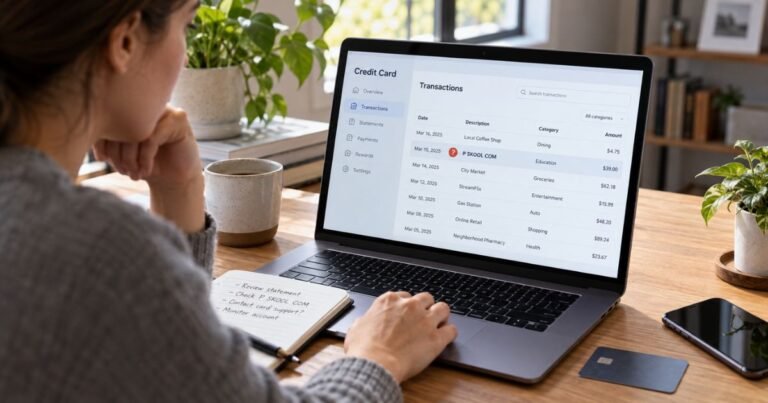
First open the transaction in the secure app provided by your credit card issuer. Copy the exact description, amount, date, and merchant location. Even one extra character can distinguish a merchant from an unrelated company.
Check whether the entry is pending or posted. Pending authorizations can change or disappear during settlement. Our guide to pending credit card charges explains why the final amount may differ. A temporary hold and its final payment may briefly appear together, so confirm whether both amounts actually posted.
Search your email, order history, and downloaded receipts for the exact payment amount. Also check whether a family member or other authorized user recognizes the purchase. A legitimate payment can use a legal business name you never saw at checkout.
Ask the issuer for expanded merchant details if your own records do not help. These may include the legal seller, country, transaction method, and merchant category. The bank may have more information than the shortened name displayed on your statement.
If you see a refund or duplicate-looking charge, compare every posting date and status. A refund normally appears as a separate credit. Two fully posted debits should be matched to two actual receipts or reviewed as a possible billing error.
What to Do If the Payment Was Unauthorized
If nobody approved the transaction, contact the issuer through the number printed on your card or its authenticated app. Report possible unauthorized use promptly. Do not use a phone number from an unsolicited billing text.
Ask whether a card lock, replacement card, or account password change is needed. The bank can guide those steps based on its fraud review. Replacing a card does not always cancel a separate legitimate agreement with a merchant.
The Consumer Financial Protection Bureau explains that many credit card billing errors require a written notice within 60 calendar days after the first statement showing the error was sent. Use the designated billing-error address and keep a copy of the notice.
A disputed transaction is investigated rather than automatically refunded. Preserve receipts, cancellation messages, card alerts, and the issuer’s case number. You may still need to pay the undisputed portion of your account while the investigation continues.
Do not email your entire card number, CVV, or one-time banking password to a stranger who claims to identify a charge. Verified payment support can generally work with limited transaction information.
Make Future Card Charges Easier to Recognize
Enable transaction notifications if your issuer supports them. An alert received near checkout can help you connect a later statement description to the actual purchase.
Save digital invoices by merchant and date. Keep the account email, any subscription renewal notice, and the payment confirmation together. Those records can be useful months after the original order.
If you find a legitimate recurring agreement that you no longer want, cancel using the merchant’s verified process. Deleting an app or replacing a card does not necessarily terminate the agreement. Save the written cancellation confirmation.
Review your statement each month even when autopay is active. A small unexpected transaction deserves the same careful identity check as a large one, although a small amount alone does not prove card testing or fraud.
Official Sources and Identification Limits
SAP Concur’s official support knowledge base uses this exact phrase as an example of a vendor name that an expense manager may want to flag in reports. That proves the text occurs in imported expense data, not that it identifies any specific lender, cash advance service, or Singapore merchant.
You can check SAP Concur’s vendor-name audit-rule example for the documented details discussed above. The CFPB’s official billing-error guide explains how to challenge errors on your card statement.
FAQs On Yu Jie Xian Jin Xin Jia Po
Q: Is Yu Jie Xian Jin Xin Jia Po an identified cash-advance company?
A: No confirmed public source identifies that exact label as one specific cash-advance company. Request the underlying merchant information from the issuer.
Q: Why does the phrase appear in SAP Concur?
A: SAP lists it as a vendor-name example in documentation for expense-report audit rules, not as an authenticated payment-merchant listing.
Q: Does Xin Jia Po prove the purchase was in Singapore?
A: The phrase may suggest a Chinese-language reference to Singapore, but only the issuer’s country and merchant records can confirm the transaction.
Q: What should I do if I never traveled abroad?
A: Check all authorized card users and report the unrecognized payment to your issuing bank promptly.
Conclusion
A Yu Jie Xian Jin Xin Jia Po charge on credit card statements needs to be matched to your own payment records. The SAP reference supports careful investigation, not a confident identification of a company, cash advance, or country.
Identify the merchant before requesting a cancellation or refund. If you cannot recognize the payment, ask your credit card issuer to investigate and preserve all supporting records.
Disclaimer: This article is informational only and is not financial or legal advice. Company policies and credit card issuer procedures may vary, so verify your account-specific questions with the business or your bank.