What is Ecom Str Padc Charge on Credit Card?


Have you ever checked your bank statement and spotted a ecom str padc charge on credit card that left you scratching your head? You’re not alone. These mysterious entries can pop up out of nowhere, causing a bit of worry.
Understanding Credit Card Charges
Credit card statements can feel like a puzzle sometimes. They list all your purchases, but the names aren’t always straightforward.
Companies use billing descriptors, which are short codes or abbreviations for the transaction. This helps them track things on their end, but it can confuse us as cardholders.
For example, a charge from your favorite online store might not show the full name. Instead, it could appear as something abbreviated. The “ecom str padc charge” fits this pattern.
Ecom usually stands for e-commerce, meaning it’s from an online purchase. Str could refer to store or a specific merchant code.
Padc might be short for padded charge or a company-specific term, but more often, it’s linked to payment processors.
Payment processors are the middlemen between you and the seller. They handle the money transfer when you buy something online.
Common ones include Stripe, Paddle, or PayPal. If you’ve subscribed to a service or bought a digital product, this charge might come from there.
Why Does Ecom Str Padc Appear on Your Statement?
Let’s get to the heart of it. From what I’ve seen in forums and financial advice sites, ecom str padc often relates to e-commerce transactions processed through certain platforms.
It could be from a subscription service, an app purchase, or even a one-time buy from a small online vendor.
Here are some common reasons this charge might show up:
- Subscription Renewals: Many services like streaming apps or software tools auto-renew. The charge descriptor might not match the company name you remember.
- Payment Processor Codes: If the seller uses a third-party like Paddle.com, the charge could appear as “ecom str padc” to indicate a padded or processed debit in an e-commerce setup.
- International Purchases: Sometimes, buys from overseas sites use unique codes. “Padc” might hint at a pre-authorized debit charge, common in Canada or for recurring payments.
- Trial Periods Ending: Signed up for a free trial? When it converts to paid, the charge might look unfamiliar.
If it’s a small amount, say under $10, it could be a test charge from a hacker checking if your card works. But don’t panic yet. Most times, it’s legit.
How to Identify if It’s Legitimate
First things first, stay calm. Not every unknown charge is fraud. Here’s how to check:
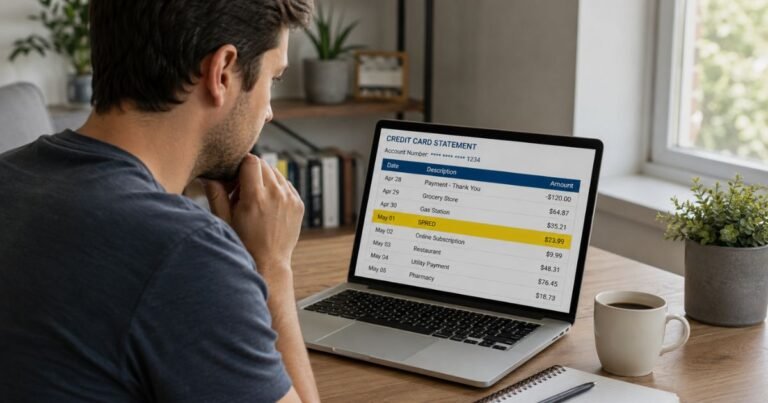
Start by logging into your credit card account online. Look for details like the date, amount, and any merchant info. Compare it to your recent purchases.
Think back to your online shopping.
Did you buy something from a site that might use str padc as part of their name? Maybe it’s from a store like Star Pad Co or similar, but abbreviated.
Contact the merchant if you can figure out who it is. Many statements have a phone number next to the charge.
If nothing rings a bell, call your credit card company. They can provide more details or even connect you to the merchant.
Steps to Dispute an Unknown Charge
If the “ecom str padc charge” seems suspicious, act fast. Credit card companies give you 60 days to dispute charges under federal law.
Here’s a step-by-step guide:
- Gather Info: Note the charge date, amount, and descriptor.
- Contact Your Issuer: Call the number on the back of your card. Explain the issue.
- File a Dispute: They might send a form. Fill it out with details.
- Monitor Your Account: Watch for similar charges while the investigation happens.
- Follow Up: Disputes can take 30-90 days. Stay on top of it.
In most cases, if it’s fraud, you’ll get your money back. Your liability is limited to $50, often zero with quick reporting.
Common Types of E-Commerce Charges
To help you spot patterns, let’s look at similar charges people often question.
This table shows examples:
| Charge Descriptor | Likely Meaning | Example Company |
|---|---|---|
| ECOM PUR | E-commerce purchase | General online buy |
| STRIPE* | Processed by Stripe | Many small sites |
| PADDLE.NET* | Paddle processor | Software subs |
| PAYPAL* | PayPal transaction | eBay or others |
| ECOM STR PADC | E-com pre-auth debit | Recurring fees |
As you can see, ecom str padc fits into the e-commerce category, often tied to pre-authorized debits.
Preventing Future Mystery Charges
No one likes surprises on their statement.
Here are tips to avoid them:
- Use Virtual Cards: Some banks offer one-time use numbers for online buys.
- Set Alerts: Get texts or emails for every transaction over a certain amount.
- Review Statements Monthly: Make it a habit to check line by line.
- Avoid Saving Card Info: Don’t let sites store your details unless you trust them.
- Use Secure Sites: Look for “https” and a lock icon when shopping.
By doing these, you’ll catch issues early.
The Role of Payment Processors in E-Com Charges
Payment processors like Stripe or Paddle make online shopping smooth. They handle the tech side, but their descriptors can be confusing.
For instance, Paddle often shows as PADDLE.NET* followed by the product. If str padc is part of that, it might be a variant.
In e-commerce, charges go through several steps:
- You enter card details.
- The processor verifies.
- Funds transfer.
- It appears on your statement.
Understanding this helps demystify things.
When It Might Be Fraud
Sometimes, it is fraud. Hackers steal card info through data breaches or phishing. If ecom str padc is from a site you never visited, it could be that.
Signs of fraud:
- Multiple small charges.
- From unknown locations.
- After a recent data leak.
If so, freeze your card right away. Your bank can issue a new one.
Legal Protections for Cardholders
Good news: laws protect you. The Fair Credit Billing Act covers disputes. For debit cards, it’s the Electronic Fund Transfer Act. Always report within the time limit.
FAQs On Ecom Str Padc Charge on Credit Card
Q: What does ecom str padc stand for on my credit card?
A: It likely means an e-commerce charge processed through a payment platform, possibly involving a pre-authorized debit. Ecom is e-commerce, str could be store, and padc might refer to padded or pre-auth charge.
Q: Is the ecom str padc charge fraudulent?
A: Not always. It could be a legit purchase or subscription. Check your recent activity. If unrecognized, dispute it with your card issuer.
Q: How do I stop recurring ecom str padc charges?
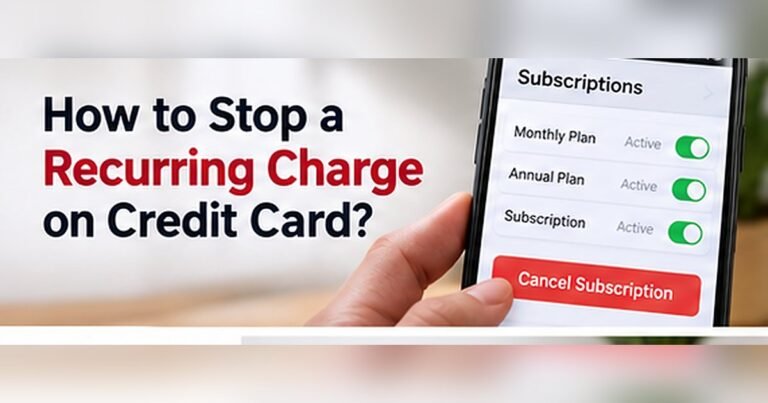
A: Contact the merchant to cancel the subscription. If you can’t identify them, ask your bank to block future charges from that descriptor.
Conclusion
Seeing an ecom str padc charge on credit card can be unsettling, but now you know how to tackle it. Remember to review statements regularly, use alerts, and act quickly on suspects. With these steps, you’ll keep your finances in check.
Disclaimer: This post is for informational purposes only and not financial advice. Consult your bank or a professional for specific situations. Information is based on general knowledge and may vary by case.