
What’s The ActBlue Charge on Credit Card?

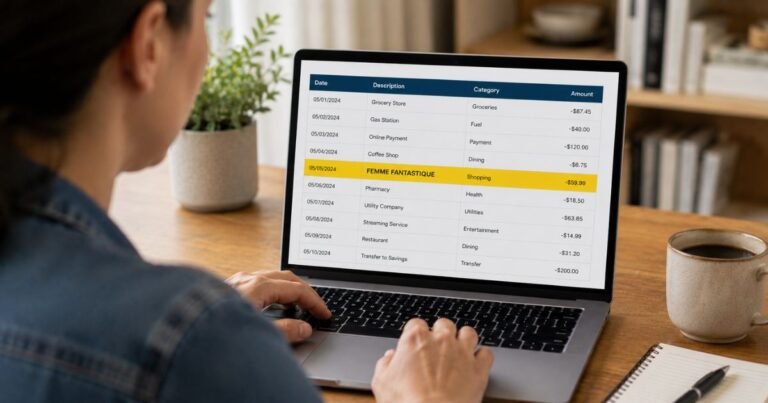
Have you ever glanced at your bank statement and spotted a ActBlue charge on credit card that left you scratching your head? You’re not alone.
Many people notice these entries and wonder what they’re all about. Maybe you donated to a cause a while back, or perhaps it’s something unexpected.
What Exactly Is ActBlue?
ActBlue is a popular online platform designed to help Democratic candidates and progressive organizations raise funds. Think of it as a digital toolbox for political donations.
It started back in 2004 and has grown into a major player in American politics. The company is based in Massachusetts and operates as a nonprofit.
When you donate through ActBlue, your money goes directly to the campaign or group you chose. ActBlue just handles the processing.
It’s secure and user-friendly, which is why so many people use it during election seasons. If you’ve ever clicked a donate button on a candidate’s website, chances are ActBlue was behind it.
One key thing to know is that ActBlue doesn’t charge your card without your action. It’s always tied to a donation you initiated or authorized.
But sometimes, people forget about recurring gifts, which can lead to surprises.
Common Reasons for an ActBlue Charge on Credit Card
Seeing an ActBlue charge might catch you off guard, but there are usually straightforward explanations. Let’s look at the most typical scenarios.
First, it could be a one-time donation. During heated political moments, like elections or social movements, you might have contributed to a cause.
For example, supporting a candidate in a primary or helping with disaster relief through a partnered organization.
Second, recurring donations are a big one. Many users set up monthly contributions without realizing they’ll continue indefinitely.
If you signed up for $10 a month to support environmental groups, that charge will keep appearing until you cancel it.
Third, someone else might have used your card with permission. Maybe a family member donated on your behalf, or you lent your card for a group effort. It’s rare, but it happens.
Lastly, bundled donations. Some campaigns use ActBlue to collect funds from multiple sources, so the charge might represent a combined effort from an event or fundraiser you attended.
If none of these ring a bell, it might be time to dig deeper. But don’t panic yet. Most charges are legitimate.
How to Check and Verify an ActBlue Charge
Verifying a charge is easier than you might think. Start by logging into your ActBlue account if you have one. If not, you can create one using the email associated with the donation.
Once in, head to the contribution history section. There, you’ll see a list of all donations linked to your info. Match the date and amount to your credit card statement.
If you don’t remember signing up, search your email for receipts from ActBlue. They send confirmations right after each transaction.
You can also contact your credit card company.
Ask for details on the charge, like the merchant ID or description. ActBlue charges often appear as “ACTBLUE” followed by a code or the campaign name.
For extra peace of mind, visit ActBlue’s website and use their support tools. They have a search feature for donations by email or card info.
Here’s a quick step-by-step guide:
- Review your credit card statement for the exact amount and date.
- Check your email inbox and spam for ActBlue receipts.
- Log into ActBlue.com and view your donation history.
- Call your bank if needed to confirm the merchant.
Taking these steps usually resolves the mystery in minutes.
What to Do If the Charge Seems Unauthorized
Unauthorized charges are serious, but they’re not common with ActBlue. If you’re sure you didn’t donate, act fast to protect your finances.
First, contact ActBlue support. Their team can investigate and refund if it’s a mistake. Provide the transaction details from your statement.
Next, reach out to your credit card issuer. Report it as potentially fraudulent. They might freeze the card and issue a new one.
If it’s identity theft, file a report with the Federal Trade Commission at identitytheft.gov. This creates an official record.
In rare cases, it could be a processing error. ActBlue handles millions of transactions, so glitches happen, though they’re fixed quickly.
Remember, federal laws protect you from unauthorized charges. You’re only liable for up to $50 if reported promptly.
To prevent future issues, monitor your statements monthly. Set up alerts for transactions over a certain amount.
Tips for Managing Your ActBlue Donations
Staying on top of your donations keeps surprises at bay.
Here are some practical tips:
Use ActBlue’s dashboard to track everything. It shows active recurring donations and lets you pause or cancel them easily.
Set reminders for election seasons when donations spike. A simple calendar note can jog your memory.
Consider using a separate card for online donations. This way, if something goes wrong, your main accounts stay safe.
Review privacy settings. ActBlue lets you control how your info is shared with campaigns.
If you’re donating frequently, budget for it. Treat political giving like any other expense.
For a quick comparison of donation platforms, check this table:
| Platform | Focus | Fees | Ease of Use |
|---|---|---|---|
| ActBlue | Democrats/Progressives | Low processing fees | High |
| WinRed | Republicans | Similar fees | High |
| GoFundMe | General causes | Higher fees | Medium |
This helps if you’re exploring alternatives.
Always double-check before confirming a donation. Read the fine print on recurring options.
Preventing Future Unexpected Charges
Prevention is key. Start by enabling two-factor authentication on your ActBlue account. This adds a layer of security.
Be cautious with public Wi-Fi when donating. Use a VPN for extra protection.
Regularly update your passwords. Strong, unique ones reduce risks.
If you donate via social media links, verify the source. Scammers sometimes mimic legitimate campaigns.
Educate yourself on common scams. Phishing emails pretending to be from ActBlue are out there.
By staying vigilant, you can support causes without worry.
Real-Life Stories from ActBlue Users
I’ve heard from folks who’ve dealt with this. One reader shared how a forgotten monthly donation to a local candidate showed up years later. Canceling it was simple once they logged in.
Another story involved a charge that turned out to be from a spouse’s surprise donation. A quick chat cleared it up.
These anecdotes show most issues are innocent oversights.
FAQs On ActBlue Charge on Credit Card
Q: What does an ActBlue charge look like on my statement?
A: It usually appears as “ACTBLUE” followed by a location like “CAMBRIDGE MA” or a campaign code. The amount and date will match your donation.
Q: Can I get a refund for an ActBlue donation?
A: Yes, but it depends on the campaign’s policy. Contact ActBlue support within a reasonable time, often 60 days, for assistance.
Q: Is ActBlue safe for credit card use?
A: Absolutely. They use industry-standard encryption and comply with PCI standards to protect your data.
Conclusion
Navigating an ActBlue charge on credit card doesn’t have to be stressful. By understanding the platform, verifying transactions, and managing your donations wisely, you can stay in control.
Whether it’s a one-time gift or ongoing support, ActBlue makes giving easier for many. Just remember to keep an eye on your finances.
Disclaimer: This blog is for informational purposes only and not financial or legal advice. Consult professionals for specific situations.