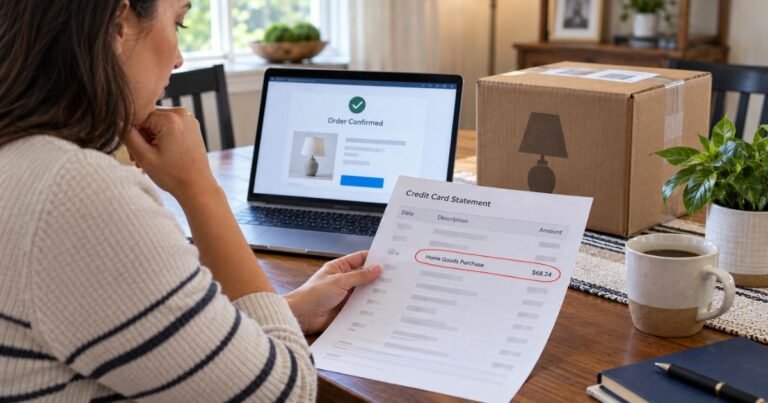
What Is Shipment Protect Charge on Credit Card?


A Shipment Protect charge on your credit card may come from ShipmentProtect, a recurring package-assistance membership offered by Asurifi. The company’s website says the service helps members pursue refunds or replacements for online orders that are lost, stolen, or damaged. It is different from a one-time shipping fee charged by an online store, so check the exact merchant name before deciding which company billed you.
If you did not expect the payment, search for a welcome email, review the membership details, and cancel future billing directly with the provider when a matching account exists. If you never authorized the transaction, contact your card issuer promptly and ask about disputing it.
What Is Shipment Protect Charge on a Credit Card?
ShipmentProtect is a service associated with Asurifi. According to the provider’s own pages, members can ask the service to help address problems with online deliveries by contacting retailers, shipping carriers, and other relevant parties. It presents itself as a support membership rather than the shipping company that physically delivers your package.
The description on a card can differ from the brand’s marketing name. Depending on the processor and issuing bank, you may see a form of “Shipment Protect,” “ShipmentProtect,” or an Asurifi-related descriptor. The business name alone is not enough to verify which account was charged; always confirm using an invoice or billing history.
Is ShipmentProtect a subscription?
Yes. ShipmentProtect describes its offering as a monthly membership. One current sign-up offer reviewed in October 2026 advertised a trial followed by a recurring fee if the trial was not canceled. Promotional terms and prices can change, so you should not assume a single price or trial length applies to everyone.
Review the offer terms that were shown when you enrolled, any confirmation email, and the account’s membership page. If your credit card shows the same amount about a month apart, that is consistent with recurring billing, but it is not conclusive proof of how the enrollment happened.
What does the membership actually provide?
The service describes help with online shipment problems, including situations where a merchant or delivery carrier cannot promptly locate a package. Its website says members can submit a case and receive assistance seeking an appropriate resolution. Specific coverage, limits, exclusions, and any guarantee depend on the provider’s plan documents.
That is different from assuming every missing package will automatically be reimbursed in full. Read the benefits plan carefully before relying on a guarantee. If your purchase was covered by a retailer’s own policy, ask the store about its return, replacement, and delivery-issue process as well.
Why might the charge appear unexpectedly?
- You enrolled in a free or reduced-cost trial that later converted to paid membership.
- A checkout or promotional offer resulted in a separate membership enrollment that you did not remember.
- An authorized household member signed up using the same card.
- A previous cancellation may not have completed, or a final payment posted after you submitted the request.
- The transaction is unauthorized and the descriptor only resembles a legitimate company.
Those are possibilities to investigate, not findings about your account. Do not assume that you were enrolled without consent unless you have checked the actual purchase or enrollment records.
How to verify the charge
- Read the complete descriptor and note the date, posted amount, and any contact information shown.
- Search your email, including promotions and spam, for “ShipmentProtect,” “Asurifi,” “trial,” or “membership.”
- Visit ShipmentProtect’s official account sign-in page and review your account if you recognize the service.
- Check the account’s billing, membership, and cancellation records for a match.
- Ask other authorized card users whether they signed up.
- If you cannot identify a legitimate enrollment, contact the card issuer using the number on the back of your card.
Do not type your complete credit card number into a search result that only claims to be a cancelation portal. Navigate to the provider’s official domain yourself. Keep screenshots of the relevant membership status and any cancellation confirmation.
How to cancel ShipmentProtect
The provider’s current help pages offer an online account and customer support methods. Visit the official ShipmentProtect contact page to find the latest cancellation options. The service describes cancellation through the membership area, and its published materials also mention contacting support.
- Log in to your account, if one exists, and locate the membership or subscription area.
- Follow the available cancellation instructions and read the confirmation.
- Save an email, screenshot, or confirmation number showing the date you canceled.
- Check the next card statement to make sure any scheduled renewal has stopped.
- If charges continue, contact support again and provide the previous cancellation evidence.
Cancellation generally affects future billing. It does not necessarily mean the company must refund a previous billing period. Review your specific agreement and ask for written clarification if the result is unclear.
How to request a refund
Start with the provider and explain the transaction date, amount, and reason you believe a refund is appropriate. If you accidentally kept a membership after a trial or did not understand its terms, say so clearly and ask what the current refund policy allows.
If the company agrees to issue a refund, ask when the credit should appear. Refunds commonly show up as a separate transaction on your card. Save the reply and do not treat a verbal promise as a completed refund until your statement confirms it.
What if you never authorized ShipmentProtect?
Report the transaction to the card issuer promptly as a potentially unauthorized charge. Explain that you cannot match the payment to any membership you approved. The issuer may request more detail, investigate, or issue a replacement card based on the circumstances.
If you recognize the company but dispute how the plan was sold or whether you agreed to recurring terms, preserve any checkout screenshot, confirmation email, and conversation with customer service. U.S. consumer agencies warn that recurring-billing programs must follow applicable laws on disclosures and consent; the facts matter in any individual case.
Our guide to identifying unknown credit card charges explains how to examine a descriptor before disputing it. You can also review steps for blocking an unwanted charge.
Can you simply block the charge with your bank?
You can ask the issuer about protective options, but blocking a transaction does not always cancel the underlying subscription agreement. If you have an actual membership, submit a cancellation directly to the provider as well and save proof of it.
Changing a card number does not guarantee that every authorized recurring payment will stop, because card networks and issuers may have account-updater arrangements. For a charge you believe is fraudulent, follow your bank’s security and dispute instructions rather than relying only on a new card number.
ShipmentProtect versus shipping insurance
Be careful with terminology. An online retailer may add an optional package-protection charge at checkout, while a separate company may sell an ongoing assistance membership. A one-time small charge attached to a specific order should not be assumed to be the same as the recurring ShipmentProtect program.
Check whether the fee appears as a separate card transaction or an item within the retailer’s invoice. If you purchased protection from an online store, read that store’s policy and contact its support team. If the bank shows a recurring ShipmentProtect descriptor, ask Asurifi to verify the membership.
How to prevent unexpected trial renewals
Keep a list of trials, renewal dates, and the email address used to enroll. Save a screenshot showing the renewal price and cancellation terms. When you finish canceling, verify the account says canceled and save written evidence.
Enable real-time card alerts for recurring payments. Review your statement even when the charges are small, since automated subscriptions can continue for multiple billing periods without you noticing.
Official sources
- ShipmentProtect: Membership Overview
- ShipmentProtect: Contact and Cancellation Help
- Asurifi: ShipmentProtect Service
- CFPB: Recurring Billing and Consumer Consent
FAQs About Shipment Protect Credit Card Charges
Q. Is Shipment Protect a delivery-company fee?
A. The ShipmentProtect membership described by Asurifi is a separate assistance service. Confirm whether your own card entry reflects that membership or a retailer’s one-time protection add-on.
Q. Is ShipmentProtect billed every month?
A. The provider markets a recurring monthly membership. Check your account’s actual price, trial details, and billing schedule.
Q. Will canceling stop all future charges?
A. Proper cancellation should stop future eligible renewals. Keep written confirmation and monitor your card statement for any further activity.
Q. What if I cannot find a ShipmentProtect account?
A. Contact the provider through its official website and ask your card issuer to investigate the transaction if no authorized account explains it.
Conclusion
A Shipment Protect charge on a credit card may be a recurring ShipmentProtect membership from Asurifi rather than ordinary shipping postage. Match the charge to your account, cancel unwanted renewals using official support channels, and report any genuinely unauthorized payment to your card issuer.
Disclaimer: This article is general U.S. consumer education, not personal legal or financial advice. Subscription terms, prices, and refund policies can change. Confirm your current membership details and any dispute rights directly with the provider and issuer.