Decoding DB Vertrieb GmbH Charge on Credit Card?

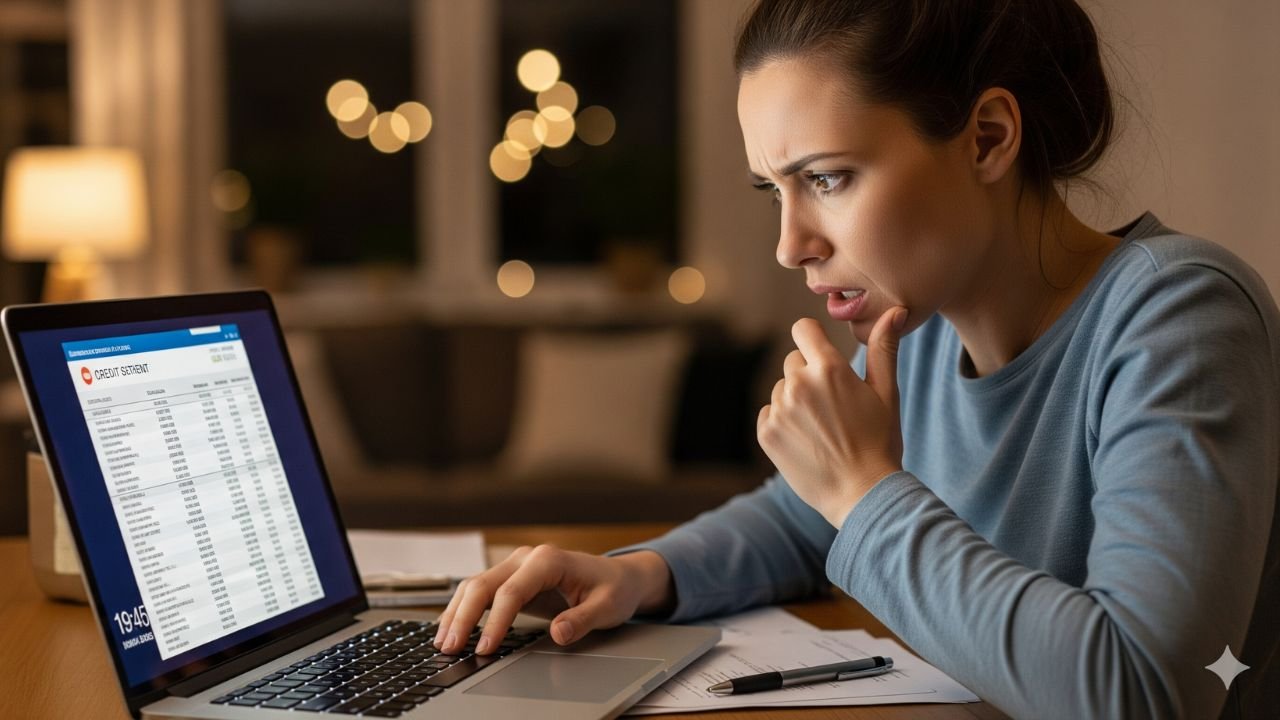
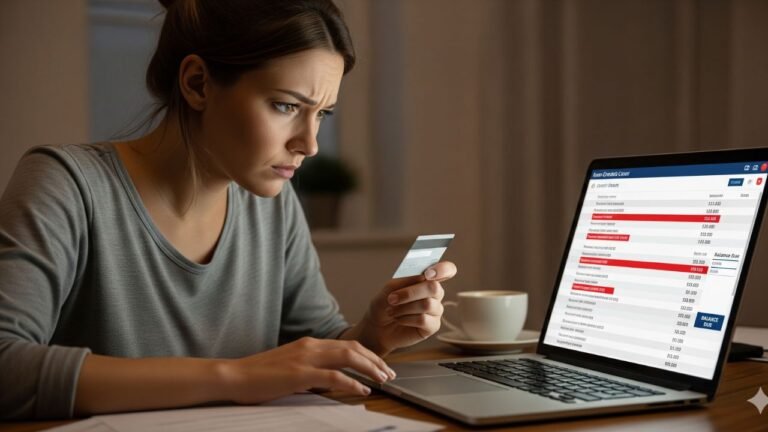
Have you ever glanced at your bank statement and spotted a DB Vertrieb GmbH charge on credit card? It might look unfamiliar, especially if you’re not based in Europe or haven’t traveled there recently. Don’t worry, you’re not alone in scratching your head over this. We’ll break down what this charge means, why it shows up, and what steps to take if it seems suspicious.
What is DB Vertrieb GmbH?
DB Vertrieb GmbH is a key player in the world of public transport sales. As a wholly owned subsidiary of Deutsche Bahn AG, Germany’s national railway company, it handles the distribution and sale of tickets for passenger services.
Think of it as the behind-the-scenes team that makes sure you can buy train tickets easily, whether online, at a station, or through an app.
Established back in 2005, the company focuses on everything from ticket sales to customer support and even loyalty programs. They serve not just Deutsche Bahn but also other transport providers, connecting millions of passengers daily.
With around 5,700 employees across Germany, they manage about 900,000 ticket sales and reservations every day. That’s a lot of trips planned!
Their services include product management for mobility options, revenue accounting, and cash management. They operate through various channels like the internet, mobile apps, ticket machines, travel centers, and even on-board sales.
If you’ve ever booked a train ride in Germany or nearby countries, chances are this company processed your payment.
Why Might You See a DB Vertrieb GmbH Charge on Credit Card?
Seeing this name on your statement usually points to a travel-related purchase. The most common reason is buying train tickets or related services from Deutsche Bahn.
For example, if you reserved a seat on a high-speed ICE train from Berlin to Munich, that charge could appear as DB Vertrieb GmbH.
But it’s not limited to just tickets. You might see fees for:
- Seat reservations or upgrades
- Monthly travel passes or subscriptions
- Cancellation or change fees
- Loyalty program perks, like discounts for frequent riders
These charges can vary in amount. A basic ticket might cost around 50 euros (about $55 USD), while a longer journey or premium service could run higher.
If you’re traveling internationally, foreign transaction fees from your bank could add a small extra amount, making the total look a bit off.
Sometimes, the charge appears if you used a third-party app or website to book, like Omio, which partners with Deutsche Bahn. In those cases, the merchant name still shows as DB Vertrieb GmbH because they’re the ones handling the backend processing.
If you haven’t traveled recently, though? That’s when things get tricky. There have been reports of unauthorized charges under this name, especially back in 2020 and 2021. Scammers sometimes use legitimate merchant names to mask fraud, so it’s smart to double-check.
Is This Charge Legitimate?
Most of the time, yes it’s legit if it matches a purchase you made. Deutsche Bahn is a trusted company, and DB Vertrieb GmbH is their official sales arm. Millions of people use their services without issues.
That said, fraud has been a concern in the past. Around 2021, many users reported unexpected charges ranging from $50 to over $1,000.
These often appeared on Cash App, PayPal, or credit cards, even for people who never visited Germany. In one wave, scammers tried amounts like $112 or $115 multiple times in quick succession.
Signs it might be fraudulent:
- You haven’t bought any train tickets recently.
- The amount doesn’t match any expected purchase.
- Multiple small charges appear close together.
- It’s on an account you rarely use for international transactions.
In those cases, it could stem from a data breach or card skimming. For instance, some users linked it to recent card activations or online shopping. Banks often catch and decline these, but not always.
On the flip side, if you did travel or book through a partner site, it’s probably fine. Always cross-reference with your emails or booking confirmations.
How to Verify the Charge
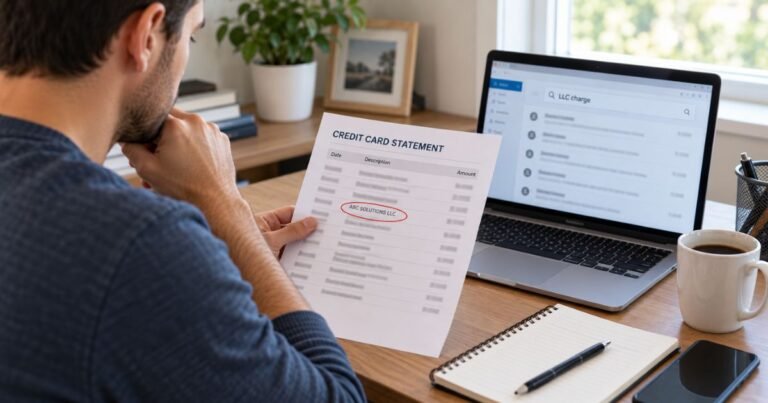
Verifying is straightforward and doesn’t take long. Start by logging into your online banking or credit card app. Look for the transaction details, note the date, amount, and any description.
Next, compare it to your recent activities. Did you book a train? Check your email for a confirmation from Deutsche Bahn or a travel app.
If it still seems odd, contact your bank or card issuer right away. They can provide more info, like the exact merchant location (often Frankfurt, Germany).
You can also reach out to DB Vertrieb GmbH directly through Deutsche Bahn’s customer service. Their website has support options, though responses might take a day or two.
Here’s a quick table to guide you:
| Step | Action | Why It Helps |
|---|---|---|
| 1 | Review statement | Spots mismatches in date or amount |
| 2 | Check emails/receipts | Confirms if it’s a real purchase |
| 3 | Call your bank | Gets transaction details and blocks if needed |
| 4 | Contact DB support | Verifies from their end if legit |
This process usually clears things up quickly.
What to Do If You Don’t Recognize the Charge
If it’s unauthorized, act fast to minimize damage. First, dispute it with your credit card company. Most issuers have a 60-day window from the statement date to file a claim. Provide details like the transaction ID, amount, and why it’s suspicious.
Many banks will issue a temporary credit while investigating. In fraud cases from 2021, users often got refunds after reporting. If it’s on Cash App or PayPal, use their dispute tools, they’ve handled similar issues before.
Also, consider these steps:
- Freeze your card temporarily to stop more charges.
- Request a new card with a different number.
- Monitor your accounts for other unusual activity.
- Report to authorities if it’s part of a larger scam.
Don’t ignore it—even small charges can signal bigger problems.
Preventing Unauthorized Charges in the Future
Prevention is easier than fixing issues after the fact. Start by setting up alerts on your card for international transactions or amounts over a certain threshold, like $50. This way, you get a text or email right away.
Use virtual credit cards for online purchases, they generate temporary numbers that protect your real info. Apps like Privacy or Capital One offer this.
Regularly review your statements, maybe once a week. Tools like Mint or your bank’s app can track expenses automatically.
When traveling or booking online, stick to official sites like bahn.com to avoid third-party risks. And never share card details over unsecured connections.
By staying vigilant, you can enjoy worry-free transactions, whether buying train tickets or anything else.
FAQs On DB Vertrieb GmbH Charge on Credit Card
Q: What does DB Vertrieb GmbH do?
A: It’s the sales and distribution arm of Deutsche Bahn, handling ticket sales for trains and other transport services in Germany. They process payments for millions of passengers daily.
Q: How do I dispute a DB Vertrieb GmbH charge?
A: Contact your bank or card issuer immediately with transaction details. Provide evidence it’s unauthorized, and they’ll investigate—often issuing a refund if fraud is confirmed.
Q: Is it safe to buy tickets from Deutsche Bahn?
A: Yes, it’s generally safe as a reputable company. Just use official channels and monitor your statements for any issues.
Conclusion
A DB Vertrieb GmbH charge on credit card is usually nothing to fret about if it ties back to a train booking. But with past fraud reports, it’s always wise to verify and act quickly on anything suspicious. Staying informed keeps your finances secure.
Disclaimer: This article is for informational purposes only and does not constitute financial or legal advice. Consult your bank or a professional for personalized guidance.