What Is the VIOC Charge on Credit Card?


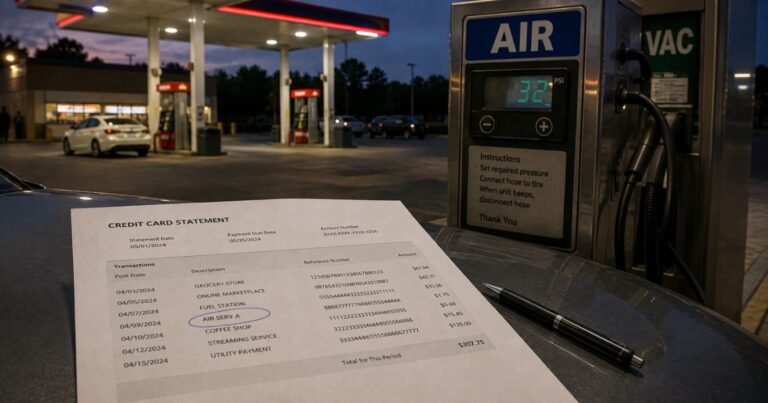
Have you ever glanced at your bank statement and spotted a mysterious VIOC charge on credit card? It’s one of those moments that can make your heart skip a beat, especially if you don’t remember making the purchase.
Understanding VIOC: It’s Not as Mysterious as It Seems
VIOC stands for Valvoline Instant Oil Change, a popular chain of quick-service auto shops across the U.S. They specialize in fast oil changes and other basic car maintenance without the need for an appointment.
If you’ve recently gotten your oil changed or had some routine work done on your vehicle, this could be the source of that charge.
Valvoline has been around for over 150 years, starting as a lubricant company and evolving into a go-to spot for drivers who want convenience. Their Instant Oil Change locations are designed for speed, most services take about 15 minutes.
So, if you pulled into one of these spots for a quick fix, the charge might appear as VIOC, followed by a location code or something like VIOC ID0012 on your statement. It’s their way of keeping things short and sweet in billing systems.
But why does it show up this way? Credit card processors often abbreviate merchant names to fit character limits. That’s why you might see VIOC instead of the full Valvoline Instant Oil Change.
If you’re scratching your head over it, think back to any recent car trips or maintenance stops. It could be that simple.
Common Services That Lead to a VIOC Charge
Valvoline isn’t just about oil changes, they offer a range of services to keep your car running smoothly.
Here’s a quick rundown of what might trigger that VIOC entry on your card:
- Oil Changes: Their bread and butter. Options include conventional, synthetic blend, or full synthetic oil, depending on your car’s needs.
- Transmission Fluid Services: Flushing and replacing fluid to prevent gearbox issues.
- Battery Checks and Replacements: Testing your battery and swapping it out if it’s on its last legs.
- Air Filter Replacements: Swapping out dirty filters to improve engine performance and fuel efficiency.
- Tire Rotations: Balancing your tires for even wear and better handling.
- Coolant Flushes: Keeping your engine from overheating by refreshing the coolant system.
- Wiper Blade Installations: Quick swaps for clearer visibility in bad weather.
These services are handy for busy folks who don’t have time for a full mechanic visit.
Plus, they often include a multi-point inspection, where techs check things like belts, hoses, and fluid levels at no extra cost.
If you authorized any of these, the charge should match what you paid at the shop.
How Much Should You Expect to Pay for VIOC Services?
Prices at Valvoline can vary based on your location, the type of service, and your vehicle’s make and model. But to give you a ballpark, let’s look at some typical costs.
Keep in mind, these are averages, always check with your local shop for exact pricing.
| Service Type | Average Price Range |
|---|---|
| Conventional Oil Change | $40 – $50 |
| Synthetic Blend Oil Change | $60 – $70 |
| Full Synthetic Oil Change | $80 – $100 |
| Transmission Fluid Service | $100 – $150 |
| Battery Replacement | $100 – $200 |
| Tire Rotation | $20 – $40 |
Factors like oil type play a big role. Synthetic oils last longer and perform better in extreme temperatures, so they cost more upfront but can save you money over time.
Also, if your car requires premium filters or additives, that bumps up the total. Pro tip: Always ask for a breakdown before they start work to avoid surprises.
Is This VIOC Charge Legitimate or a Potential Scam?
Most VIOC charges are totally legit, stemming from services you or someone using your card received. But in rare cases, it could be fraud, maybe your card details got skimmed at a gas pump, or there was a billing error.
How can you tell?
First, match the date and amount to your activities. Did you visit a Valvoline around that time? Pull out any receipts or check your email, Valvoline often sends digital invoices.
You can also log into their website to view your service history if you’ve signed up for an account.
If it doesn’t ring a bell, contact Valvoline directly. Their customer service is pretty responsive, and they can look up transactions by card number or date.
The main number is usually on their site, or you can find your local shop via vioc.com. They’ll confirm if the charge ties to a real service.
On the flip side, watch for red flags like multiple small charges (testing the waters for bigger fraud) or charges from unfamiliar locations.
If something feels off, freeze your card through your bank’s app and report it immediately. Better safe than sorry.
What to Do If You Spot an Unauthorized VIOC Charge
Finding an unexpected charge can be stressful, but acting fast limits the damage.
Here’s a step-by-step guide:
- Review Your Statement: Note the exact amount, date, and any merchant details.
- Contact Valvoline: Call the shop listed or their corporate line to verify the transaction.
- Reach Out to Your Bank: Dispute the charge within 60 days for credit cards (under the Fair Credit Billing Act). Provide details and any evidence.
- Monitor for More Issues: Keep an eye on future statements and consider credit monitoring services.
- Update Security: Change your PIN, enable alerts for transactions, and use virtual card numbers for online buys.
Banks are usually good about refunding fraudulent charges, especially if you’re prompt.
In one case I heard about, a driver disputed a VIOC charge that turned out to be from a cloned card, and they got it reversed in a week.
Tips for Avoiding Surprise Charges on Your Credit Card
Staying on top of your finances doesn’t have to be a chore.
Here are some practical ways to keep those mystery charges at bay:
- Set Up Alerts: Most banks let you get texts or emails for every transaction over a certain amount.
- Use Dedicated Cards: Keep one card just for auto services or recurring bills to isolate potential issues.
- Review Regularly: Make it a habit to check your statement weekly, not just monthly.
- Opt for Digital Receipts: Services like Valvoline offer email invoices, making it easier to track.
- Budget for Maintenance: Plan ahead for car care costs so they’re not a shock.
- Shop Smart: Look for coupons on the Valvoline site to save on services—sometimes up to 50% off non-oil items.
These habits can turn potential headaches into minor blips. Remember, knowledge is power when it comes to your money.
FAQs On VIOC Charge on Credit Card
Q: What does VIOC mean on my credit card statement?
A: VIOC is short for Valvoline Instant Oil Change, a chain offering quick auto maintenance like oil changes. It’s a legitimate charge if you’ve used their services recently.
Q: How can I get a copy of my VIOC receipt?
A: You can request it from the shop where you got service, or check your email if you opted for a digital copy. Valvoline also keeps records you can access online or by calling them.
Q: Are VIOC charges refundable if I’m unhappy with the service?
A: It depends on the issue, but Valvoline has a satisfaction guarantee. Contact the location or customer service to discuss refunds or corrections.
Conclusion
Spotting a VIOC charge on credit card is usually nothing to fret over. It’s often just a reminder of that quick oil change you squeezed in last week. By understanding what it means and how to handle it, you can keep your finances in check without the stress.
Disclaimer: This article is for informational purposes only and not financial or legal advice. Always consult your bank or a professional for specific concerns about charges or disputes. Prices and policies can change, so verify with official sources.