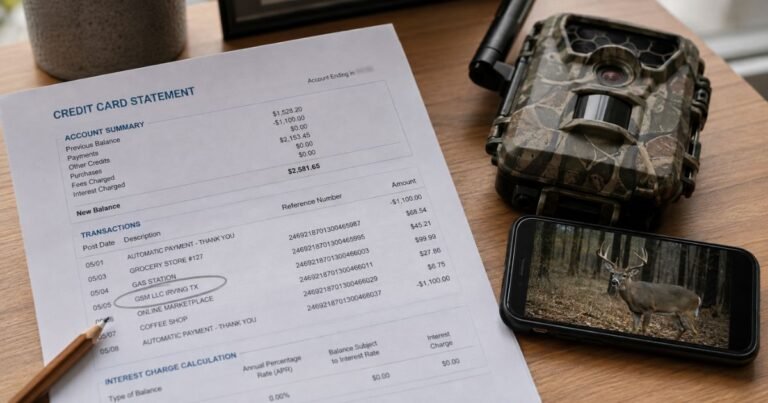
What Is Nano Banana Charge on Credit Card?


Have you ever glanced at your bank statement and spotted something weird like Nano Banana popping up as a charge? You’re not alone. In today’s digital world, where AI tools and online services are everywhere, mysterious charges can send anyone into a panic.
Understanding Nano Banana: The AI Buzzword
First things first, what even is Nano Banana? It sounds like a quirky fruit or a tiny gadget, but it’s actually tied to the world of artificial intelligence.
Nano Banana is the nickname for Google’s latest image generation and editing model, officially known as Gemini 2.5 Flash Image.
Released recently, this tool lets users create and tweak images using simple text prompts. Think of it as a super-smart photo editor that understands your words and turns them into visuals.
Google rolled it out to compete with big names like Photoshop or Canva, and it’s integrated into their Gemini app and AI Studio.
For most users, it’s free to play around with, especially if you’re on the basic plan.
But here’s where things get interesting: developers or heavy users might access it through APIs, which could involve payments.
So, if you’ve been experimenting with AI image tools, a charge might trace back to that.
But wait, not all Nano Banana mentions are from Google. There’s also a cryptocurrency called Nano-Banana (NANOBANANA), a fun, meme-inspired token you can buy on exchanges.
If you’ve dabbled in crypto, a charge could come from purchasing it via a platform that accepts credit cards.
Why Might You See a Nano Banana Charge?
Picture this: You’re scrolling through your bank app, and there it is, a $10 or $20 charge labeled Nano Banana or something similar like nanobanana.ai.
Your heart skips a beat. How did this happen?
One common reason is legitimate use. If you’re a developer using Google’s API for Nano Banana, billing kicks in based on usage.
Google’s billing page explains it clearly: charges are per 1,000 tokens or images generated, often starting low but adding up for pros. Free tiers exist, but crossing into paid features could trigger a charge without you realizing.
On the flip side, crypto enthusiasts might see it from buying NANOBANANA tokens. Platforms like Bitget or Phemex allow credit card purchases, so if you funded your wallet that way, the charge makes sense.
However, the plot thickens with potential scams. Online forums, like Reddit’s StableDiffusion community, are buzzing with stories of shady sites using the Nano Banana name to lure people in.
These sites promise access to the AI tool but end up charging your card for fake credits or services that don’t deliver.
Is Nano Banana a Scam? Spotting the Red Flags
Let’s address the elephant in the room: Yes, some Nano Banana charges scream scam. A site called nanobanana.ai has been called out as fraudulent.
It popped up around the time Google’s model gained hype, claiming to offer premium AI image editing. Users report signing up, entering card details for “credits,” and then getting hit with charges, only to find the service is subpar or nonexistent.
How do you know if it’s a scam? Here are some telltale signs:
- Unsolicited Charges: If you didn’t sign up for anything AI-related, it’s suspicious.
- Poor Website Quality: Legit Google tools don’t need third-party sites like nanobanana.ai. Stick to official channels like the Gemini app.
- Overpromising Results: Scams hype “state-of-the-art” features but deliver blurry or irrelevant images.
- No Clear Billing Info: Real services from Google provide detailed invoices; scams often hide behind vague merchant names.
From user stories online, people have lost small amounts like $10 for “trial credits,” but the real risk is data theft. Scammers might harvest your card info for bigger fraud later.
Always check the domain, anything not from google.com or trusted exchanges is risky.
How to Handle a Suspicious Nano Banana Charge
Don’t freak out if you spot one. Acting fast can save you hassle and money. Start by reviewing your recent activity. Did you try an AI tool or buy crypto? If it rings a bell, log into the service to confirm.
If it’s unfamiliar, contact your credit card issuer right away. Most banks have fraud teams that can freeze the charge and investigate. Under U.S. law, you’re only liable for up to $50 on unauthorized charges if reported promptly.
Here’s a quick step-by-step guide:
- Document Everything: Screenshot the charge and note the date, amount, and merchant name.
- Call Your Bank: Use the number on the back of your card—don’t Google it to avoid phishing.
- Dispute the Charge: File a formal dispute online or via app. Provide details about why it’s fraudulent.
- Monitor Your Accounts: Watch for more weird activity and consider a credit freeze if needed.
- Report to Authorities: If it’s a scam, alert the FTC or your local consumer protection agency.
In many cases, banks reverse these charges quickly, especially for small amounts tied to known scam sites.
Preventing Future Nano Banana Surprises
Prevention is better than cure, right? With AI and crypto booming, shady operators are everywhere.
Stay safe with these tips:
- Use Virtual Cards: Services like Privacy.com let you create one-time cards for online buys.
- Enable Alerts: Set up text notifications for every transaction over $1.
- Research Before Paying: Search for reviews on sites like Reddit or Trustpilot. If it’s too new or hyped without proof, skip it.
- Stick to Official Apps: For Google’s Nano Banana, use the Gemini app—it’s free for basics and secure.
- Avoid Impulse Crypto Buys: Use dedicated wallets instead of direct card purchases to limit exposure.
By being cautious, you can enjoy cool tech without the financial headaches.
Real-Life Examples and Stats
To put this in perspective, let’s look at some data. According to recent reports, AI-related scams have spiked 20% in the last year, with fake tools being a top culprit.
On crypto fronts, meme coins like NANOBANANA attract quick buys but also fraud.
Here’s a simple table comparing legit vs. scam Nano Banana scenarios:
| Aspect | Legit (Google/Crypto) | Scam (e.g., nanobanana.ai) |
|---|---|---|
| Source | Official Google or exchanges like Bitget | Unofficial websites |
| Charge Trigger | API usage or token purchase | Fake credits or subscriptions |
| Refund Ease | Easy via billing support | Hard; often requires bank dispute |
| User Feedback | Positive on app stores | Negative on forums like Reddit |
Seeing patterns like this helps you decide quickly.
FAQs On Nano Banana Charge on Credit Card
Q: What should I do if I see a Nano Banana charge I don’t recognize?
A: Immediately contact your credit card company to dispute it. Gather evidence like your transaction history to support your claim.
Q: Is Nano Banana from Google always free?
A: No, the basic app version is free, but API access for developers involves pay-per-use billing. Check your Google account for details.
Q: Can buying crypto like NANOBANANA lead to charges?
A: Yes, if you use a credit card on exchanges. Always verify the platform’s security before proceeding.
Conclusion
Navigating charges like Nano Banana charge on credit card doesn’t have to be stressful. Whether it’s a legit AI tool from Google, a crypto purchase, or a sneaky scam, knowledge is your best defense. Stay vigilant, use trusted sources, and you’ll keep your finances in check.
Disclaimer: This article is for informational purposes only and not financial or legal advice. Consult a professional for personalized guidance on credit card issues or scams.