What’s That Payhealth Inc Charge on Credit Card?


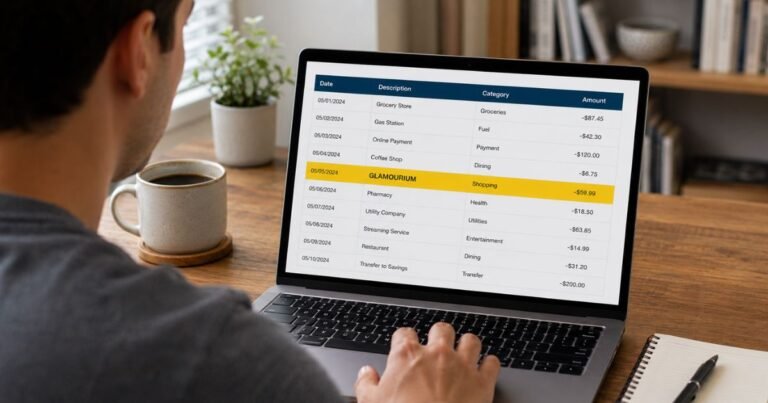
Have you ever scanned your bank statement and spotted a Payhealth Inc charge on credit card? It pops up out of nowhere, maybe for $60 or more, and you’re left scratching your head.
You’re not alone. Many folks stumble upon this and wonder if it’s legit or some sneaky scam.
First Things First: Who Is Payhealth Inc?
Payhealth Inc isn’t a household name, but it’s tied to health and wellness services.
From what I’ve gathered, it’s a company based in Delaware, with an address at 16192 Coastal Highway, Lewes, Sussex, Zip Code 19958. They also have ties to Beacon, New York.
Essentially, Payhealth acts as a billing and payment processor for certain online health programs.
Think of them like the behind-the-scenes handler for subscriptions. They’re linked to companies like YouthGenom and HealthGenom, which offer personalized wellness plans.
These plans focus on things like nutrition, meal tracking, and supplements, especially for women going through menopause.
If you’ve signed up for a diet app or a health coaching service recently, Payhealth might be the one processing those payments.
But here’s the thing, Payhealth doesn’t provide the actual health advice or products.
They’re more like the middleman who makes sure the money flows from your card to the service provider. This setup is common in the online wellness world, where third-party billers handle recurring charges to keep things smooth.
Why Does Payhealth Inc Appear on Your Credit Card Statement?
Seeing “Payhealth Inc” on your statement usually means you’ve got an active subscription or one-time purchase tied to their network.
Let’s unpack the common reasons:
- Subscription to Wellness Programs: If you tried out a free trial for a meal planning app or a menopause support plan from YouthGenom, it might have auto-renewed. These services often start with a quiz or a “sneak peek” of your personalized plan, then charge for full access.
- Recurring Payments for Supplements or Apps: Payhealth handles billing for digital content like diet guides or mobile apps. Charges could be monthly, quarterly, or yearly, depending on the plan. For example, a basic subscription might cost around $66 per month, but some users report weekly charges if the terms aren’t clear.
- Third-Party Processing: Your payment might not say “YouthGenom” directly. Instead, it shows up as Payhealth Inc because they’re the processor. This is similar to how some charges appear under a merchant’s billing name rather than the brand you know.
Sometimes, these charges sneak in because of how subscriptions work. You might have clicked “agree” during a signup without realizing the fine print.
Automatic renewals are a big culprit, plans renew unless you cancel 48 hours before the end date.
To give you a quick overview, here’s a small table of typical charge amounts and what they might mean, based on user reports and company policies:
| Charge Amount | Possible Reason | Frequency |
|---|---|---|
| $60-$70 | Standard monthly subscription | Monthly |
| $200+ | Quarterly plan or bundled services | Quarterly |
| $10-$20 | One-time add-ons like supplements | One-time |
Keep in mind, these are estimates. Always check your statement for exact details.
Is Payhealth Inc a Scam? Let’s Talk Straight
Now, the big question: Is this a fraud? From what I’ve seen, Payhealth Inc seems legitimate.
They’re registered and handle payments for real companies like YouthGenom, which has positive reviews on sites like Trustpilot (averaging 4.5 out of 5 from hundreds of users).
People praise the wellness plans for boosting energy, improving sleep, and offering tasty, easy-to-follow recipes.
That said, not everything’s rosy. Some folks complain about unexpected charges.
For instance, users on review sites mention being billed weekly instead of monthly, or struggling to cancel subscriptions.
One common gripe is that canceling through the app doesn’t always work, you might need to go through their support desk or your account settings.
Is it a full-blown scam? Probably not in the classic sense, like fake websites stealing your info.
But it could feel scammy if you didn’t intend to subscribe long-term. Think of it as aggressive billing practices rather than outright fraud.
If you’ve never heard of YouthGenom or similar services, double-check your recent online activities. Maybe you filled out a health quiz or downloaded an app during a late-night scroll.
If it smells fishy, here’s what to watch for:
- Charges without any service received.
- Difficulty contacting support.
- Threats of debt collection for unpaid “subscriptions” you don’t recall.
In rare cases, identity theft could be at play, but that’s less likely if the charge matches a service you vaguely remember.
Steps to Handle a Payhealth Inc Charge You Don’t Recognize
Don’t panic if this charge catches you off guard.
Here’s a simple guide to sort it out:
- Review Your Recent Activity: Check your email for confirmation messages from YouthGenom or HealthGenom. Look back at your browser history for any wellness sites you visited.
- Contact Payhealth or the Linked Company: Reach out to their support. For YouthGenom, use the help desk at helpdesk.healthgenom.com. Ask for details on the charge and request a refund if it’s unauthorized.
- Cancel the Subscription: If it’s recurring, log into your account on the website or app. Subscriptions via Apple or Google Play need canceling through those stores—deleting the app won’t stop the bills.
- Dispute with Your Credit Card Company: If you can’t resolve it directly, file a dispute. Most banks let you do this online or via phone. Provide evidence like emails or screenshots.
- Monitor Your Statements: Keep an eye out for future charges. Consider setting up alerts for transactions over a certain amount.
Following these steps can save you money and stress. Many users report getting refunds after polite but firm communication.
Tips for Avoiding Surprise Charges in the Future
We all love free trials, but they can bite back.
Here are some pro tips to stay ahead:
- Read the Fine Print: Before entering your card details, scan for auto-renewal terms. Look for words like “recurring” or “subscription.”
- Use Virtual Cards: Some banks offer one-time-use card numbers for online purchases. This limits damage if things go wrong.
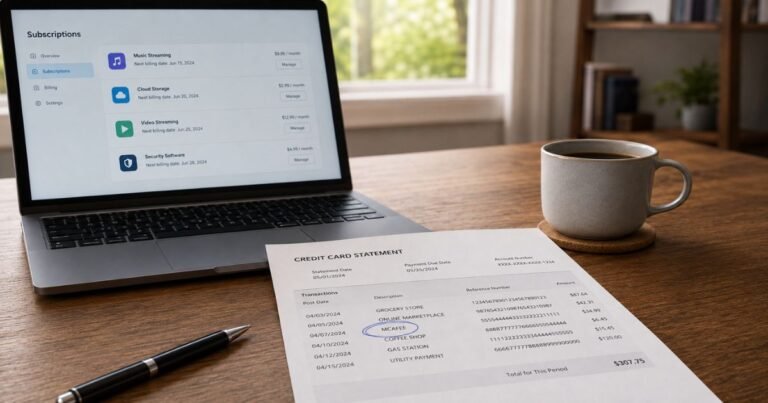
- Track Subscriptions: Apps like Truebill or your bank’s tools can list all your recurring payments in one place.
- Set Calendar Reminders: For trials, note the end date and cancel a day early.
- Opt for Non-Credit Options: If possible, use PayPal or other services that make disputes easier.
By staying vigilant, you can enjoy online services without the headache of mystery charges.
FAQs On Payhealth Inc Charge on Credit Card
Q: What should I do if I see a Payhealth Inc charge but don’t remember signing up?
A: First, verify it by checking your emails and app downloads. If it’s unfamiliar, contact their support immediately and dispute it with your card issuer. Most banks have a 60-day window for disputes.
Q: How can I cancel a subscription tied to Payhealth Inc?
A: Log into the associated account, like YouthGenom’s website, and manage subscriptions there. For app store purchases, use Apple’s or Google’s settings. Email support if needed—they’re available 24/7.
Q: Is Payhealth Inc connected to any specific health services?
A: Yes, mainly to YouthGenom and HealthGenom, which provide menopause-focused wellness plans, diet advice, and supplements. The charge appears under Payhealth as the processor.
Conclusion
There you have it, a full rundown on that puzzling Payhealth Inc charge on credit card. It’s usually tied to legit wellness subscriptions, but always double-check if it doesn’t add up.
By understanding how these billings work, you can take control of your finances and avoid surprises. Remember, staying informed is your best defense in the world of online payments.
Disclaimer: This post is for informational purposes only and isn’t financial or legal advice. Consult your bank or a professional if you’re dealing with disputed charges. All info is based on publicly available sources as of August 2025.